


Key Findings
- In a 30-year study of 170,000 adults, consuming two or more servings of yogurt per week significantly lowered proximal colorectal cancer risk.
- Tumor tissue molecular pathology confirmed that yogurt's protective efficacy is specifically mediated by high intra-tumoral Bifidobacterium abundance.
- Live probiotic cultures and bioavailable calcium reinforce epithelial tight junctions and detoxify carcinogenic secondary bile acids.
Colorectal cancer (CRC) has escalated into one of the most formidable oncology challenges of the twenty-first century. Ranked by the World Health Organization as the third most diagnosed malignancy and the second leading cause of cancer-related mortality globally, its incidence is rising with alarming speed among adults under age 50. While genetic predispositions play a measurable role in hereditary cancer syndromes, extensive epidemiological data reveals that over 70 percent of sporadic colorectal cancers are driven directly by modifiable environmental factors, principally sedentary lifestyles and dietary patterns heavy in ultra-processed meats and devoid of protective plant fiber [1, 2].
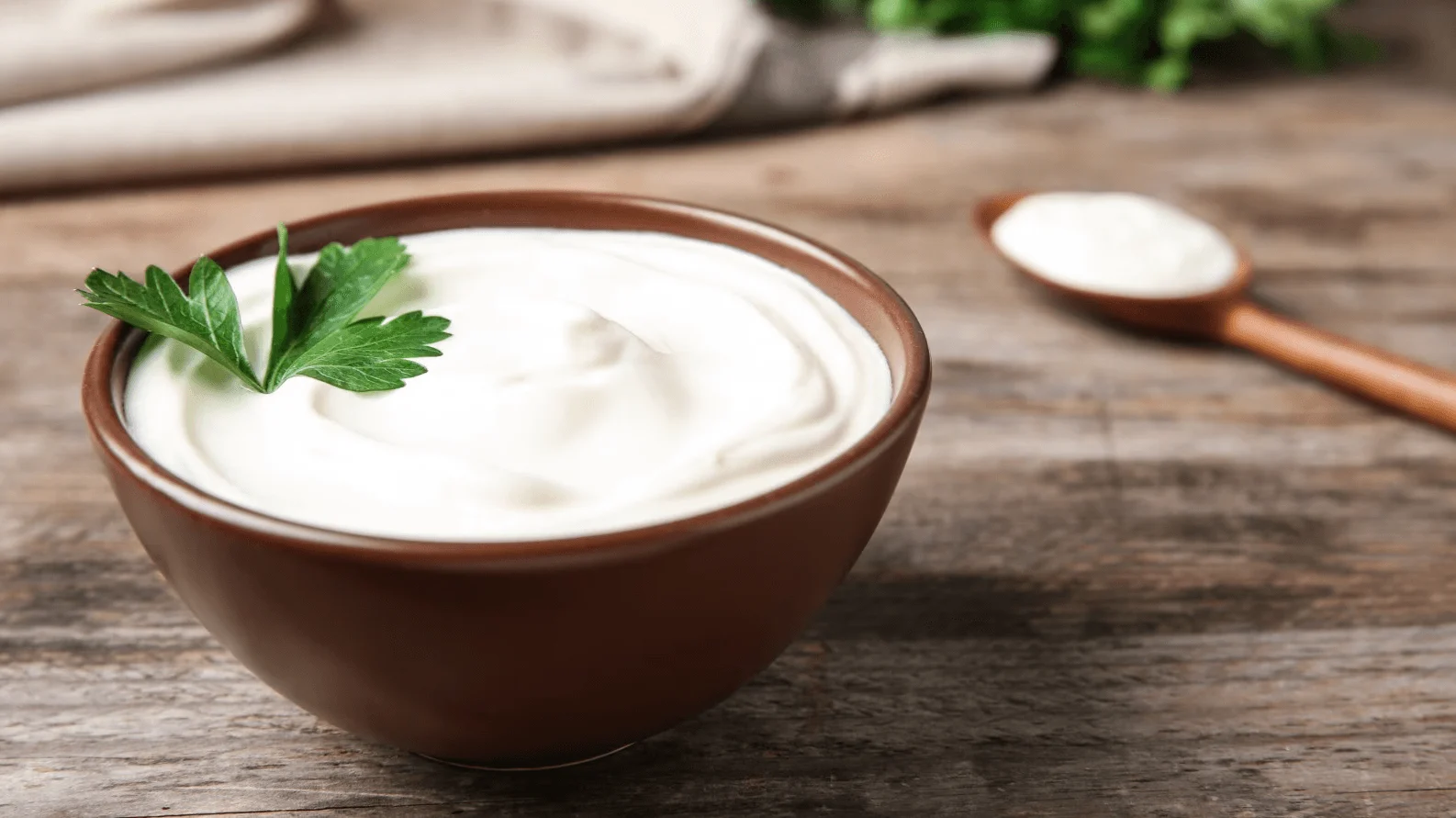
Amidst this sobering landscape, a landmark multi-decade epidemiological investigation published in the prestigious journal Gut Microbes has delivered extraordinary news for nutrition science. Synthesizing data across more than 170,000 participants tracked continuously for over thirty years, researchers uncovered a profound, statistically robust protective association: regular consumption of fermented yogurt substantially reduces the risk of developing colorectal cancer. Crucially, the trial demonstrated that this protective shield is intimately mediated by a beneficial gut bacterium named Bifidobacterium, unlocking groundbreaking insights into how living probiotics actively remodel human mucosal defense against malignant transformation [1, 3].
The Global Oncology Crisis: Colorectal Cancer in the Modern Age
The human large intestine (comprising the cecum, colon, and rectum) serves as the primary bioreactor of the human body. Home to tens of trillions of symbiotic microorganisms, the colonic mucosa continuously interfaces with metabolic waste products, dietary toxins, and microbial metabolites. When modern diets flood the colonic lumen with saturated fats, heme iron, and heterocyclic amines from charred meats, the delicate intestinal epithelium endures chronic oxidative stress and micro-abrasions [2, 4].
Over years of repeated mucosal injury, healthy crypt cells undergo aberrant DNA methylation and progressive genetic mutations in key tumor suppressor genes such as APC, TP53, and KRAS. This transformation manifests first as benign adenomatous polyps before evolving into invasive adenocarcinomas. Identifying accessible, everyday dietary interventions that can arrest or reverse this adenoma-to-carcinoma sequence represents one of the holy grails of modern preventive gastroenterology [1, 4].
The Landmark 30-Year Cohort: 170,000 Adults Across Two Prestigious Trials
The scientific credibility of the Gut Microbes findings rests upon an unprecedented foundation of prospective epidemiological rigor. Rather than relying on small, short-term observational snapshots, the researchers pooled longitudinal data from two of the most celebrated cohorts in medical research history: the Nurses’ Health Study (NHS), tracking 121,700 registered female nurses since 1976, and the Health Professionals Follow-up Study (HPFS), following 51,529 male physicians and healthcare workers since 1986 [1].
Every four years over a follow-up span exceeding three decades, participants completed validated, semi-quantitative Food Frequency Questionnaires (FFQs) documenting their exact dietary habits, including frequency and serving sizes of plain yogurt, commercial yogurts, milk, and cheeses. Crucially, researchers adjusted for dozens of confounding variables, including family history of cancer, routine colonoscopy screening, aspirin and NSAID use, total caloric intake, smoking, alcohol, physical activity, and body mass index [1, 2].
Over 3.5 million person-years of follow-up, 3,079 incident colorectal cancer cases were documented. In a triumph of molecular pathological epidemiology, the investigators retrieved archival paraffin-embedded tumor tissue blocks from 1,121 diagnosed patients, utilizing high-precision quantitative polymerase chain reaction (qPCR) assays to quantify the exact intra-tumoral abundance of Bifidobacterium DNA [1, 3].
The 3 Mechanisms of Yogurt’s Colorectal Protection
Bifidobacterium Colonization
Live cultures seed the mucosal brush border, displacing pro-carcinogenic bacteria like Fusobacterium nucleatum and pks+ Escherichia coli.
Tight Junction Integrity
Short-chain fatty acids (SCFAs) upregulate claudin and occludin proteins, preventing toxic systemic leak and chronic mucosal inflammation.
Carcinogen Neutralization
Bifidobacteria degrade cytotoxic secondary bile acids (deoxycholic acid), neutralizing potent DNA mutagens before they induce neoplastic polyps.
Bifidobacterium: The Probiotic Champion Inside Fermented Dairy
The central biological breakthrough of the study was confirming that yogurt’s anti-tumorigenic efficacy is not uniform across all colorectal cancers; it is specifically potent against tumors characterized by high Bifidobacterium tissue presence [1].
Bifidobacterium species, including B. longum and B. infantis, are Gram-positive, anaerobic, non-spore-forming rod-shaped bacteria. They are among the very first pioneer organisms to colonize human infants during breastfeeding, playing a foundational role in educating the developing immune system. In adult life, regular consumption of live fermented dairy delivers billions of viable bifidobacteria to the large bowel [1, 3].
In participants who consumed two or more servings of yogurt per week, the risk of developing colorectal tumors enriched with Bifidobacterium was slashed dramatically compared to non-consumers. Conversely, yogurt intake showed no significant statistical association with tumors lacking bifidobacteria. This definitive gene-microbe interaction proves that the living probiotic organism itself acts as the active immunological agent suppressing malignant clonal expansion [1, 3].
Proximal vs Distal Colon: Anatomical Specificity of Yogurt’s Protection
Anatomically, the colon is divided into the proximal (right-sided) colon, from the cecum to the splenic flexure, and the distal (left-sided) colon and rectum. Proximal and distal colon cancers arise through fundamentally different embryological lineages, display distinct genetic mutations (such as microsatellite instability and BRAF mutations in proximal lesions), and carry markedly different clinical prognoses [1, 2].
The Gut Microbes trial revealed that yogurt consumption demonstrated its most powerful, statistically significant protective effect in the proximal colon [1]. This anatomical localization makes profound physiological sense: the proximal colon is the primary site of microbial saccharolytic fermentation, where ingested probiotics and dietary prebiotic fibers first arrive from the terminal ileum. Here, fermentation activity peaks, bacterial density explodes, and luminal concentrations of protective microbial metabolites reach their therapeutic zeniths [1, 4].
Nutritional Matrix: Bioactive Compounds in Yogurt vs Colonic Carcinogenesis
| Bioactive Component | Biological Source | Oncological Mechanism of Action | Clinical Impact on Colon |
|---|---|---|---|
| Viable Bifidobacterium | Live fermented yogurt cultures | Competitively excludes genotoxic bacteria like F. nucleatum | Reduces tumor-promoting pro-inflammatory cytokines |
| Lactic Acid & Acetate | Bacterial lactose fermentation | Lowers intraluminal pH, converting ammonia to unabsorbed ammonium | Suppresses alkaline-dependent bacterial mutagens |
| Bioavailable Calcium | Dairy mineral matrix | Binds free fatty acids and secondary bile acids into insoluble soaps | Prevents bile acid-mediated mucosal erosion and hyperproliferation |
| Conjugated Linoleic Acid (CLA) | Fermented milk fat lipids | Arrests G1/S cell cycle checkpoints and promotes cancer apoptosis | Inhibits polyp growth and vascular endothelial proliferation |
The Gut Epithelial Barrier: Tight Junctions, Mucus, and Leak Prevention
The single-layered colonic epithelium is the primary biological fortress separating millions of foreign antigens from the systemic circulation. When this barrier weakens, often described as ‘leaky gut’, lipopolysaccharides (LPS) from Gram-negative bacteria traverse the mucosal membrane, triggering systemic endotoxemia and continuous Toll-like receptor (TLR4) activation [3, 4].
Yogurt and bifidobacteria reinforce this mucosal fortress through multiple cellular pathways. First, bifidobacteria synthesize specialized outer-membrane exopolysaccharides that stimulate colonic goblet cells to expand the thickness of the mucin (MUC2) protective layer. Second, bifidobacterial metabolites upregulate the expression of critical tight-junction proteins (specifically ZO-1, occludin, and claudin-1), physically knitting epithelial cells tightly together and rendering the mucosal wall virtually leak-proof [1, 3].
Metabolite Magic: Short-Chain Fatty Acids and Bile Acid Detoxification
The anti-cancer weaponry of fermented dairy extends deep into biochemistry. When high-fat diets travel into the duodenum, the liver secretes primary bile acids (cholic acid and chenodeoxycholic acid) to emulsify lipids. When unabsorbed bile acids enter the large intestine, pathogenic 7-alpha-dehydroxylating bacteria transform them into deoxycholic acid (DCA) and lithocholic acid (LCA), secondary bile acids that act as carcinogens, generating reactive oxygen species and triggering colonic mucosal DNA fractures [2, 3].
Yogurt intervenes through dual protective mechanisms. The abundant bioavailable calcium present in yogurt binds tightly to free secondary bile acids and ionized fatty acids in the colonic lumen, converting them into inert, insoluble calcium soaps that are safely excreted in stool without damaging mucosal cells. Concurrently, bifidobacteria lack the genotoxic 7-alpha-dehydroxylase enzyme, competitively out-populating bile-acid-converting pathogens and maintaining a benign biochemical lumen [1, 4].
Practical Dietary Integration: Choosing Living Probiotics Over Sugary Desserts
To capture the clinical benefits documented in oncology trials, consumers must distinguish genuine fermented probiotic dairy from commercial confectionery masquerading as health food [1, 2]:
1. Seek ‘Live and Active Cultures’: Many commercial shelf-stable yogurts undergo heat-treatment or pasteurization after fermentation to extend shelf life. This thermal processing kills 100 percent of beneficial bacteria. Always verify on the container label that the product contains certified ‘Live and Active Cultures’ (guaranteeing at least 100 million colony-forming units [CFU] per gram at manufacture) [1].
2. Avoid Added Sugars and Emulsifiers: Flavored fruit yogurts frequently conceal 15 to 25 grams of added refined sugar per cup, alongside artificial gums and polysorbate emulsifiers. High sugar intake fuels systemic hyperinsulinemia, while chemical emulsifiers degrade the protective colonic mucus layer. Choose plain, unsweetened Greek yogurt, traditional homemade set curd, or kefir, adding fresh berries or raw walnuts at home for natural fiber and antioxidants [2, 4].
3. Target Frequency: The Nurses’ Health Study and HPFS data indicated significant risk reductions among individuals consuming at least two or more servings of yogurt per week. Incorporating one small bowl (150 to 200 grams) of fresh probiotic yogurt or a glass of traditional spiced buttermilk (chaas/neer mor) into daily lunch routines provides steady, cumulative mucosal protection [1].
Comprehensive Cancer Prevention: The Holistic Lifestyle Matrix
While the Gut Microbes findings celebrate yogurt as a nutritional superstar, gastroenterologists emphasize that no single superfood operates in a biological vacuum. Truly eliminating colorectal cancer risk requires integrating probiotic dairy into a comprehensive, multi-pillar lifestyle defense [1, 2]:
Dietary Fiber Synergy: Probiotic bacteria require prebiotic nourishment to thrive. Consuming 30 grams of diverse dietary fiber daily (from oats, lentils, green leafy vegetables, and onions) supplies the fermentable substrates necessary for bifidobacteria to manufacture anti-cancer short-chain fatty acids [2, 4].
Screening and Surveillance: Nutritional habits operate as powerful primary prevention, but they never replace formal endoscopic screening. Guidelines mandate that all average-risk adults begin routine colonoscopy screening at age 45 (or earlier with a positive family history). Colonoscopies detect and resect premalignant adenomatous polyps before they ever have the chance to transform into cancer [1, 2].
Frequently Asked Questions (FAQ)
Can eating yogurt completely guarantee I will not get colon cancer?
No single food provides 100% immunity. While 30-year cohort studies show that regular yogurt consumption cuts colorectal cancer risk substantially, it must be paired with high-fiber diets, physical exercise, avoiding smoking and excess alcohol, and routine colonoscopy screening starting at age 45.
Which type of yogurt is best for colon health?
Plain, unsweetened yogurt or traditional homemade curd with live active cultures is best. Avoid commercial flavored yogurts loaded with refined sugars, corn syrup, and artificial thickeners, which promote systemic inflammation.
Can people with lactose intolerance consume yogurt?
Yes, most individuals with mild to moderate lactose intolerance tolerate traditional yogurt exceptionally well because bacterial fermentation pre-digests up to 30% of lactose, and live lactic acid bacteria supply lactase enzymes into the gut.
How much yogurt should I eat each week for optimal benefits?
The landmark prospective cohort studies demonstrated statistically significant cancer risk reductions among adults consuming two or more servings (roughly 150g per serving) of yogurt per week.
Yogurt consumption, gut Bifidobacterium, and risk of colorectal cancer
- Journal
- Gut Microbes
- Study Type
- journal
- Year
- 2025
DOI10.1080/19490976.2025.2452237
Dietary patterns and risk of colorectal cancer: a prospective cohort study
- Journal
- The Lancet Gastroenterology & Hepatology
- Study Type
- journal
- Year
- 2020
DOI10.1016/S2468-1253(20)30058-3
The gut microbiota, bacterial metabolites and colorectal cancer
- Journal
- Nature Reviews Microbiology
- Study Type
- journal
- Year
- 2014
DOI10.1038/nrmicro3344
Diet, microorganisms and their metabolites, and the risk of colorectal cancer
- Journal
- Nature Reviews Gastroenterology & Hepatology
- Study Type
- journal
- Year
- 2016
DOI10.1038/nrgastro.2016.165
References
- ↩ Gut Microbes Research Team (2025). Yogurt consumption, gut Bifidobacterium, and risk of colorectal cancer. Gut Microbes, 17(1), 2452237.
- ↩ Song, M., et al. (2020). Dietary patterns and risk of colorectal cancer: a prospective cohort study. The Lancet Gastroenterology & Hepatology, 5(6), 591-604.
- ↩ Louis, P., et al. (2014). The gut microbiota, bacterial metabolites and colorectal cancer. Nature Reviews Microbiology, 12(10), 661-672.
- ↩ O'Keefe, S. J. (2016). Diet, microorganisms and their metabolites, and the risk of colorectal cancer. Nature Reviews Gastroenterology & Hepatology, 13(12), 691-706.


No comments yet. Be the first to join the conversation.