


Key Findings
- Industrial calcium carbide reacts with ambient moisture to generate acetylene gas, mimicking natural ethylene ripening.
- Industrial-grade carbide contains hazardous trace impurities of arsenic hydride (arsine) and phosphorus hydride (phosphine).
- Carbide treatment triggers superficial chlorophyll breakdown on the skin while leaving the inner pulp unripened, sour, and firm.
- The 10-second water bucket test reliably identifies carbide mangoes, which float due to lower specific gravity and internal air voids.
- FSSAI strictly bans calcium carbide, mandating temperature-controlled ethylene gas ripening chambers as the only legal commercial standard.
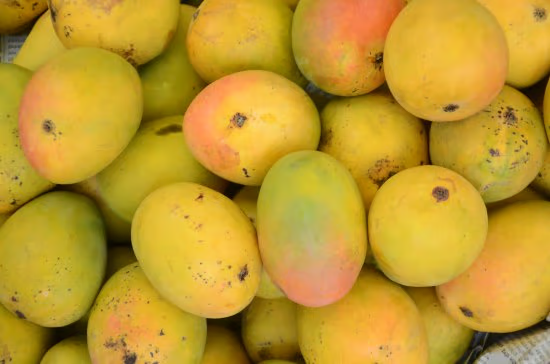
As summer temperatures peak across tropical and subtropical regions, fruit markets, roadside stalls, and neighborhood grocery stores overflow with glistening pyramids of golden mangoes. Celebrated worldwide as the king of fruits, varieties such as Alphonso, Banganapalli, Kesar, Dasheri, and Imampasand captivate millions with their luscious sweetness, velvety nectar, and intoxicating perfume. However, beneath the dazzling, blemish-free golden peel of early-season produce often lurks a clandestine public health hazard: illegal chemical ripening with industrial calcium carbide [1].
Driven by commercial greed to capture lucrative early-market price premiums, middlemen and wholesalers frequently harvest immature, hard green fruit weeks ahead of biological maturity. Rather than allowing nature to execute its deliberate biochemical transformation, distributors pack these green mangoes into airtight wooden crates lined with small paper pouches of calcium carbide, colloquially known as ripening stones or masala. Within 24 to 36 hours, toxic chemical vapors force the fruit to undergo a superficial cosmetic metamorphosis, creating an illusion of delectable ripeness that masks severe underlying toxicity [2].
The Biochemistry of Ripening: Natural Ethylene vs Industrial Acetylene
To understand the profound dangers of artificial ripening, one must first appreciate the delicate botanical symphony of natural fruit maturation. Mango is a climacteric fruit, meaning its respiratory rate and metabolic activity surge sharply during ripening. On the tree, maturing fruit cells synthesize an endogenous gaseous phytohormone called ethylene (C2H4). Ethylene binds to intracellular membrane receptors, coordinating a sweeping cascade of gene expressions and enzymatic activations [2].
Under natural ethylene signaling, pectinase and polygalacturonase enzymes systematically dissolve the insoluble protopectin holding plant cell walls together, transforming hard, crunchy tissue into a succulent, buttery pulp. Simultaneously, chlorophyllase dismantles green chlorophyll pigments, unveiling rich yellow, orange, and red beta-carotenes, while amylase hydrolyzes complex insoluble starches into simple, sweet fructose, glucose, and sucrose. In addition, the synthesis of volatile organic esters, notably beta-myrcene and terpinolene, generates the quintessential tropical bouquet characteristic of authentic mangoes [1].
Conversely, artificial ripening relies on industrial calcium carbide (CaC2), a corrosive chemical manufactured primarily for oxyacetylene welding torches and steelmaking furnaces. When calcium carbide comes into contact with the natural moisture transpired by fruit inside shipping crates, it initiates an aggressive exothermic hydrolysis reaction:
CaC2 + 2 H2O → C2H2 (Acetylene gas) + Ca(OH)2 (Calcium hydroxide) + Thermal Energy
The resulting acetylene gas (C2H2) shares an unsaturated carbon-carbon triple bond structurally reminiscent of ethylene’s double bond, allowing it to bind superficially to plant ethylene receptors. This chemical trigger accelerates chlorophyll degradation, rapidly bleaching green skins into an alluring, uniform golden yellow. However, acetylene is substantially less biologically potent than true ethylene; it cannot permeate the dense core of the fruit to catalyze uniform starch-to-sugar conversion or activate pectinase enzymes, leaving the inner pulp unripened, hard, and sour [2].
Toxicological Hazards: Arsenic and Phosphorus Contamination
If the physiological deception of false ripening were the only consequence, consumers would simply face disappointing flavor. Unfortunately, the public health reality is far more menacing. Calcium carbide used in commercial agriculture is never laboratory-grade; it is cheap, unrefined industrial rock containing severe heavy metal contaminants, most notably arsenic hydride (arsine, AsH3) and phosphorus hydride (phosphine, PH3) [3].
As moisture drives acetylene release, these volatile toxic hydrides vaporize concurrently, diffusing through the delicate stomatal pores and lenticels of the mango skin directly into the edible fruit flesh. Consuming carbide-treated fruit exposes humans to multi-system toxic trauma [4]:
Acute Gastrointestinal Corrosion: Calcium hydroxide residue combined with absorbed arsenic compounds causes immediate chemical irritation of the oral cavity and digestive tract. Symptoms include intense burning sensations on the tongue and throat, aphthous mouth ulcers, erosive gastritis, severe abdominal colic, uncontrollable nausea, hematemesis (bloody vomiting), and persistent watery diarrhea [1].
Central Nervous System Impairment: Acetylene and arsine gas act as systemic neurotoxins. Upon entering the bloodstream, they interfere with cellular cytochrome oxidase enzymes, inducing systemic tissue hypoxia. Affected individuals frequently present with debilitating throbbing headaches, dizziness, sleep disturbances, peripheral numbness, memory confusion, and, in severe pediatric cases, cerebral edema and convulsions [4].
Chronic Hepatorenal Pathology: Chronic low-dose dietary ingestion of arsenic and phosphorus hydrides over successive summer seasons inflicts cumulative oxidative damage on detoxifying organs. Long-term studies associate regular exposure with toxic hepatitis, jaundice, chronic kidney dysfunction, and elevated lifetime risks of gastrointestinal and hematological malignancies [3].
Natural vs Carbide Ripened Mangoes: Direct Comparison
The physiological divergence between organic ripening and chemical forcing produces stark, unmistakable sensory contrasts [1]:
Naturally Tree-Ripened Mangoes
Exhibits organic mottling with natural green and red blushes; rich tropical floral aroma (terpinolene and beta-myrcene); soft, uniform elasticity upon gentle pressure; deep golden pulp from skin to seed; and naturally sinks in water due to high sugar density.
Artificially Carbide-Ripened Mangoes
Unnaturally uniform, fluorescent lemon-yellow skin; total absence of sweet aroma or presence of faint garlic/kerosene chemical odor; patchy texture with rock-hard spots; pale, sour, fibrous pulp near the stone; and floats in water due to low specific gravity.
Five Reliable Home Tests to Detect Chemically Ripened Mangoes
Consumers can verify the authenticity and safety of purchased mangoes using five straightforward, science-backed diagnostic methods in their home kitchens [1, 2]:
1. The Water Bucket Density Test: This remains the most definitive, objective physical test available to consumers. Fill a bucket with clean room-temperature tap water and gently submerge the whole mangoes. Naturally ripened fruit is packed with dissolved sugars, bioavailable moisture, and dense, fully hydrated pulp, giving it a specific gravity higher than water and causing it to sink straight to the bottom. In contrast, carbide-ripened fruit was harvested unripe and dry, retaining microscopic air voids and dense unconverted starches; these mangoes invariably bob and float at the surface [1].
2. The Visual Color Symmetry Inspection: Nature rarely produces monochromatic perfection. Tree-ripened fruit displays natural color gradients with subtle greenish patches near the stem shoulder and warm golden-red tones across the cheeks. If an entire batch of mangoes displays an identical, glaring lemon-yellow skin without a single millimeter of natural variation, industrial carbide exposure is virtually guaranteed [3].
3. The Palpation and Tactile Firmness Test: Gently cradle the mango and press across different quadrants with your thumbs. An authentic ripe mango yields with uniform, supple elasticity throughout its circumference. A carbide-treated mango exhibits deceptive firmness: parts of the skin feel soft while adjacent sections remain as rock-hard as unripe timber, reflecting uneven surface gas penetration.
4. Cross-Sectional Pulp and Seed Examination: Slice the mango through the longitudinal plane. In a genuine ripe fruit, the flesh exhibits a homogeneous, rich saffron or golden-yellow coloration from the peel right down to the fibrous husk of the seed. In a carbide-ripened specimen, the outer centimeter beneath the peel may look superficially yellow, while the deep flesh surrounding the stone remains pale white, greenish, hard, and devoid of running juice [2].
5. The Gustatory and Olfactory Burning Test: Before swallowing, place a small slice of pulp on the tip of your tongue. Naturally ripened mango coats the palate with mellow, balanced sweetness and luscious fruit acids. Carbide mango produces a distinctly sharp, unpleasant prickling sensation, metallic astringency, or burning irritation on the tongue and back of the throat, accompanied by faint chemical notes reminiscent of sulfur or garlic [4].
Safe Ripening Standards: Modern Ethylene Gas Chambers
Recognizing the urgent need for safe commercial alternatives, agricultural authorities and food safety bodies have established regulated protocols for modern post-harvest ripening. Under Food Safety and Standards Authority of India (FSSAI) guidelines, industrial calcium carbide is strictly prohibited under Section 44A of the Food Safety and Standards Act, punishable by imprisonment and heavy financial penalties [1].
In its place, progressive agricultural cooperatives and certified packaging facilities utilize hermetically sealed Ethylene Ripening Chambers. In these climate-controlled facilities, mature green mangoes are exposed to low concentrations of pure, non-toxic catalytic ethylene gas (typically 100 parts per million) maintained at 18 to 22 degrees Celsius and 90 to 95 percent relative humidity for 24 to 48 hours. Because pure ethylene matches the plant’s own biological hormone and contains zero arsenic or phosphine residues, chamber-ripened mangoes are 100 percent safe, wholesome, and biochemically indistinguishable from tree-ripened fruit [2].
Safe Kitchen Handling and Consumer Rights
If you purchase mangoes of uncertain provenance, implement robust kitchen hygiene before serving to your household. Submerge whole uncut fruit in a large basin of lukewarm water containing one teaspoon of food-grade baking soda (sodium bicarbonate) or dilute white vinegar for 15 minutes, followed by vigorous scrubbing with a soft vegetable brush under cold running water. This protocol effectively dislodges surface chemical residues, alkaline calcium hydroxide deposits, and agricultural dust. Always discard the thick peel entirely; never scrape pulp clinging directly to the inner skin with your teeth [1].
To safely ripen green mangoes at home without commercial aids, place them inside a breathable cardboard box lined with clean straw, hay, or brown paper bags. Nestling one or two ripe bananas or apples alongside the mangoes will naturally trap endogenous ethylene emitted by the companion fruit, gently and safely ripening the mangoes within three to four days. Consumers witnessing overt calcium carbide usage in wholesale markets should promptly report violations to local food safety commissionerates through statutory consumer grievance portals to eliminate toxic practices across regional food supply chains [3].
Frequently Asked Questions
Frequently Asked Questions
Can washing carbide mangoes in salt water eliminate all chemical toxins?
Washing with salt water or dilute baking soda removes superficial alkaline deposits and surface dust from the peel. However, it cannot extract arsenic, phosphine, or acetylene molecules that have already migrated across the porous skin into the deep fruit pulp. Avoid consuming fruit confirmed to be treated with carbide.
Why do naturally ripened mangoes sink in water while carbide mangoes float?
During genuine ripening, complex starches convert completely into dense, soluble fructose and glucose sugars, raising the specific gravity of the pulp well above that of water (1.0 g/cm3), causing the fruit to sink. Artificially forced mangoes remain unconverted and dry, with lower specific gravity that allows them to float.
Is the use of calcium carbide completely banned in India?
Yes. Under Regulation 2.3.5 of the Food Safety and Standards (Prohibition and Restrictions on Sales) Regulations, 2011, the use of calcium carbide (acetylene gas) for artificial fruit ripening is strictly prohibited across India, carrying severe criminal penalties including imprisonment and heavy fines.
What is the safest way to ripen mature green mangoes at home?
The safest home method is natural enclosing: place unripe mangoes in a brown paper bag or cardboard box layered with dry paddy straw or unprinted paper, alongside a ripe banana. The banana releases natural, harmless ethylene gas, inducing gentle, sweet ripening in 3 to 4 days.
Scientific References
Calcium Carbide-Induced Ripening: Unveiling the Bitter Truth Behind Sweet Fruits
- Journal
- Food Chemistry
- Study Type
- Review
- Year
- 2024
DOI10.1016/j.foodchem.2024.140097
Ethylene vs Acetylene: Comparative Biochemical Pathways in Climacteric Fruit Ripening
- Journal
- Journal of Experimental Botany
- Study Type
- Research Article
- Year
- 2020
DOI10.1093/jxb/erw389
Neurotoxic and Systemic Effects of Chronic Dietary Exposure to Acetylene-Ripened Fruits
- Journal
- Toxicology Letters
- Study Type
- Research Article
- Year
- 2019
DOI10.1016/j.toxlet.2019.08.012
Arsenic and Phosphorus Hydride Contamination in Calcium Carbide Ripened Mangoes
- Journal
- Food Chemistry
- Study Type
- Research Article
- Year
- 2018
DOI10.1016/j.foodchem.2018.06.042
References
- ↩ Calcium Carbide-Induced Ripening: Unveiling the Bitter Truth Behind Sweet Fruits
- ↩ Ethylene vs Acetylene: Comparative Biochemical Pathways in Climacteric Fruit Ripening
- ↩ Neurotoxic and Systemic Effects of Chronic Dietary Exposure to Acetylene-Ripened Fruits
- ↩ Arsenic and Phosphorus Hydride Contamination in Calcium Carbide Ripened Mangoes


No comments yet. Be the first to join the conversation.