

Key Findings
- Whole-wheat roti provides more dietary fiber and protein, resulting in a moderate Glycemic Index (55-62) compared to polished white rice (GI 70-82).
- Clinical trials demonstrate that consuming non-starchy vegetables and protein 10 to 15 minutes before carbohydrates reduces postprandial glucose spikes by up to 37 percent.
- Cooling cooked rice overnight triggers retrogradation, converting rapidly digestible starch into resistant starch that blunts insulin surges.
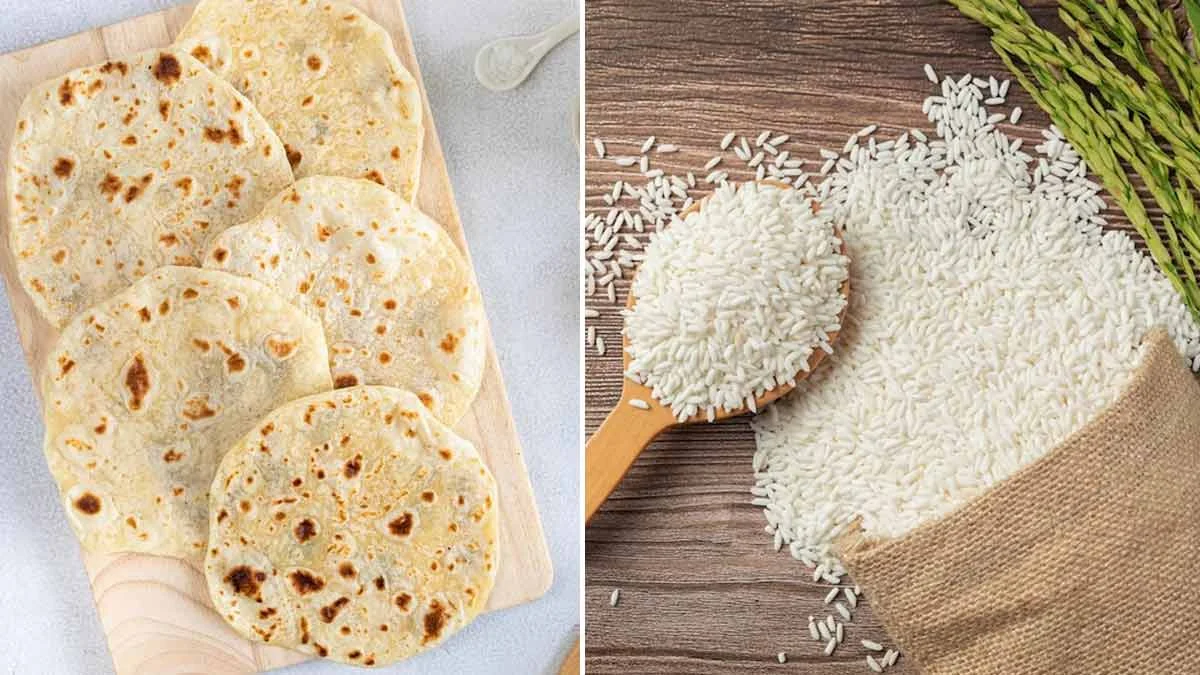
In clinics, consulting rooms, and domestic dining tables across South Asia, one piece of dietary dogma is handed down almost universally upon a diagnosis of type 2 diabetes: “Stop eating white rice immediately and switch to wheat rotis.” For millions of individuals raised on traditional rice-based gastronomy, this transition feels like a punitive medical sentence. Yet despite dutifully replacing rice plates with stacks of chapatis, thousands of diabetic patients find their glycated hemoglobin (HbA1c) stubbornly elevated during follow-up laboratory checkups [1] [2].
This persistent clinical paradox arises from a widespread failure to understand carbohydrate biochemistry. Decades of endocrinological and nutritional science reveal that replacing rice with roti is not an automatic therapeutic cure. While whole wheat and polished grains possess distinct structural and physiological properties, managing metabolic health requires evaluating the total carbohydrate load, glycemic index (GI), food matrix integrity, and the critical physiological sequence in which nutrients are ingested [1] [3].
Nutritional Anatomy: Rice vs Wheat Chapati
To evaluate these two staple grains objectively, nutritional biochemists look beyond cultural reputations and examine standardized macronutrient profiles per equivalent cooked serving. A typical serving consisting of one cup of cooked white rice (approximately 150 grams) delivers roughly 45 grams of total carbohydrates, 4 grams of protein, less than 1 gram of dietary fiber, and minimal fat, totaling approximately 205 kilocalories [2] [3].
In comparison, two medium-sized homemade whole-wheat rotis (approximately 70 to 80 grams dry flour without added ghee) provide roughly 36 to 40 grams of carbohydrates, 6 to 7 grams of plant protein, 4 to 5 grams of insoluble and soluble dietary fiber, and approximately 180 to 200 kilocalories. While whole wheat demonstrates a clear advantage in fiber and micronutrient density, containing higher quantities of magnesium, zinc, and B vitamins, the absolute difference in total carbohydrate mass between the two meals is surprisingly modest [2] [4].
Glycemic Index vs Glycemic Load: The Clinical Difference
The rate at which carbohydrates hydrolyze into bloodstream glucose is categorized by the Glycemic Index (GI), which ranks foods on a scale from 0 to 100 relative to pure glucose. Standard polished white rice (such as short-grain raw rice or jasmine rice) exhibits a high GI ranging from 72 to 82. Its stripped outer bran allows salivary and pancreatic alpha-amylase enzymes to rapidly dismantle amylopectin starch molecules, prompting sharp spikes in blood glucose within 30 minutes of ingestion [2] [3].
Traditional stone-ground whole-wheat roti (Atta) possesses a moderate GI ranging between 55 and 62. The presence of intact wheat bran and germ fragments creates physical friction that slows digestive enzyme access. However, modern commercial wheat flours are often highly refined and pulverized into ultra-fine powders, destroying the protective fibrous matrix and driving their glycemic index closer to that of white rice [3] [4].
| Nutritional Metric | Polished White Rice (1 Cup Cooked) | Whole-Wheat Roti (2 Medium Chapatis) | Metabolic Impact on Diabetes |
|---|---|---|---|
| Total Carbohydrates | 44 to 46 grams | 36 to 40 grams | Comparable total glycemic substrate; portion control remains the ultimate determinant. |
| Dietary Fiber | 0.5 to 1.0 grams | 4.5 to 5.5 grams | Wheat fiber delays gastric emptying and promotes gut satiety hormone release. |
| Glycemic Index (GI) | High (72 to 82) | Moderate (55 to 62) | Roti triggers a gentler, more sustained glucose release curve than polished rice. |
| Digestion Velocity | Rapid enzymatic breakdown in upper duodenum. | Gradual release through proximal jejunum. | White rice prompts earlier insulin secretion peaks, taxing exhausted pancreatic beta cells. |
| Satiety Index | Lower satiety; triggers hunger within 2 to 3 hours. | Higher satiety; sustains fullness for 4 to 5 hours. | Roti reduces tendency for late-afternoon snacking and secondary caloric overload. |
The Portion Distortion Trap: Why Roti Often Fails
The primary clinical reason diabetic patients fail to improve their glycemic parameters after switching to wheat roti is the psychological phenomenon known as portion distortion. When patients believe a food is intrinsically healthy or medicinal, they subconsciously expand their serving sizes [2] [5].
A patient who previously consumed one measured cup of rice might consume four or five large chapatis at dinner under the false belief that wheat is completely sugar-free. Four large rotis deliver over 80 grams of carbohydrates, nearly double the carbohydrate load of the single rice portion they abandoned. Furthermore, commercial restaurants and households frequently smear rotis with excess ghee or hydrogenated oils, adding hundreds of surplus calories that accelerate visceral hepatic fat accumulation and worsen peripheral insulin resistance [1] [5].
Resistant Starch: How Temperature Alters Rice Chemistry
One of the most fascinating scientific breakthroughs in nutritional biochemistry is starch retrogradation. Starch consists of two polysaccharides: linear amylose and branched amylopectin. When rice is cooked in water at boiling temperatures, the starch granules gelatinize, swelling and absorbing moisture into an easily digestible form [3].
However, when freshly cooked rice is subsequently cooled to 4 degrees Celsius for 12 to 24 hours, the amylose chains recrystallize and realign into dense, insoluble helical structures known as type-3 resistant starch (RS3). Even if the cooled rice is gently reheated prior to consumption, these retrograded starch crystals resist hydrolysis by human amylase enzymes in the stomach and small intestine [3] [4].
Instead of being absorbed into the bloodstream as glucose, resistant starch passes intact into the large colon. There, commensal microbiome bacteria ferment it into beneficial short-chain fatty acids (SCFAs), notably butyrate and propionate. Clinical evaluations show that consuming retrograded cooled rice reduces the postprandial glycemic surge by up to 30 percent while improving second-meal insulin sensitivity, explaining why traditional fermented cold rice (Pazhaiya Sadam) produced fewer metabolic spikes in ancestral populations [1] [3].
The Food Order Method: Sequencing Carbohydrates for Glucose Control
Rather than obsessing solely over whether to eat rice or roti, groundbreaking clinical research published in Diabetes Care revealed that the physical sequence in which foods are eaten exerts a transformative impact on postprandial glucose dynamics [1].
In controlled clinical trials, diabetic patients were provided identical meals containing vegetables, protein, and carbohydrates. When participants ingested carbohydrates (rice or roti) first, blood glucose rose sharply to dramatic peaks. However, when the exact same patients consumed the fiber-rich vegetables first, followed immediately by protein (dal, paneer, fish, or chicken), and completed the meal with the starchy carbohydrates 10 to 15 minutes later, their postprandial glucose spike plummeted by 37 percent, and insulin requirements fell by over 40 percent [1] [4].
The physiological mechanism behind this phenomenon is elegant:
- Viscous Intestinal Barrier: Soluble vegetable fibers form a physical gel layer across the brush border of the small intestine, physically impeding the diffusion of glucose molecules across mucosal enterocytes [1].
- Delayed Gastric Emptying: Ingested proteins and healthy fats stimulate the neuroendocrine release of cholecystokinin (CCK) and glucagon-like peptide-1 (GLP-1), relaxing gastric motilin and slowing the transit of stomach contents into the duodenum.
- Attenuated Insulin Demand: Because glucose enters systemic circulation as a gentle, gradual stream rather than a torrential tidal wave, exhausted pancreatic beta cells are spared from excessive secretory stress [1] [5].
Alternative Grains: Brown Rice, Millets, and Multigrain Blends
For individuals seeking superior metabolic resilience, dietitians recommend diversifying staple grain choices beyond conventional polished white rice and commercial wheat flour [4] [5]:
- Heirloom Brown and Red Rice: Varieties such as Kaattuyanam, Karuppu Kavuni (black rice), and Mappillai Samba retain intact anthocyanin-rich bran layers that provide potent antioxidants alongside a low-to-moderate glycemic index [3].
- Small Millets: Foxtail millet (Thinai), Little millet (Samai), and Barnyard millet (Kuthiraivali) contain two to three times more dietary fiber than wheat, alongside low glycemic loads that support prolonged metabolic stability.
- Legume-Enriched Multigrain Atta: Blending whole-wheat flour with 25 to 30 percent roasted chickpea flour (Besan), defatted soy flour, or psyllium husk significantly elevates protein and soluble fiber content, depressing the overall glycemic index below 50 [2] [5].
Parboiling Science: Why Traditional Parboiled Rice Behaves Differently
In traditional South Indian culinary history, raw white rice (Pacharisi) was reserved primarily for festive occasions, while everyday nourishment relied upon parboiled rice (Puzhungal Arisi). Parboiling is a sophisticated hydrothermal processing technique conducted while the paddy grain remains encased in its fibrous protective husk [2] [3].
During the three-stage parboiling process, soaking, steam-heating, and gradual shade drying, water-soluble micronutrients (particularly thiamine, riboflavin, niacin, and magnesium) migrate inward from the aleurone layer deep into the starchy endosperm. Concurrently, the intense steam treatment gelatinizes native starch granules, causing them to re-aggregate into retrograded crystalline matrices. As a result, parboiled rice possesses a significantly lower glycemic index (typically 58 to 64) and digests far more slowly than raw polished white rice, offering substantial metabolic protection for individuals monitoring diabetes [3] [4].
Continuous Glucose Monitoring (CGM) and Glycemic Variability
Contemporary diabetes management increasingly relies on Continuous Glucose Monitoring (CGM) sensors rather than intermittent finger-prick tests. CGM telemetry reveals that total carbohydrate mass is only half the metabolic equation; Glycemic Variability (GV), the frequency and magnitude of blood sugar oscillations throughout the day, is an independent trigger of vascular oxidative stress and endothelial dysfunction [1] [4].
CGM traces illustrate that consuming polished white rice unaccompanied by vegetables produces acute glycemic spikes followed by steep reactive hypoglycemic troughs, driving mid-afternoon fatigue and intense carbohydrate cravings. Conversely, pairing whole-wheat roti or parboiled rice with dense soluble fiber and legumes flattens the ambulatory glucose curve, extending time-in-range (TIR) between 70 and 140 mg/dL and shielding microvascular capillaries from oxidative damage [1] [2] [5].
Conclusion: A Balanced, Evidence-Based Strategy
The perennial debate between rice and roti is fundamentally rooted in a false nutritional dichotomy. White rice is not an absolute poison, nor is wheat roti an uncompromised miracle cure. Both staples provide substantial carbohydrate substrate that directly influences glycemic control [1] [2].
The true scientific prescription for managing type 2 diabetes lies in holistic dietary engineering: strictly regulating portion volume, choosing unrefined whole-grain or heirloom cultivars, leveraging resistant starch techniques, and above all, adhering to the food sequencing method by eating fiber and protein before carbohydrates. By replacing rigid food guilt with evidence-based metabolic strategies, individuals living with diabetes can achieve sustained glycemic equilibrium without abandoning the cultural comfort of their traditional kitchen [1] [3] [5].
Frequently Asked Questions
Frequently Asked Questions
Will switching completely from rice to roti cure or control my diabetes?
Not necessarily. While wheat roti digests slightly slower due to higher dietary fiber, two standard rotis contain approximately 35 to 40 grams of carbohydrates, identical to a small bowl of cooked rice. Overeating rotis causes identical hyperglycemia.
Why is brown rice better for blood sugar management than white rice?
Brown rice retains the fiber-rich bran and nutrient-dense germ layers. This preserved fibrous matrix delays enzymatic amylase digestion in the small intestine, blunting rapid postprandial glucose absorption.
What is the food order method and how does it blunt glucose spikes?
Eating fibrous vegetables and protein before starches forms a viscous gel coating along the duodenal lining. This delays gastric emptying and slows carbohydrate absorption, lowering insulin requirements by over 30 percent.
How does cooling and reheating rice change its starch chemistry?
Chilling cooked rice at 4 degrees Celsius for 12 to 24 hours alters amylose crystalline structures through starch retrogradation. This creates type-3 resistant starch (RS3) that resists small intestinal digestion and acts as prebiotic fiber.
References and Scientific Sources
Food Order Has a Significant Impact on Postprandial Glucose and Insulin Levels
- Journal
- Diabetes Care
- Study Type
- Research
- Year
- 2015
DOI10.2337/dc15-0429
Dietary glycemic index, glycemic load, insulin index and risk of metabolic disorders
- Journal
- Clinical Nutrition ESPEN
- Study Type
- Research
- Year
- 2021
DOI10.1016/j.clnesp.2021.02.008
International tables of glycemic index and glycemic load values
- Journal
- The American Journal of Clinical Nutrition
- Study Type
- Review
- Year
- 2021
DOI10.1093/ajcn/nqaa332
Carbohydrate quality, dietary fiber, and glycemic response in type 2 diabetes
- Journal
- Nature Reviews Endocrinology
- Study Type
- Review
- Year
- 2022
DOI10.1038/s41574-022-00685-2
Dietary carbohydrate restriction and carbohydrate quality in diabetes management
- Journal
- The Lancet Diabetes & Endocrinology
- Study Type
- Review
- Year
- 2021
DOI10.1016/S2213-8587(21)00243-7
References
- ↩ Diabetes Care: Food Order Has a Significant Impact on Postprandial Glucose and Insulin Levels
- ↩ Clinical Nutrition ESPEN: Dietary glycemic index, glycemic load, insulin index and risk of metabolic disorders
- ↩ The American Journal of Clinical Nutrition: International tables of glycemic index and glycemic load values
- ↩ Nature Reviews Endocrinology: Carbohydrate quality, dietary fiber, and glycemic response in type 2 diabetes
- ↩ The Lancet Diabetes & Endocrinology: Dietary carbohydrate restriction and carbohydrate quality in diabetes management


No comments yet. Be the first to join the conversation.