
Key Findings
- Everyday culinary vegetables provide specialized phytochemicals, including isothiocyanates, charantin, and anthocyanins, which activate cellular antioxidant pathways.
- Viscous soluble fibers found in okra and cluster beans form luminal intestinal gels that slow starch hydrolysis and reduce postprandial glucose spikes.
- Cooking methods significantly influence nutrient bioavailability: light steaming enhances lycopene and lutein absorption while preserving fragile glucosinolates.
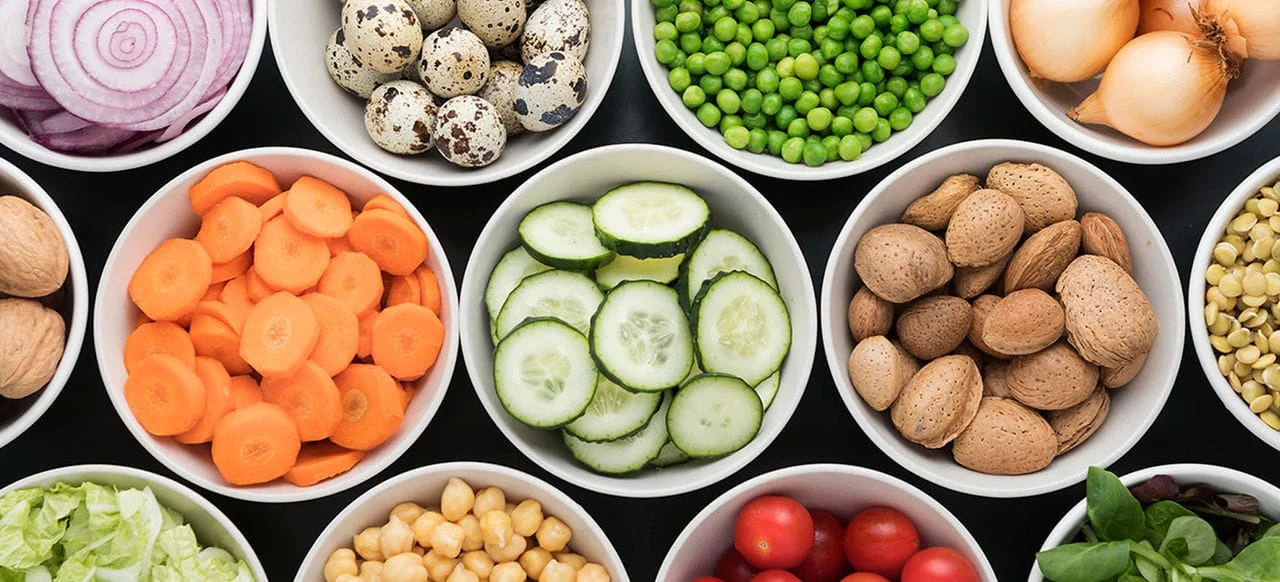
From childhood, most people are taught the simple dietary adage to ‘eat your vegetables’. Yet, when viewed through the modern lens of molecular biochemistry and nutritional medicine, vegetables are vastly more than simple sources of roughage or low-calorie plate fillers. Every vegetable species represents a sophisticated biochemical laboratory, synthesizing a complex armada of secondary metabolites, polyphenols, organosulfur compounds, and unique polysaccharide fibers evolved to protect the plant from environmental stressors, UV radiation, and microbial pathogens [1] [2].
When consumed by humans, these plant defense compounds interact with our cellular receptors, enzymatic cascades, and intestinal microbiota in a process known as xenohormesis. Rather than acting merely as passive nutrients, everyday culinary vegetables actively modulate human genetic expression, activating nuclear factor erythroid 2-related factor 2 (Nrf2) antioxidant pathways, suppressing inflammatory nuclear factor kappa B (NF-kB), and strengthening the intestinal epithelial barrier. This clinical guide explores the deep nutritional mechanisms behind common kitchen vegetables and how their distinct bioactive profiles safeguard long-term human health [1] [4].
The Phytochemical Pharmacy: Why Plant Foods Protect Human Biology
To understand the profound health impacts of everyday vegetables, one must look beyond standard macronutrient tallies of carbohydrates, fats, and proteins. While these caloric metrics are essential for energetic accounting, it is the non-caloric micronutrient and phytochemical matrix that governs long-term metabolic resilience. Modern epidemiological analyses, such as the landmark Global Burden of Disease and EAT-Lancet reports, consistently demonstrate that low vegetable consumption is one of the leading global dietary risk factors for cardiovascular disease, type 2 diabetes, and colorectal cancer [1].
Vegetables deliver a dense concentration of essential vitamins (especially folate, vitamin K1, and provitamin A carotenoids) and minerals (potassium, magnesium, and calcium) packaged in a cellular matrix that enhances physiological bioavailability while delivering minimal glycemic load. Furthermore, the thousands of unique bioactive phytochemicals present in plants act synergistically. Unlike isolated, synthetic vitamin supplements, whole vegetables deliver antioxidants alongside the specific cofactors, flavonoids, and fibers required for optimal absorption and metabolic clearance [1] [4].
Moringa (Drumstick): Isothiocyanates and Bioavailable Micronutrients
Among tropical vegetables, few botanicals match the nutrient density of Moringa oleifera, commonly known in South Asian cuisine as drumstick (murungaikkai) and moringa greens (murungai keerai). Historically revered in traditional Ayurvedic and Siddha medicine for millennia, modern pharmacognosy has validated moringa as a veritable nutritional powerhouse [2].
Moringa pods and leaves contain extraordinary levels of bioavailable minerals, delivering exceptional concentrations of non-heme iron, calcium, magnesium, and potassium. More critically, moringa is enriched with a unique class of stable isothiocyanates, particularly moringin (glucomoringin isothiocyanate). When moringa tissues are masticated or chopped, the endogenous enzyme myrosinase converts glucosinolates into bioactive moringin [2].
Clinical and laboratory investigations show that moringin acts as a potent activator of the Nrf2-ARE signaling axis, upregulating cellular production of endogenous antioxidant enzymes including superoxide dismutase (SOD), catalase, and glutathione S-transferase. Concurrently, moringa polyphenols, notably quercetin, chlorogenic acid, and rutin, scavenge reactive oxygen species, protect vascular endothelial cells from lipid peroxidation, and inhibit carbohydrate-digesting enzymes in the gut to moderate postprandial blood glucose excursions [2].
Cruciferous Superstars: Sulforaphane and Hepatic Detoxification
The cruciferous or brassica family, encompassing cabbage, cauliflower, broccoli, and radish, occupies a premier position in preventative oncology and hepatic medicine. The distinctive pungent aroma and sharp taste of cruciferous vegetables originate from organosulfur precursors termed glucosinolates, specifically glucoraphanin [5].
When plant cell walls are broken during food preparation and chewing, glucoraphanin hydrolyzes into sulforaphane, an aliphatic isothiocyanate celebrated as one of the most potent natural inducers of phase II hepatic detoxification enzymes known to science. Sulforaphane dissociates the repressor protein Keap1 from Nrf2, allowing Nrf2 to translocate into the cell nucleus. Once inside, it initiates the transcription of over two hundred cytoprotective genes responsible for neutralizing environmental carcinogens, eliminating xenobiotics, and reducing chronic tissue inflammation [5].
In addition to sulforaphane, cruciferous vegetables provide indole-3-carbinol, which stomach acid condenses into diindolylmethane (DIM). DIM promotes the healthy metabolism of endogenous estrogens by favoring the 2-hydroxyestrone protective pathway over the proliferative 16-alpha-hydroxyestrone pathway, conferring significant protection against hormone-sensitive breast and prostate tissues [5].
Bitter Gourd: Charantin and Polypeptide-p Plant Insulin
While often avoided by children due to its intensely bitter palate, bitter gourd (Momordica charantia) stands as one of nature’s most effective functional foods for metabolic endocrinology. The pronounced bitterness is attributable to a family of tetracyclic triterpenoid glycosides called momordicines [3].
Biochemically, bitter gourd contains three distinct bioactive anti-hyperglycemic agents:
- Charantin: A steroidal saponin blend proven to stimulate peripheral glucose uptake into skeletal muscle and promote glycogen synthesis in hepatocytes.
- Vicine: A pyrimidine nucleoside that enhances glucose tolerance and suppresses hepatic gluconeogenesis.
- Polypeptide-p: A 166-amino-acid structural plant peptide with biological homology to mammalian insulin that directly activates insulin receptors to clear circulating blood glucose.
Furthermore, bitter gourd compounds stimulate AMP-activated protein kinase (AMPK), the master fuel-sensing enzyme of human cells. AMPK activation prompts the migration of GLUT4 glucose transporters to the plasma membrane independently of insulin, explaining why regular culinary consumption of bitter gourd provides therapeutic metabolic support for individuals with insulin resistance and type 2 diabetes [3].
Okra and Cluster Beans: Viscous Mucilage and Glycemic Attenuation
Leguminous and mucilaginous vegetables, such as okra (ladies’ finger / Abelmoschus esculentus) and cluster beans (guar / Cyamopsis tetragonoloba), offer extraordinary biophysical benefits for the digestive system. The signature viscous slime of sliced okra is not an undesirable culinary defect; it is a rich pharmaceutical matrix of water-soluble polysaccharides, predominantly acidic glycoproteins, galacturonic acid, and rhamnose [4].
When ingested, okra mucilage forms a protective hydrocolloidal coating over the gastric and intestinal mucosa. In the small intestine, this gel physically entraps dietary glucose molecules and retards the activity of alpha-amylase and alpha-glucosidase, smoothing out post-meal glycemic surges. Simultaneously, the viscous gel binds bile acids synthesized from hepatic cholesterol. Because the mucilage-bound bile acids cannot be reabsorbed in the terminal ileum, they are excreted, forcing the liver to convert circulating cholesterol into new bile acids and significantly lowering serum LDL cholesterol [4].
Similarly, cluster beans are the natural source of guar gum, an exceptionally high-molecular-weight galactomannan soluble fiber. Cluster beans possess an ultra-low glycemic index and act as a powerful prebiotic substrate for colonic Bifidobacterium, yielding abundant butyrate to nurture intestinal integrity and suppress systemic inflammation [1] [4].
The Nightshade and Gourd Spectrum: Nasunin, Lycopene, and Electrolyte Hydration
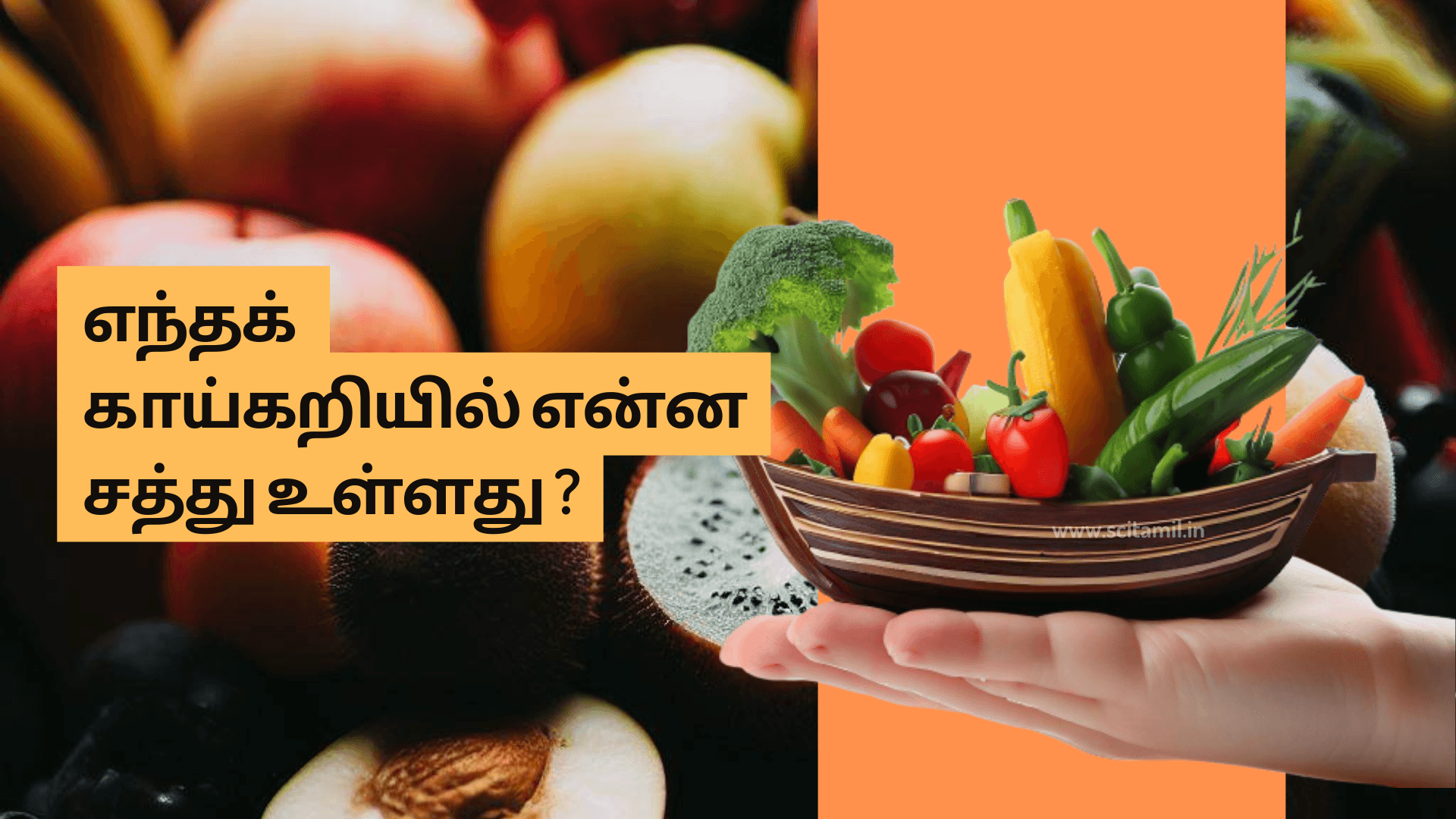
Rounding out the daily culinary basket are members of the nightshade and cucurbit (gourd) families, each offering targeted biochemical protection [1] [4].
Key Bioactive Compounds Across Everyday Vegetables
Brinjal (Eggplant)
Key Bioactive: Nasunin (anthocyanin) and chlorogenic acid.
Primary Function: Potent iron chelation and neuroprotective free radical scavenging in brain cell membranes.
Culinary Tip: Keep the purple skin intact; nasunin is concentrated in the dermal peel.
Hydrating Gourds
Key Bioactive: Bottle gourd, ridge gourd, snake gourd pectins.
Primary Function: Exceeds 92% to 95% biological water content enriched with bioavailable potassium and magnesium.
Culinary Tip: Excellent for cooling electrolyte balance, gentle renal diuresis, and low-calorie satiety.
Pumpkin & Orange Squash
Key Bioactive: Beta-carotene, lutein, zeaxanthin.
Primary Function: Accumulates in the retinal macular pigment to filter high-energy blue light and prevent macular degeneration.
Culinary Tip: Pair with healthy fats (like mustard or sesame oil) to optimize carotenoid uptake.
Brinjal (eggplant) boasts nasunin, a unique anthocyanin concentrated in its deep purple skin. Nasunin is an exceptional iron chelator that binds excess free iron ions, preventing iron-mediated generation of destructive hydroxyl free radicals that damage delicate brain lipid membranes [1]. Meanwhile, hydrating gourds, including bottle gourd (sorakkay), ridge gourd (peerkangai), and snake gourd (pudalangai), provide high-potassium, low-sodium intra-cellular hydration that naturally assists in renal detoxification and blood pressure regulation [4].
Bioavailability and Cooking Science: Raw vs Steamed vs Sautéed Phytochemicals
A central tenet of culinary medicine is understanding that the nutritional value of a vegetable is not fixed; it changes dramatically depending on preparation techniques. Different biochemical compounds possess divergent thermal and physical stability [1] [5].
Water-soluble nutrients, such as vitamin C, folate, and the heat-sensitive enzyme myrosinase, are easily degraded by excessive boiling or overcooking. When cabbage or broccoli is boiled in open water for extended durations, up to 50% of glucosinolates and vitamin C leach into the cooking water and are lost. Light steaming (for 3 to 5 minutes) or quick stir-frying preserves myrosinase activity, ensuring maximal conversion of precursors into active sulforaphane [5].
Conversely, lipid-soluble carotenoids (such as the lycopene in tomatoes and beta-carotene in carrots and pumpkins) are tightly bound within the rigid crystalline cellulose matrix of the plant cell wall. Gentle thermal cooking breaks down these fibrous cell walls, liberating carotenoids. More importantly, because carotenoids are lipophilic (fat-soluble), pairing cooked vegetables with modest amounts of healthy dietary fats, such as extra virgin olive oil, cold-pressed sesame oil, or ghee, increases carotenoid absorption into mesenteric lymphatic vessels by up to four- to six-fold [1] [4].
By rotating diverse, colorful vegetables across the weekly menu and employing intelligent cooking techniques, individuals can tap into nature’s most sophisticated preventative medicine cabinet, fostering cellular vitality and lifelong metabolic resilience [1] [2] [4].
Furthermore, regular inclusion of diverse dietary fibers fosters microbial richness and taxonomic equilibrium within the gut microbiome. Fermentation of plant cell wall polysaccharides by symbiotic bacteria produces acetate, propionate, and butyrate, which fortify gut mucosal barrier tight junctions, reduce endotoxin translocation into portal blood, and suppress chronic systemic inflammation. A colorful array of everyday vegetables thus functions as an active biological defense shield, preserving metabolic homeostasis across all stages of life [1] [4].
Frequently Asked Questions
Common reader questions about this study
Why is moringa (drumstick) considered a nutritional powerhouse?
Moringa oleifera leaves and pods contain exceptional concentrations of bioavailable calcium, potassium, vitamin C, and iron, paired with potent isothiocyanates and quercetin. These bioactive compounds downregulate pro-inflammatory cytokines and enhance hepatic antioxidant enzyme activity.
How does bitter gourd assist in regulating blood sugar levels?
Bitter gourd contains three distinct bioactive anti-hyperglycemic agents: charantin, vicine, and polypeptide-p (a plant-derived peptide mimicking mammalian insulin). Together, they stimulate peripheral glucose uptake into skeletal muscle, suppress hepatic gluconeogenesis, and enhance insulin secretion.
What makes okra mucilage beneficial for human cardiovascular health?
The viscous mucilage in okra consists of high-molecular-weight galacturonic acid and rhamnose polysaccharides. In the digestive tract, this gel matrix binds dietary cholesterol and bile acids, facilitating their fecal excretion and prompting the liver to lower circulating LDL cholesterol.
Is it healthier to eat vegetables raw or cooked?
It depends on the vegetable. Water-soluble vitamin C and heat-labile glucosinolates in cabbage and bell peppers are best preserved through minimal cooking or raw consumption. In contrast, fat-soluble carotenoids (lycopene in tomatoes, beta-carotene in carrots and pumpkins) become significantly more bioavailable when lightly cooked in healthy lipids like olive oil.
References
- ↩ The Lancet: Food in the Anthropocene: the EAT-Lancet Commission on healthy diets from sustainable food systems
- ↩ Frontiers in Pharmacology: Therapeutic Potential of Moringa oleifera: A Review of its Bioactive Compounds and Clinical Efficacy
- ↩ Phytotherapy Research: Momordica charantia (Bitter Melon) and its active principles in the management of diabetes
- ↩ Nutrients: Dietary Fiber, Gut Microbiota, and Metabolic Health: The Role of Mucilage and Pectin in Plant Foods
- ↩ Critical Reviews in Food Science and Nutrition: Cruciferous vegetables and human cancer prevention: Mechanisms of glucosinolates and isothiocyanates
No comments yet. Be the first to join the conversation.