


Key Findings
- Commercial biscuits are categorized as NOVA Group 4 ultra-processed foods loaded with refined flour, sugars, and palm oil.
- A glycemic index exceeding 75 triggers steep glucose surges, reactive hypoglycemia, and chronic systemic insulin resistance.
- High-temperature baking forms acrylamide—an IARC Group 2A probable human carcinogen resulting from the Maillard reaction.
- Chemical emulsifiers dissolve the intestinal protective mucin barrier, contributing to leaky gut syndrome and metabolic endotoxemia.
- Digestive and Marie biscuits are marketing illusions that contain comparable levels of refined starches, fats, and hidden calories.
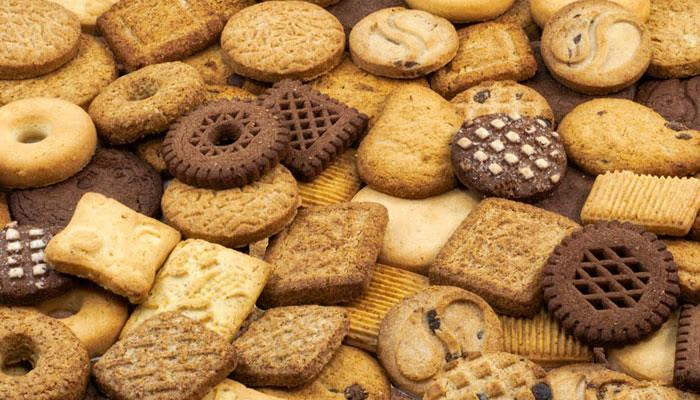
In millions of households, tea stalls, and workplace breakrooms around the world, morning and afternoon tea rituals are almost universally accompanied by a familiar, crunchy companion: commercially manufactured biscuits. Whether paired with hot milk, black coffee, or masala chai, dipping a couple of biscuits into a warm beverage has evolved into a deeply ingrained daily habit. Marketing campaigns have spent decades framing these convenient snacks as wholesome staples, promoting slogans highlighting wheat fiber, digestive support, and the equivalent nourishment of a glass of milk [1].
However, when evaluated through the rigorous lens of modern nutritional biochemistry and clinical toxicology, commercial biscuits reveal a vastly different reality. Far from being wholesome grain snacks, commercial cookies and biscuits are classified in food science as ultra-processed foods (NOVA Group 4). They represent industrial formulations of stripped carbohydrates, bleached wheat flour, hydrogenated palm oils, invert syrups, chemical emulsifiers, and carcinogenic baking byproducts designed specifically to maximize corporate shelf-life and biological hyper-palatability [1, 2].
Metabolic Impact: Refined Flour, Glycemic Spikes, and Insulin Resistance
The primary ingredient comprising 60 to 75 percent of standard commercial biscuits is refined wheat flour, commonly known as maida. In industrial milling, the wheat grain is stripped of its nutrient-rich germ (which houses vitamin E and essential fatty acids) and fibrous outer bran layer (which regulates digestion). What remains is pure, pulverized endosperm starch, frequently bleached with oxidizing agents like benzoyl peroxide to achieve a pristine white coloration [1].
Because all biological fiber has been eliminated, salivary amylase inside the mouth and pancreatic enzymes in the duodenum hydrolyze this refined starch into free glucose molecules within seconds of ingestion. Standard commercial biscuits possess a staggering Glycemic Index (GI) surpassing 75 to 80, rivaling pure glucose and table sugar. When this glucose flood surges into the bloodstream, it forces pancreatic beta cells to pump out massive compensatory waves of insulin [2].
This intense hyperinsulinemia drives glucose out of circulation so rapidly that blood sugar levels crash well below baseline within 90 minutes, a rebound known as reactive hypoglycemia. The brain perceives this sudden energy dip as an acute metabolic emergency, triggering intense hunger pangs, irritability, brain fog, and an uncontrollable craving for more carbohydrates. Over months and years of daily tea-time biscuits, chronic insulin spikes downregulate insulin receptors, establishing progressive peripheral insulin resistance, visceral adiposity, and Type 2 diabetes [1].
Industrial Palm Oil, Trans Fats, and Cardiovascular Pathology
Commercial bakeries rarely utilize expensive grass-fed butter, cold-pressed oils, or pure dairy ghee. To minimize manufacturing costs and ensure biscuits remain brittle and shelf-stable for months without spoiling, commercial formulas rely almost exclusively on refined palm oil, fractionated palm kernel fat, or partially hydrogenated vegetable oils (vanaspati) [1].
Palm oil contains exceptionally high concentrations of palmitic acid (a 16-carbon saturated fatty acid) and varying levels of industrial trans fats generated during high-pressure refining. Inside hepatic hepatocytes, palmitic acid downregulates low-density lipoprotein (LDL) receptors, preventing the clearance of circulating cholesterol and stimulating the production of atherogenic small dense LDL (sdLDL) particles and triglycerides [2].
Unlike buoyant, large LDL molecules, small dense LDL particles readily penetrate through the endothelial lining of coronary arteries, where they become oxidized and engulfed by macrophages, forming lipid-laden foam cells. Large prospective cohort investigations published in The BMJ confirm that regular consumption of ultra-processed foods rich in industrial palm fractions is strongly correlated with coronary artery disease, atherosclerotic plaque formation, hypertension, and elevated stroke mortality [1].
Acrylamide Formation: The Silent Toxic Carcinogen in Baked Goods
A pervasive, yet rarely discussed, chemical hazard lurking inside baked biscuits is acrylamide. Biscuits are baked in continuous industrial convection ovens at extreme temperatures ranging from 150 to 220 degrees Celsius. Under this intense heat, free asparagine (a natural amino acid present in wheat flour) reacts with reducing sugars (such as glucose and fructose) through the non-enzymatic Maillard reaction, which gives biscuits their golden-brown color and roasted aroma [2].
However, an inevitable byproduct of this thermal reaction is acrylamide (C3H5NO). The International Agency for Research on Cancer (IARC) formally categorizes dietary acrylamide as a Group 2A probable human carcinogen. Upon ingestion, acrylamide is enzymatically converted by cytochrome P450 2E1 into glycidamide, a reactive epoxide that forms covalent DNA adducts, inducing chromosomal mutations and neurotoxicity [2].
Because children possess lower total body mass and metabolic detoxification volumes, their proportional dietary intake of acrylamide per kilogram of body weight from daily biscuit snacking is two to three times higher than that of adults, raising severe concerns among pediatric toxicologists regarding long-term cellular integrity and neurological development [2].
Chemical Emulsifiers and the Dissolution of Gut Mucosa
To prevent fats from separating from flour during high-speed factory blending, biscuit formulations incorporate industrial chemical emulsifiers, including soy lecithin, mono- and diglycerides of fatty acids (E471), and polysorbates. In the human digestive tract, these synthetic emulsifiers behave essentially like mild household detergents [3].
The human intestinal epithelium is shielded from billions of luminal bacteria by a dense, protective gel layer composed of mucin-2 glycoproteins. Landmark clinical feeding trials published in Gastroenterology revealed that dietary emulsifiers directly dissolve and thin this mucus barrier. This mucolytic degradation allows intestinal bacteria to make direct contact with underlying epithelial cells, precipitating chronic low-grade gut inflammation and leaky gut syndrome [3].
As intestinal permeability is compromised, bacterial endotoxins (notably lipopolysaccharides, or LPS) leak across the mucosal barrier into the hepatic portal circulation. This metabolic endotoxemia triggers systemic toll-like receptor 4 (TLR4) activation, fostering systemic joint inflammation, exacerbating autoimmune flare-ups, and driving non-alcoholic fatty liver disease (NAFLD) [3].
Commercial Tea-Time Biscuits
NOVA Group 4 ultra-processed food; refined stripped flour (GI > 75); industrial palm oil with atherogenic palmitic acid; carcinogenic acrylamide from oven baking; mucosal-eroding emulsifiers; and dopamine-hijacking bliss point formulas.
Wholesome Nutritional Alternatives
Whole-food legumes (boiled chickpea or green gram sundal); dry-roasted lotus seeds (makhana); raw or lightly roasted almonds and walnuts; and homemade steamed millet snacks offering sustained fiber, intact protein, and zero chemical additives.
Neurobiology of Biscuit Addiction: The Bliss Point Engineering
Ever wondered why it feels almost impossible to eat just one or two biscuits, often culminating in demolishing an entire 10-piece sleeve? This behavioral compulsion is not a failure of personal willpower; it is the engineered outcome of food science formulation known as the Bliss Point [4].
In evolutionary biology, ancestral human foods never contained a 50 percent carbohydrate and 35 percent fat ratio combined with refined salt and synthetic flavorings. Food technologists engineer biscuits to achieve the exact sensory intersection of crispy crunch, melting mouthfeel, and rapid oral dissolution. When this hyper-palatable emulsion touches taste receptors, it triggers an explosive surge of dopamine within the mesolimbic reward system (specifically the nucleus accumbens), mimicking the neurological neurochemistry of mild addictive substances [4].
Concurrently, this precise chemical matrix blunts the physiological secretion of peptide YY and leptin, the hormones responsible for signaling satiety to the hypothalamus. Unaware that hundreds of empty calories have been consumed, the brain urges the individual to continue reaching for another biscuit, fueling chronic overeating and metabolic dysfunction [4].
High-Fructose Invert Syrups and Pediatric Fatty Liver Disease
A careful audit of ingredient statements reveals that modern biscuits frequently replace traditional granulated sucrose with invert sugar syrups or high-fructose corn syrup (HFCS). Food manufacturers prefer liquid fructose derivatives because they prevent moisture recrystallization, keeping baked cookies softer and lighter for extended supermarket shelf lives at a fraction of cane sugar costs [1].
Unlike glucose, which can be metabolized by virtually every somatic cell in the human body, dietary fructose is handled exclusively by hepatic cells. Flooding the liver with rapidly absorbable liquid fructose bypasses the phosphofructokinase rate-limiting step in glycolysis, directly fueling hepatic de novo lipogenesis. This uncontrolled lipid synthesis packs liver cells with ectopic fat droplets, contributing directly to non-alcoholic fatty liver disease (NAFLD) and metabolic-associated steatohepatitis (MASH), conditions now diagnosed with alarming frequency in young school-age children [2].
Furthermore, colorful cream and novelty biscuits aimed at children incorporate artificial petroleum-derived dyes, such as Tartrazine (E102), Sunset Yellow (E110), and Allura Red (E129). Clinical trials led by the University of Southampton established a clear link between these synthetic colorings and exacerbated hyperactivity, emotional lability, and attention-deficit symptoms in children, prompting European regulators to mandate warning labels that are conspicuously absent in emerging markets.
The Digestive and Marie Biscuit Myth: Marketing vs Reality
Millions of health-conscious consumers and diabetic patients deliberately choose Marie or Digestive biscuits under the mistaken belief that these varieties represent wholesome, medically prudent choices. A rigorous examination of the nutrition facts label demolishes this marketing mythology [1].
Digestive biscuits were originally created in 19th-century Britain by adding sodium bicarbonate, which marketers claimed acted as an antacid aid for indigestion. Today, a standard digestive biscuit contains up to 70 percent refined or semi-refined wheat flour, 15 to 20 percent refined sugar, and 15 to 20 percent industrial palm oil. Consuming just two digestive biscuits delivers approximately 150 calories and 5 to 6 grams of pure sugar, roughly equivalent to eating a teaspoon of refined sugar on a slice of white bread. Similarly, Marie biscuits remain heavily refined starch vehicles devoid of bioavailable micronutrients, offering zero therapeutic advantage for diabetic glycemic control [2].
Nourishing Whole-Food Alternatives for Tea Time
Reclaiming metabolic health does not require abandoning beloved afternoon beverage rituals. Replacing factory-extruded biscuits with nutrient-dense, unprocessed snacks revitalizes cellular energy and stabilizes daily blood glucose [1, 3]:
Boiled Legume Sundal: Steamed chickpeas, black beans, or sprouted green gram tossed with mustard seeds, curry leaves, and freshly grated coconut provide rich plant protein, slow-digesting resistant starch, and essential soluble fiber that feeds beneficial short-chain fatty acid-producing gut microbes.
Roasted Lotus Seeds (Makhana): Lightly roasted foxnuts seasoned with a pinch of turmeric and rock salt provide an exceptionally light, crunchy texture rich in magnesium, potassium, and antioxidants, with a low glycemic load that prevents insulin surges.
Nuts and Seeds: A modest handful of raw almonds, walnuts, pumpkin seeds, and chia seeds delivers heart-healthy monounsaturated fats, zinc, and neuroprotective omega-3 fatty acids without spiking glucose or introducing chemical emulsifiers [3].
Frequently Asked Questions
Frequently Asked Questions
Are sugar-free or diabetic-friendly biscuits actually safe?
No. Sugar-free biscuits replace cane sugar with artificial polyols (maltitol, sorbitol) or synthetic sweeteners like sucralose. However, the foundational bulk of the biscuit remains refined white flour and palm oil, which still convert rapidly into blood glucose while sugar alcohols frequently cause abdominal bloating, flatulence, and gut dysbiosis.
Can giving biscuits to infants and toddlers cause harm?
Yes. Introducing biscuits to young children habituates developing taste palates to hyper-sweet and hyper-salty bliss points, leading to rejection of vegetables and wholesome foods. Furthermore, the high sugar, palm oil, and acrylamide content contributes to early childhood dental caries, childhood obesity, and hyperactivity.
Is home-baked biscuit better than commercial store-bought brands?
Home-baked biscuits prepared with 100% whole-grain flours (ragi, whole wheat), unrefined jaggery, and pure cold-pressed coconut oil or ghee avoid dangerous chemical emulsifiers, artificial preservatives, and commercial palm fats. However, because baking at high temperatures still produces some acrylamide, they should remain an occasional treat rather than a daily staple.
How many biscuits can a healthy adult safely consume per day?
Nutritional guidelines recommend limiting ultra-processed bakery products to occasional indulgences. Consuming zero commercial biscuits daily is optimal for metabolic and cardiovascular health. If consumed, intake should not exceed one or two biscuits once or twice a week, rather than an automatic daily tea accompaniment.
Scientific References
Ultra-Processed Food Consumption and Risk of Type 2 Diabetes and Cardiovascular Disease
- Journal
- The BMJ
- Study Type
- Prospective Cohort Study
- Year
- 2019
DOI10.1136/bmj.l1451
Acrylamide in Bakery Products: Formation, Health Hazards, and Mitigation Strategies
- Journal
- Food Chemistry
- Study Type
- Review
- Year
- 2020
DOI10.1016/j.foodchem.2020.127814
Dietary Emulsifiers Impact Gut Microbiota and Metabolome: Clinical Feeding Study
- Journal
- Gastroenterology
- Study Type
- Randomized Controlled Trial
- Year
- 2022
DOI10.1053/j.gastro.2021.11.006
Social, Clinical, and Policy Implications of Ultra-Processed Food Addiction
- Journal
- The BMJ
- Study Type
- Analysis
- Year
- 2023
DOI10.1136/bmj-2023-075354
References
- ↩ Ultra-Processed Food Consumption and Risk of Type 2 Diabetes and Cardiovascular Disease
- ↩ Acrylamide in Bakery Products: Formation, Health Hazards, and Mitigation Strategies
- ↩ Dietary Emulsifiers Impact Gut Microbiota and Metabolome: Clinical Feeding Study
- ↩ Social, Clinical, and Policy Implications of Ultra-Processed Food Addiction


No comments yet. Be the first to join the conversation.