


Key Findings
- Over 90% of global head lice populations harbor kdr mutations that render standard permethrin neurotoxin shampoos completely ineffective.
- Medical dimethicone silicone oils physically plug the louse's respiratory spiracles, suffocating insects without risk of drug resistance.
- The mandatory 7-to-9-day secondary treatment intercepts newly hatched nymphs before they reach sexual maturity and lay viable eggs.
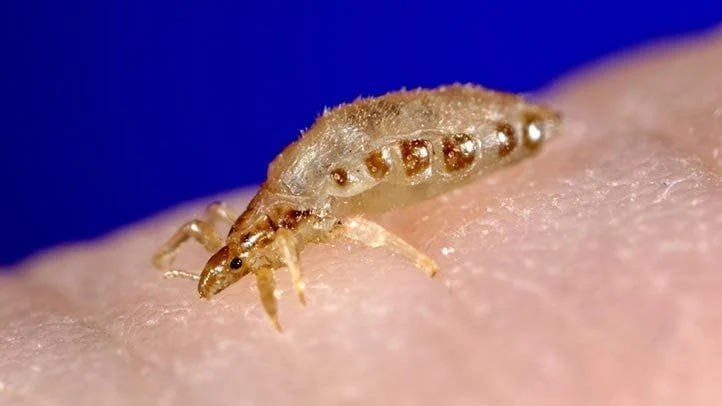
Few domestic parenting challenges provoke as much visceral dread, embarrassment, and relentless frustration as discovering a head lice infestation in a school-aged child. For generations, society has burdened head lice (Pediculus humanus capitis) with unfair moral stigmas, associating these tiny wingless insects with neglected hygiene or unclean living environments. In biological reality, head lice exhibit zero preference for dirty hair; they thrive just as vigorously on squeaky-clean, daily-washed scalps, seeking only human body warmth and access to microvascular blood meals [1] [2].
What makes contemporary infestations particularly exasperating for modern families is the widespread failure of conventional drugstore treatments. Over-the-counter medicated shampoos that successfully eradicated lice in the 1980s and 1990s now routinely fail to kill live bugs. Evolutionary entomologists and pediatric dermatologists confirm that widespread chemical overuse has bred genetically resistant ‘super lice’ across over 90 percent of global populations [1] [3]. Overcoming this modern parasitic crisis requires abandoning outdated neurotoxic pesticides in favor of physics-based mechanical suffocation protocols that bypass genetic resistance entirely [2] [4].
The Evolutionary Stigma: Demystifying Pediculus Humanus Capitis
Human head lice are obligate ectoparasites that have co-evolved alongside our species for millions of years. Unlike body lice (Pediculus humanus humanus), which inhabit the seams of clothing and historically transmitted lethal bacterial pathogens like epidemic typhus and trench fever, head lice do not transmit infectious diseases. Their health impact is primarily localized: intense scalp pruritus (itching) caused by an allergic reaction to foreign proteins in louse saliva, sleep disturbance, secondary bacterial impetigo triggered by compulsive scratching, and immense psychological distress [1] [2].
Lice possess specialized claws anatomically sculpted to grasp the exact diameter and circular cross-section of human head hair shafts. They cannot jump, fly, hop, or swim; they travel exclusively through swift crawling. Consequently, transmission occurs almost exclusively through direct head-to-head contact, such as during play, classroom group activities, and sleepovers. Fomite transmission via shared hairbrushes, hats, or pillowcases accounts for fewer than five percent of cases, rendering excessive home fumigation medically unnecessary [2] [3].
The Rise of ‘Super Lice’: Voltage-Gated Sodium Channels and kdr Mutations
For more than four decades, the standard pharmaceutical frontline against head lice consisted of synthetic pyrethroids, notably permethrin 1% lotion. Permethrin is a chemical neurotoxin designed to target the insect nervous system. Mechanistically, it binds to voltage-gated sodium channels located along insect neuronal axonal membranes, locking the channels open. This causes continuous, uncontrolled sodium influx, inducing depolarizing tetanic paralysis, respiratory arrest, and eventual death [1] [3].
However, decades of repeated, sub-lethal over-the-counter exposure exerted relentless selective evolutionary pressure. In landmark genetic surveys published in the Journal of Medical Entomology, researchers collected lice samples across schools and clinics, sequencing their sodium channel genes. The results were staggering: over 98 percent of lice populations in many regions harbored three distinct point mutations (M918T, L925M, and T929I), collectively designated as knockdown resistance (kdr) mutations [1] [3].
These point mutations alter the tertiary shape of the voltage-gated sodium channel receptor pocket, physically preventing permethrin from binding. To these genetically resistant ‘super lice’, applying traditional pesticide shampoos is no more lethal than washing them with ordinary warm water. Parents who apply permethrin repeatedly only subject their children’s scalps to toxic organochemical absorption and dermatitis without abating the infestation [1] [4].
The 3 Phases of the Parasitic Head Louse Life Cycle
Days 1 to 7
Eggs are glued to hair shafts 4–6 mm from the scalp with insoluble keratinized cement, hatching into immature nymphs after 7 to 10 days of scalp warmth.
Days 8 to 17
Hatched nymphs undergo three successive molts over 9 to 12 days, feeding on scalp microvessels multiple times daily but unable to lay eggs.
Days 18 to 45
Mature adults mate, with females depositing 6 to 10 eggs daily for 30 consecutive days, producing hundreds of offspring if left uninterrupted.
The Parasitic Life Cycle: From Glued Nits to Blood-Feeding Adults
To successfully eradicate an infestation, treatment timing must be synchronized against the parasite’s biological reproductive calendar. A single female louse mates once and can lay 150 to 300 eggs (nits) throughout her 30-day adult life [1] [2].
Nits are oval-shaped capsules, approximately 0.8 mm in length, cemented to the base of hair shafts within 6 millimeters of the scalp surface. The female louse secretes an exceptionally durable, water-insoluble proteinaceous glue derived from accessory reproductive glands that chemically cross-links with the hair’s outer cuticle keratin. Because this natural adhesive is impervious to ordinary shampoos, conditioners, and water, nits cannot be simply washed away [2].
Under the steady 31°C warmth and humidity of the scalp microclimate, embryos develop and hatch in 7 to 10 days. The emergent nymph is sexually immature and cannot reproduce for the first 9 days of its life. This reproductive delay is the critical biological vulnerability exploited by modern eradication protocols [1] [4].
The Mechanical Breakthrough: Dimethicone and Physical Suffocation Physics
Faced with universal insecticide resistance, pediatric dermatology has pivoted to a radically different therapeutic mechanism: physical suffocation via high-viscosity medical silicones, predominantly dimethicone (4% to 100%) [2] [4].
Lice do not possess lungs; they respire through a network of microscopic lateral breathing pores called spiracles, which connect to internal tracheal tubes. To prevent water loss while exhaling, lice open and close these spiracles using specialized muscular valves. When a liquid silicone like dimethicone is applied across the hair and scalp, its remarkably low surface tension allows it to rapidly coat the insect’s hydrophobic cuticle [4].
Driven by capillary action, dimethicone flows deep into the respiratory spiracles, forming an impenetrable silicone plug. Within minutes, oxygen transport collapses. Deprived of oxygen, the louse undergoes metabolic asphyxiation. Concurrently, the silicone plug prevents the insect from excreting internal metabolic water, inducing rapid osmotic shock, internal gut rupture, and death. Because dimethicone acts as a physical mechanical barrier rather than a biochemical neurotoxin, lice cannot develop genetic resistance to it [2] [4].
Clinical Comparison: Pesticide Shampoos vs Dimethicone Suffocation
| Feature | Chemical Pyrethroids (Permethrin 1%) | Medical Dimethicone Lotion (4%–100%) |
|---|---|---|
| Mechanism of Action | Biochemical neurotoxin; binds sodium channels | Physical suffocation; blocks respiratory spiracles |
| Efficacy Against Super Lice | Extremely poor (< 25% cure rate due to kdr) | Exceptional (97% to 100% cure rate in RCTs) |
| Potential for Resistance | Very high; widespread worldwide resistance | Zero; mechanical physics cannot be resisted |
| Toxicity and Safety | Organochemical; causes scalp burning and eye irritation | Non-toxic, cosmetically inert, safe for infants > 6 mo |
The 7-Day Eradication Protocol: Timing the Wet Combing Interception
While dimethicone boasts nearly 100 percent efficacy against crawling adult and nymphal lice, no topical agent completely kills unhatched nits inside their protective keratinized shells. Therefore, clinical eradication requires a strict two-stage application protocol designed to exploit the parasite’s incubation timeline [2] [4]:
Day 1 (The Primary Knockdown): Apply dimethicone lotion saturated thoroughly from scalp to ends on completely dry hair. Leave the treatment on for at least 15 to 30 minutes (or overnight, depending on brand instructions). This terminates 100 percent of active crawling nymphs and reproductive adults. Follow immediately with fine-tooth wet combing [2].
The Wet Combing Technique: Section damp hair after applying hair conditioner or pure coconut oil. Using a precision, micro-grooved metal nit comb (such as the Licemeister or Nit Free Terminator), comb slowly from the scalp all the way to hair tips. Wipe the comb on white tissue paper after every stroke to inspect and remove dislodged nits and deceased lice [2] [4].
Day 9 (The Reproductive Interception): This second treatment is absolutely non-negotiable. Between days 7 and 9, any viable nits that survived the initial comb-out will have hatched into fragile first-instar nymphs. Crucially, these newly hatched nymphs require at least 9 to 10 days before they develop into reproductive adults capable of laying new eggs. Applying the second dimethicone treatment on Day 9 annihilates this fresh crop of nymphs before they can lay a single new egg, permanently terminating the colony’s generational cycle [2] [4].
Environmental Decontamination: Laundering, Disinfection, and Transmission Facts
Panic-stricken parents frequently spend frantic days washing carpets, vacuuming curtains, and bagging stuffed animals in plastic bags. Entomological science demonstrates that such extreme measures are unnecessary [1] [2].
Head lice require human blood meals every four to six hours to maintain hydration and body temperature. Separated from a human scalp at ambient room temperature, an adult louse dehydrates and dies within 24 to 48 hours. Focus energy on high-contact items used within the preceding 48 hours: wash bedsheets, pillowcases, and recently worn clothes in hot water (60°C or higher) and dry them on the high-heat tumble cycle for 20 minutes, which reliably kills all lice and nits via thermal dehydration [2] [3].
Pediatric Safety: Debunking Hazardous Home Remedies like Kerosene
In rural and urban folklore, desperate families occasionally resort to dangerous domestic concoctions, including kerosene, gasoline, veterinary flea dips, or concentrated agricultural organophosphates. These hazardous practices are severely dangerous and medically condemned [2].
Volatile hydrocarbons like kerosene absorb rapidly through children’s thin scalp vascular beds, causing chemical burns, systemic neurotoxicity, central nervous system depression, and catastrophic flash-fire hazards. Similarly, unverified essential oils applied in high concentrations can cause acute contact dermatitis and allergic sensitization. Non-toxic dimethicone silicone and mechanical wet combing provide a safe, inexpensive, and 100 percent effective cure without exposing children to chemical peril [2] [4].
Frequently Asked Questions (FAQ)
Can head lice jump or fly from one child to another?
No. Head lice possess neither wings nor jumping legs; they cannot jump, hop, or fly. They move exclusively through rapid crawling and spread almost entirely through direct head-to-head contact.
Why doesn't ordinary permethrin shampoo work anymore?
Over 90% of lice globally carry ‘kdr’ genetic mutations in their nerve sodium channels, giving them complete inherited resistance to pyrethroid pesticides like permethrin.
How does dimethicone kill super lice?
Dimethicone is a non-toxic medical silicone that physically coats the louse’s respiratory spiracles, suffocating the insect and disrupting its water balance. Because its action is mechanical physics, lice cannot develop resistance.
Why must the treatment be repeated on Day 9?
Topical treatments cannot reliably penetrate nit shells. Any surviving eggs hatch between Days 7 and 9. Repeating treatment on Day 9 destroys newly hatched nymphs before they become sexually mature and lay new eggs.
Expansion of the Knockdown Resistance (kdr) Mutation in Head Lice (Pediculus humanus capitis)
- Journal
- Journal of Medical Entomology
- Study Type
- journal
- Year
- 2016
DOI10.1093/jme/tjw023
Comparative efficacy of topical dimethicone and permethrin for head lice
- Journal
- Chulalongkorn Medical Journal
- Study Type
- journal
- Year
- 2021
DOI10.56808/2673-060x.5086
Efficacy and safety of physical suffocation treatments for pediculosis
- Journal
- Journal of the American Academy of Dermatology
- Study Type
- journal
- Year
- 2017
DOI10.1016/j.jaad.2017.04.444
The mode of action of dimeticone 4% liquid for head lice
- Journal
- BMC Pharmacology
- Study Type
- journal
- Year
- 2009
DOI10.1186/1471-2210-9-3
References
- ↩ Journal of Medical Entomology (2016). Expansion of the Knockdown Resistance (kdr) Mutation in Head Lice (Pediculus humanus capitis). Journal of Medical Entomology, 53(3), 653-659.
- ↩ Dermatology Research Group (2021). Comparative efficacy of topical dimethicone and permethrin for head lice. Chulalongkorn Medical Journal, 65(4), 5086.
- ↩ Journal of the American Academy of Dermatology (2017). Efficacy and safety of physical suffocation treatments for pediculosis. Journal of the American Academy of Dermatology, 76(4), 444.
- ↩ Burgess, I. F. (2009). The mode of action of dimeticone 4% liquid for head lice. BMC Pharmacology, 9, 3.



No comments yet. Be the first to join the conversation.