



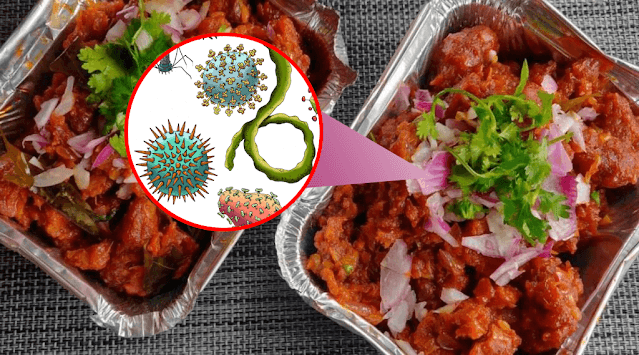
As twilight descends across the bustling street corners, college lanes, and bus terminuses of southern India, an irresistible sensory phenomenon takes over. Large cast-iron flat-top tawa pans sizzle loudly over roaring LPG flames. Vendors wield metal spatulas with rhythmic percussion, mincing crispy fried chunks into a dense, bubbling gravy that radiates an electric, crimson-red sheen. Aromas of fried garlic, curry leaves, chili powder, and pungent sauces billow into the evening air, drawing swarms of hungry patrons eager for a quick, mouthwatering plate of roadside mushroom fry [1].
For tens of thousands of school children, college students, and office workers, roadside mushroom fry–popularly celebrated as ‘kalan’ or ‘roadside chili mushroom’–is the undisputed king of fast-casual evening snacks. It is intensely flavorful, remarkably affordable, delightfully crunchy, and satisfyingly warm. Yet beneath the intoxicating crunch and peppery gravy lies a profound food chemistry paradox that has sparked widespread food safety investigations: is there any actual mushroom on that plate? [1], [2].
Laboratory analyses conducted by regional Food Safety and Standards Authority of India (FSSAI) testing units and public health analytical chemists have repeatedly uncovered an astonishing truth. Across the overwhelming majority of informal street stalls, roadside mushroom dishes contain virtually zero real mushroom. Instead, what consumers eagerly purchase is an engineered culinary illusion: a heavily battered mixture of shredded cabbage, refined all-purpose flour (maida), industrial synthetic dyes, flavor enhancers, and cornstarch, deep-fried in repeatedly boiled vegetable oils [1], [2].
- 80-95%
- Cabbage Filler
- 0-5%
- Actual Mushroom
- 300%+
- Polar Compounds
- Zero Safety
- Rhodamine-B
The Street Food Illusion: How Shredded Cabbage and Maida Mimic Mushrooms
To understand how millions of consumers are comfortably persuaded that they are eating freshly harvested fungi, one must examine the economic and physical food science governing the street food industry. Fresh cultivated edible mushrooms–predominantly White Button mushrooms (Agaricus bisporus) and Oyster mushrooms (Pleurotus ostreatus)–are perishable, biologically fragile agricultural commodities. Cultivating them requires sterile substrate preparation, controlled moisture, cold-chain transport, and temperature-regulated chilling facilities.
Consequently, wholesale commercial mushrooms command a market price between 120 and 200 rupees per kilogram. By stark contrast, raw white cabbage (Brassica oleracea var. capitata) is an exceptionally hearty, low-cost cruciferous vegetable available at wholesale prices of merely 10 to 20 rupees per kilogram. When raw cabbage is shredded into fine ribbons, tossed with dense refined white wheat flour (maida), moistened with water, and seasoned with ground spices, a remarkably cohesive batter forms [1].
When these cabbage-flour dough clusters are plunged into boiling oil, a profound culinary transformation occurs. The structural starch granules inside the maida gelatinize instantly, forming a rigid, crispy outer crust. Simultaneously, the internal moisture trapped within the cabbage ribbons steams, softening the tough vegetable fibers into a tender, chewy, slightly spongy interior matrix. When subsequently shredded and drenched in a thick cornstarch gravy flavored with soy sauce, tomato paste, garlic, and vinegar, the textural mouthfeel closely mirrors the natural cellular bite of cooked mushroom caps [1], [2].
Economic margin is the relentless driver behind this widespread substitution. A vendor selling a piping-hot plate of ‘kalan fry’ for 30 to 50 rupees cannot maintain commercial solvency while utilizing genuine cultivated mushrooms. By formulating their batter with 80% to 90% shredded cabbage and 10% to 20% refined maida, the ingredient cost plummets by more than 85%. While substituting cabbage for mushroom might seem like a harmless economic compromise or culinary sleight-of-hand, the real public health crisis emerges from the chemical additives required to make shredded cabbage look, smell, and taste like high-end savory meat [1].
Chemical Colorants and the Dark Shadow of Rhodamine-B Contamination
Raw cabbage fried in refined wheat flour emerges from the oil as a dull, pale-yellowish or grayish-brown lump. It looks unappealing and distinctly vegetal. To impart the iconic, radiant scarlet-red glow that street food lovers associate with zesty Indo-Chinese cooking, vendors rely heavily on chemical food colorants [2].
Under Indian food safety regulations enforced by the Food Safety and Standards Authority of India (FSSAI), only eight synthetic coloring agents are legally permitted in specified food classes at strictly regulated concentrations (never exceeding 100 parts per million in prepared gravies): Tartrazine, Sunset Yellow FCF, Carmoisine, Ponceau 4R, Erythrosine, Brilliant Blue FCF, Fast Green FCF, and Indigo Carmine. However, legally approved food-grade colorants are relatively expensive, prone to thermal degradation when fried at high temperatures, and fade quickly when exposed to direct sunlight in open carts [2].
To overcome these limitations and slash overhead costs, unscrupulous suppliers and uneducated street vendors frequently substitute illegal industrial dye adulterants, most notoriously Rhodamine-B. Rhodamine-B is a water-soluble synthetic xanthene fluorophore chemical dye engineered specifically for industrial textile dyeing, paper pulp coloring, leather finishing, and fluorescent bio-imaging. It possesses an extraordinary, high-potency fluorescent pink-red hue that does not break down even when boiled in frying oil for hours [2].
Rhodamine-B is classified globally as a potent cytotoxic xenobiotic and suspected carcinogen. It is strictly prohibited from being utilized in any food product whatsoever under the Food Safety and Standards Act. Toxicological investigations demonstrate that chronic ingestion of Rhodamine-B damages human cellular mitochondria, induces hepatic oxidative stress, impairs renal glomerular filtration, and triggers chromosomal aberrations. In animal bioassays, long-term dietary exposure to Rhodamine-B resulted in significant increases in malignant hepatic tumors and intestinal lymphosarcomas [2].
Beyond Rhodamine-B, non-permitted levels of Carmoisine and Sunset Yellow are frequently detected in street food samples at concentrations five to twenty times above statutory legal thresholds. These intense azo dyes undergo reductive cleavage in the human gut by intestinal anaerobic microflora, liberating aromatic amines that provoke acute allergic bronchospasms, contact dermatitis, and behavioral hyperactivity in young children.
The Chemistry of Reheated Cooking Oil: Toxic Free Radicals and Trans Fats
While artificial coloring presents a significant toxicological threat, the most widespread, daily physiological hazard of roadside mushroom fry stems from the cooking medium itself: commercial frying oil subjected to repeated, continuous thermal abuse [3].
In home kitchens, cooking oil is rarely reused more than once or twice before being discarded. In roadside commercial stalls operating on tight profit margins, discarding cooking oil represents a major financial loss. Street vendors typically purchase large commercial tins of low-cost, unrefined palm oil or hydrogenated vegetable fats. This oil is poured into massive iron tawa vats and heated to temperatures exceeding 180°C to 220°C for eight to twelve continuous hours, day after day. Rather than changing the oil, vendors merely top up the simmering vat with fresh oil as the level drops [3].
When cooking oil is repeatedly heated to elevated frying temperatures in the presence of atmospheric oxygen and food moisture, it undergoes three simultaneous, devastating chemical degradations: 1. Thermal Oxidation: The polyunsaturated and monounsaturated fatty acid chains in the oil break down, reacting with oxygen to generate primary oxidation products called lipid hydroperoxides. As heating continues, these hydroperoxides decompose into hazardous secondary oxidation compounds, including aldehydes, ketones, hydroxy acids, and epoxides [3]. 2. Hydrolytic Cleavage: Water released from deep-frying wet cabbage strips hydrolyzes triglycerides into free fatty acids (FFAs) and glycerol, drastically lowering the oil’s smoke point and generating irritating acrolein fumes. 3. Polymerization: Broken fatty acid radicals cross-link to form high-molecular-weight polar dimers and polymers. These polymers form the thick, viscous, black tar-like residue visible along the edges of commercial street pans [3].
The physiological consequence of consuming food saturated with oxidized, polymerized oil is severe. These thermally degraded lipids contain elevated concentrations of Total Polar Compounds (TPC). The FSSAI mandates that no commercial food operator may utilize cooking oil with a TPC exceeding 25%. In roadside tawa stalls, analytical testing regularly reveals TPC levels exceeding 40% to 55% [3]. Once ingested, oxidized polar compounds trigger widespread endothelial inflammation throughout human blood vessels, impair systemic arterial vasodilation, accelerate low-density lipoprotein (LDL) oxidation, and drive the progression of non-alcoholic fatty liver disease (MASLD). For detailed clinical strategies on reversing hepatic fat accumulation and supporting liver detox pathways, see our comprehensive guide on fatty liver causes, symptoms, and natural reversal.
Monosodium Glutamate (MSG) and Flavor Enhancers: Neurological Facts vs Myths
A hallmark feature of roadside mushroom fry is its explosive, hyper-savory taste. The moment a forkful touches the tongue, an intense wave of umami washes over the palate. This flavor profile is engineered using Monosodium Glutamate (MSG), commercially marketed in Asian food trade as ‘Ajinomoto’, combined with hydrolyzed vegetable proteins and concentrated sodium seasonings [4].
Monosodium glutamate is the sodium salt of glutamic acid, an abundant, naturally occurring non-essential amino acid found in tomatoes, aged cheeses, breast milk, and sea kelp. When MSG dissolves on the human tongue, free glutamate ions bind specifically to metabotropic glutamate receptors (mGluR4) and heterodimeric T1R1+T1R3 umami receptors housed in taste buds, transmitting powerful signals of protein richness to the brain [4].
From a regulatory and biochemical standpoint, major global food safety agencies–including the US Food and Drug Administration (FDA), the European Food Safety Authority (EFSA), and the FSSAI–classify pure monosodium glutamate as Generally Recognized as Safe (GRAS) when consumed in moderate, food-grade culinary quantities. Decades of double-blind, placebo-controlled human clinical trials have dismantled the historical ‘Chinese Restaurant Syndrome’ myth, confirming that standard culinary MSG does not induce acute neurological damage in the general population [4].
However, in roadside mushroom stalls, the public health problem is not the chemical identity of glutamate itself, but its unmeasured, compounding culinary dosage and context. Street vendors routinely sprinkle unregulated, handfuls of commercial MSG directly onto sizzling gravies alongside heavy measures of refined sodium chloride (table salt). A single serving of roadside mushroom fry can easily deliver between 2,500 and 4,000 milligrams of elemental sodium–vastly exceeding the entire recommended daily limit of 2,000 mg set by the World Health Organization [4].
Furthermore, pairing excessive free glutamate with deep-fried, refined flours creates an hyper-palatable neuro-sensory feedback loop. Glutamate stimulates lateral hypothalamic orexigenic pathways, bypassing normal homeostatic leptin satiety signaling. This pharmacological level of palatability encourages binge consumption of calorie-dense, nutrient-poor street food, reinforcing compulsive evening eating habits and contributing significantly to regional urban metabolic epidemics [4].
Gastrointestinal and Metabolic Health Hazards: From Gut Dysbiosis to Carcinogenesis
The convergence of refined flour (maida), adulterated chemical colorants, oxidized cooking oil, extreme sodium loads, and unhygienic water supplies transforms roadside mushroom fry into a formidable metabolic and digestive stressor [1], [3].
Acute Gastrointestinal Distress: The high concentration of oxidized lipids and synthetic azo dyes severely irritates the delicate gastric mucosal barrier. In sensitive individuals and adolescents, consuming roadside kalan triggers acute gastritis, severe acid reflux (GERD), stomach cramping, and bile reflux. Furthermore, because informal stalls lack running water for continuous utensil sanitization, bacterial contamination with enteric pathogens–including Escherichia coli, Salmonella enterica, and Staphylococcus aureus–is exceedingly common, resulting in frequent bouts of infectious gastroenteritis and food poisoning [1].
Disruption of Gut Microbiome Ecology: The human gastrointestinal tract is colonized by over 38 trillion commensal microorganisms that synthesize essential vitamins, regulate insulin sensitivity, and train human immune responses. Ingestion of synthetic industrial dyes, chemical preservatives, and lipid peroxides exerts powerful antimicrobial, dysbiotic effects. Beneficial short-chain fatty acid (SCFA) producing commensals, such as Faecalibacterium prausnitzii and Bifidobacteria, are suppressed, while pro-inflammatory endotoxin-producing gram-negative proteobacteria proliferate [1], [3].
Cardiometabolic Consequences: Refined maida flour possesses an extremely high glycemic index (GI > 75). Consuming large plates of deep-fried refined flour causes rapid postprandial glucose spikes, demanding massive insulin secretion from pancreatic beta cells. When combined with trans-fats and oxidized polar compounds that blunt insulin receptor sensitivity in skeletal muscle, regular consumption accelerates the onset of visceral adiposity, hypertriglyceridemia, and Type 2 diabetes. For readers tracking postprandial glycemic management, our clinical analysis on walking after meals to cut blood sugar details effective physical activity interventions.
Comparative Nutritional Breakdown: Roadside Mushroom vs Genuine Cultivated Fungi
Evaluating the profound nutritional divergence between authentic edible fungi and roadside street fry reveals why substituting cabbage and flour for real mushrooms fundamentally degrades human dietary quality.
| Nutritional Parameter | Fresh Button Mushroom (Agaricus) | Roadside Street Mushroom Fry |
|---|---|---|
| Caloric Density | 22 kcal (Very low, weight-loss friendly) | 280 – 340 kcal (Highly calorie-dense) |
| Crude Protein Content | 3.1 g (High quality, rich in essential amino acids) | 2.2 g (Poor quality gluten protein from maida) |
| Total Lipid / Fat Content | 0.3 g (Virtually zero fat) | 18.0 – 24.0 g (Thermally oxidized reheated oil) |
| Bioactive Compounds | Beta-glucans, Ergothioneine, Selenium, Ergosterol | Negligible; destroyed during prolonged deep frying |
| Sodium Concentration | 5 mg (Naturally heart-healthy) | 1,100 – 1,600 mg (Severe hypernatremic burden) |
| Chemical Contaminants | Zero synthetic dyes, zero polar compounds | Risk of Rhodamine-B, excessive azo dyes, oxidized TPCs |
Regulatory Guidelines: FSSAI Standards, Testing Kits, and Consumer Food Safety
In response to mounting public health concerns and chemical adulteration complaints, the Food Safety and Standards Authority of India (FSSAI) alongside state food safety wings have initiated intensive inspection drives across metropolitan and rural street hubs [1], [2].
Under the Food Safety and Standards Act (FSS Act 2006), misbranding food items–such as selling a dish labeled ‘Mushroom Fry’ when the primary ingredient is shredded cabbage–constitutes an illegal offense punishable with regulatory compounding fees and criminal prosecution for adulteration. Regulatory directives issued to commercial food establishments specify the following mandatory rules: 1. Truth in Labeling: If an establishment prepares a dish primarily with cabbage and flour, the menu and display board must explicitly label it as ‘Cabbage Fry’ or ‘Crispy Veg Fry’. The word ‘Mushroom’ or ‘Kalan’ cannot be utilized unless mushrooms constitute the primary ingredient by weight [1]. 2. Prohibition of Non-Permitted Colors: The utilization of Rhodamine-B, Metanil Yellow, or industrial pigment dyes carries severe penalties, including immediate license cancellation and criminal prosecution under non-bailable food adulteration provisions [2]. 3. Repurposed Used Cooking Oil (RUCO): Commercial food outlets utilizing more than 50 liters of oil per day are mandated to maintain oil disposal logs and partner with licensed biodiesels aggregators once Total Polar Compounds reach 25% [3].
How Consumers Can Spot Adulterated Street Food: Consumers can protect themselves and their families by applying basic sensory science checks when evaluating street snacks: – Inspect the Color Intensity: Natural cooked mushrooms in chili paste appear earthy brown, deep maroon, or rust red. If the dish exhibits a radiant, neon, or day-glow pink-red hue that stains paper plates or fingers even after washing with plain water, Rhodamine-B or heavy azo dye contamination is almost certainly present [2]. – Examine the Internal Structure: Cut open a fried chunk. Real mushrooms display a smooth, spongy cap texture with delicate internal gills or fibrous stems. If the interior consists of tightly rolled, layered translucent leafy strips embedded in gummy flour paste, it is shredded cabbage [1]. – Smell the Cooking Oil: Fresh frying oil possesses a neutral, clean aroma. If the cart’s air smells unpleasantly pungent, acrid, burnt, or induces throat scratching upon inhalation, the vendor is boiling rancid, hyper-oxidized oil high in polar compounds [3].
Safe Cooking at Home: How to Prepare Authentic Crispy Mushroom Fry
You do not need to compromise your cardiovascular and metabolic health to satisfy a craving for crispy, savory, aromatic South Indian kalan fry. By preparing the dish at home using fresh, whole ingredients, you can enjoy all the intoxicating flavors of traditional street snacks while packing your meal with genuine medicinal fungal nutrients [1].
Step-by-Step Wholesome Home Recipe: 1. Source Genuine Fungi: Purchase 250 grams of fresh White Button mushrooms (Agaricus bisporus) or firm Oyster mushrooms. Gently wipe the caps with a damp cloth to remove any growing substrate, and slice each mushroom into hearty bite-sized quarters. 2. Build a Clean Whole-Food Batter: In a wide mixing bowl, combine 2 tablespoons of chickpea flour (besan) and 2 tablespoons of roasted rice flour for maximum natural crunch. Add 1 teaspoon of Kashmiri chili powder (which provides a gorgeous, rich red hue naturally without a single milligram of synthetic dye), half a teaspoon of crushed black pepper, freshly minced ginger-garlic paste, and half a teaspoon of sea salt. 3. Light Pan-Frying or Air-Frying: Rather than deep-frying in boiling industrial fats, toss the mushroom quarters lightly in cold-pressed sesame oil or virgin mustard oil. Bake in an air fryer at 190°C for 12 minutes, or shallow pan-fry on an iron skillet until the exterior forms a golden-crisp crust while preserving internal moisture [1]. 4. Simmer the Umami Gravy: Sauté chopped red onions, fresh green chilies, and curry leaves in half a teaspoon of cold-pressed oil. Stir in fresh tomato puree, a splash of tamari or naturally fermented soy sauce, and a pinch of toasted cumin. Toss the crispy baked mushrooms into the bubbling gravy for two minutes, garnish with fresh coriander, and serve immediately.
Home-prepared mushroom fry delivers true culinary gratification: it provides high-molecular-weight beta-glucan fibers that nourish the gut microbiome, abundant ergothioneine antioxidants that safeguard cellular DNA, zero toxic industrial dye contaminants, and zero thermally abused polar lipids. For readers exploring comprehensive dietary frameworks that prevent lifestyle-induced metabolic illnesses, our clinical review on clinical nutritional science and malnutrition-related metabolic conditions provides valuable evidence-based context.
அடிக்கடி கேட்கப்படும் கேள்விகள்
Is roadside mushroom fry completely made of cabbage?
How can I tell if roadside food contains banned Rhodamine-B dye?
Why is reheated frying oil so dangerous for cardiovascular health?
Can Monosodium Glutamate (MSG) cause brain damage or allergies?
Scientific References and Primary Literature
Safety of Food and Beverages: Risks of Food Adulteration
- Journal
- Encyclopedia of Food Safety
- Study Type
- peer-reviewed
- Year
- 2024
DOI10.1016/b978-0-12-378612-8.00300-0
Glossary
Scientific terms used in this article
- Food Adulteration
- The illegal practice of adding inferior, cheaper, or toxic substances to food products to increase profit margins or improve artificial appearance.
- Rhodamine-B
- A synthetic industrial dye used for textiles and paper that is strictly prohibited in food due to potent cytotoxicity, organ toxicity, and carcinogenicity.
- Total Polar Compounds
- Chemical degradation byproducts formed when cooking oil is repeatedly heated; levels exceeding 25% indicate dangerous lipid rancidity and toxicity.
- Monosodium Glutamate
- The sodium salt of glutamic acid, an umami-inducing amino acid derivative that stimulates savory taste receptors on the human tongue.
- Beta-Glucans
- Naturally occurring prebiotic polysaccharides found in genuine edible mushrooms that strengthen human immune surveillance and optimize gut microbiota.
- Maida
- Refined wheat flour stripped of natural dietary fiber and micronutrients, exhibiting a high glycemic index that drives rapid blood sugar elevations.
References
- ↩ Encyclopedia of Food Safety: Safety of Food and Beverages: Risks of Food Adulteration
- ↩ Food and Humanity: Unregulated use of synthetic food dyes in street foods and public health implications
- ↩ Comprehensive Reviews in Food Science and Food Safety: Repeatedly heated cooking oils: Health hazards and mechanisms
- ↩ The Lancet Planetary Health: Street food safety and chemical contaminants in developing economies


No comments yet. Be the first to join the conversation.