

Key Findings
- Metropolitan work stress in men manifests through atypical externalizing symptoms including irritability, emotional numbness, and substance reliance.
- Chronic HPA axis activation elevates cortisol while suppressing pituitary LH, reducing testosterone biosynthesis by 30 to 40 percent.
- Structured resistance exercise, parasympathetic vagal stimulation, and digital curfews stimulate BDNF neuroplasticity and restore endocrine balance.
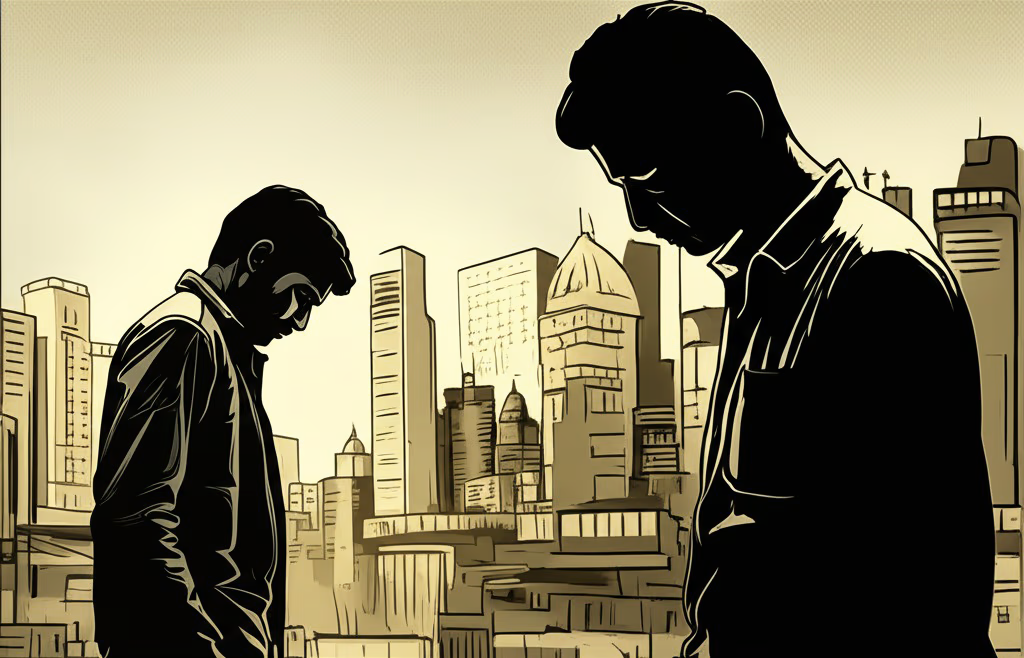
In bustling metropolitan economic hubs such as Chennai, Bengaluru, Mumbai, and Hyderabad, millions of working men navigate grueling daily routines characterized by high-pressure corporate deliverables, grueling traffic commutes, and mounting financial obligations. Beneath the outward veneer of career competence and professional stability, an insidious public health emergency is silently unfolding. Modern psychiatric and neurobiological research demonstrates that chronic urban stress manifests in men through unique, often unrecognized psychological and biochemical patterns, a syndrome clinical researchers term atypical male depression or silent stress [1] [2].
Unlike conventional depictions of depression characterized by overt sadness, weeping, or verbalized helplessness, men conditioned by rigid socio-cultural norms often mask severe internal anguish behind emotional detachment, sudden bouts of irritability, workaholism, and compulsive risk-taking. Far from being merely a state of mind, prolonged exposure to relentless workplace stressors fundamentally rewires the male neuroendocrine system, depressing vital anabolic hormones like testosterone while flooding the bloodstream with catabolic glucocorticoids [1] [3]. Unpacking the science behind this phenomenon provides men and their families with the tools needed to break the cycle of silent suffering.
The Silent Epidemic Behind Closed Office Doors
Global epidemiologists have long grappled with a startling statistical paradox: women are diagnosed with major depressive disorder at nearly double the rate of men, yet men account for over 75 percent of all deaths by suicide in industrialized and rapidly urbanizing nations. Psychiatrists now recognize that this discrepancy does not indicate male emotional resilience; rather, it reflects profound diagnostic under-detection driven by masculine socialization [1] [4].
From an early age, boys in traditional and transitioning societies are conditioned to equate vulnerability with weakness, internalizing injunctions to maintain stoic self-reliance and unyielding fortitude. When urban professionals encounter career setbacks, mortgage strain, or interpersonal conflict, they seldom articulate their psychological distress. Instead of seeking clinical counseling or emotional support from peers, distress is driven underground, festering as chronic physiological strain that eventually erupts through destructive behavioral outlets or sudden somatic collapse [1] [3].
Atypical Symptom Presentation: Alexithymia and Masculine Masking
Standard diagnostic criteria for mood disorders historically evolved around internalizing symptoms such as sorrow, hopelessness, and diminished self-worth. However, clinical psychiatry increasingly identifies externalizing phenotypes as the dominant presentation in distressed men. When emotional turmoil becomes unbearable, men frequently exhibit alexithymia, a neuropsychological inability to identify, name, and process internal affective states [1] [4].
Deprived of an emotional vocabulary, psychic pain converts into somatic tension and external friction. Minor workplace delays or family disagreements trigger sudden outbursts of disproportionate rage. Men find themselves chronically restless, emotionally numb, hyper-vigilant, and hyper-critical of colleagues and loved ones. Because these behaviors are culturally dismissed as bad temper, exhaustion, or executive burnout, the underlying depressive pathology remains untreated, permitting neurobiological deterioration to compound unchecked [2] [4].
The Four Cardinal Dimensions of Male Silent Stress
The Neuroendocrine Cascade: Cortisol Surge and Testosterone Collapse
To understand the biological devastation wrought by silent stress, one must examine the Hypothalamic-Pituitary-Adrenal (HPA) axis. When confronted with perpetual deadlines, interpersonal toxicity, or economic insecurity, the amygdala signals the hypothalamus to release corticotropin-releasing hormone (CRH). This triggers the pituitary gland to secrete adrenocorticotropic hormone (ACTH), which in turn commands the adrenal cortex to pump floods of cortisol into systemic circulation [2] [3].
While acute cortisol secretion is an evolutionary survival adaptation designed to mobilize glucose during immediate physical danger, chronic hypercortisolemia is highly neurotoxic. High circulating cortisol levels cross the blood-brain barrier, triggering dendritic atrophy and synaptic pruning within the hippocampus and prefrontal cortex, the brain centers responsible for memory consolidation, impulse control, and executive emotional regulation [3].
Simultaneously, chronic HPA axis stimulation exerts a direct inhibitory effect on the Hypothalamic-Pituitary-Gonadal (HPG) axis. Elevated cortisol suppresses the pulsatile release of gonadotropin-releasing hormone (GnRH) and luteinizing hormone (LH), leading to a precipitous 30 to 40 percent collapse in Leydig cell testosterone biosynthesis. In working men aged 30 to 55, this secondary hypogonadism produces a devastating loss of physical drive, profound lethargy, muscle wasting, diminished libido, and exacerbation of depressive apathy [1] [3].
Metabolic Repercussions: Visceral Adiposity, Fatigue, and Insomnia
The simultaneous surge of cortisol and drop in testosterone fundamentally alters male body composition and metabolic fitness. Cortisol activates lipoprotein lipase in deep abdominal adipose depots, promoting rapid accumulation of visceral fat around vital organs. Visceral fat is not merely passive storage; it is an active endocrine organ that secretes pro-inflammatory cytokines such as interleukin-6 (IL-6) and tumor necrosis factor-alpha (TNF-alpha), further fueling systemic neuro-inflammation [1] [2].
At night, disrupted cortisol rhythms sabotage sleep architecture. Under healthy conditions, cortisol should drop to its nadir around midnight, allowing melatonin to induce restorative slow-wave deep sleep. In chronically stressed urban men, evening cortisol remains elevated, preventing slow-wave progression and inducing frequent nocturnal awakenings. Men wake feeling completely unrefreshed, starting their workday with depleted cognitive reserves and severe metabolic fatigue [2] [3].
Clinical Comparison: Classic Depression vs Male Atypical Depression
| Diagnostic Domain | Classic Internalizing Depression | Atypical Male Silent Depression | Neurobiological Basis |
|---|---|---|---|
| Emotional Affect | Overt sadness, weeping, despondency | Numbness, irritability, sudden aggression | Alexithymia and amygdala hyper-reactivity |
| Behavioral Coping | Social withdrawal, vegetative fatigue | Workaholism, substance misuse, thrill-seeking | Compulsive dopamine-seeking and distraction |
| Hormonal Profile | Elevated baseline stress markers | Blunted testosterone and high evening cortisol | HPG axis suppression by continuous HPA firing |
| Help-Seeking Behavior | Moderate willingness to seek therapy | Severe resistance, denial, fear of stigma | Conditioned masculine vulnerability avoidance |
Coping Maladaptations: Substance Reliance and Digital Escapism
Because acknowledging emotional vulnerability is culturally stigmatized, men frequently turn to maladaptive chemical and behavioral compensations to self-regulate distressing affective states. In metropolitan corporate hubs, evening alcohol consumption and heavy cigarette smoking are widely normalized under the guise of casual networking or unwinding after work [1] [3].
Pharmacologically, alcohol acts as a gamma-aminobutyric acid (GABA) receptor agonist, temporarily dampening central nervous system agitation. However, as the liver metabolizes ethanol overnight, acute GABA withdrawal precipitates rebound autonomic hyper-arousal, accompanied by spikes in heart rate and glutamate toxicity. Rather than relieving stress, habitual alcohol use systematically degrades sleep architecture, depletes cerebral serotonin reserves, and dramatically magnifies depressive episodes over time [1] [2].
Similarly, endless late-night scrolling through short-form social media videos or competitive online video gaming serves as a high-frequency dopamine dispenser. Stressed men immerse themselves in digital stimulation to escape internal rumination, yet the blue light emission suppresses nocturnal pineal melatonin release, locking them into an exhausting cycle of insomnia and morning cognitive impairment [2] [4].
The Urban Acceleration: Commutes, Screen Overload, and Social Isolation
The contemporary urban landscape itself operates as a chronic stress incubator. In tier-1 and tier-2 Indian cities, white-collar employees spend between 90 minutes and three hours daily navigating chaotic traffic congestion, breathing fine particulate matter (PM2.5), and enduring relentless noise pollution. Research from environmental medicine reveals that long commutes elevate baseline blood pressure and serum catecholamines long before an individual even arrives at their desk [3].
Furthermore, internal migration from rural or smaller towns to booming tech hubs strips men of their organic ancestral support systems. Separated from extended families, childhood friends, and community rituals, migrant workers and tech professionals live in isolated high-rise apartments, lacking genuine human confidants. When occupational crises strike, there is no emotional buffer to absorb the shock, leaving the individual entirely defenseless against depressive decompensation [1] [3].
Evidence-Based Neurological Recovery: Exercise, Sleep, and Neuroplasticity
Reversing the neurological grip of chronic stress requires structured, scientifically verified lifestyle interventions designed to restore neuroendocrine equilibrium and stimulate cerebral neuroplasticity [2] [3]:
1. Resistance and Aerobic Exercise: Engaging in progressive resistance training paired with moderate aerobic exercise (such as brisk walking or jogging for 40 minutes four times weekly) is one of the most potent non-pharmacological interventions known to medicine. Physical exertion stimulates muscular release of Brain-Derived Neurotrophic Factor (BDNF), which repairs damaged hippocampal neurons and fosters neurogenesis. Exercise also upregulates natural testosterone secretion and optimizes systemic insulin sensitivity [2].
2. Parasympathetic Vagal Reset: When panic or acute frustration strikes during the workday, conscious breathwork can swiftly override the sympathetic fight-or-flight response. The clinically proven 4-7-8 breathing technique (inhaling through the nose for 4 seconds, holding for 7 seconds, and exhaling slowly through pursed lips for 8 seconds) stimulates the vagus nerve, immediately slowing heart rate and lowering blood pressure within two minutes [3].
3. Strict Digital and Sleep Boundaries: Establishing a hard electronic curfew 60 minutes before bedtime allows physiological melatonin secretion to peak naturally. Keeping smartphones outside the bedroom eliminates nocturnal blue-light exposure and prevents compulsive work-email checks that trigger nocturnal adrenaline spikes [2].
De-Stigmatizing Help-Seeking: Building Resilient Support Architectures
Ultimately, clinical medicine must confront the profound cultural stigma that inhibits men from accessing mental healthcare. Seeking professional psychotherapy, consulting an endocrinologist for hormonal screening, or confiding honestly in a trusted friend is not a confession of weakness; it is an act of rational courage and self-preservation that protects one’s longevity, career, and family [1] [4].
Corporate organizations must also move beyond superficial wellness webinars by implementing confidential Employee Assistance Programs (EAPs), mental health days, and structured peer-support buddy networks. When urban environments create safe spaces for men to dismantle their emotional armor, we dismantle the silent epidemic of male depression and build a resilient society grounded in genuine psychological well-being [1] [2].
Frequently Asked Questions (FAQ)
Can stress and male depression be detected via blood tests?
While blood tests cannot directly diagnose depression, comprehensive blood panels measuring morning serum cortisol, total and free testosterone, thyroid stimulating hormone (TSH), and high-sensitivity C-reactive protein (hs-CRP) provide vital objective evidence of systemic stress and neuroendocrine dysfunction.
What is the quickest technique to calm acute workplace panic?
The physiological sigh, taking two consecutive deep inhales through the nose followed by a long, slow exhale through the mouth, rapidly re-inflates alveoli and stimulates the vagus nerve, slowing heart rate and terminating sympathetic hyper-arousal within 60 to 90 seconds.
How does alcohol consumption worsen male anxiety?
Although alcohol initially induces relaxation through GABA stimulation, liver metabolism triggers rebound neuro-excitation and spikes in adrenaline during the night. Habitual drinking depletes cerebral serotonin and deepens long-term depressive symptoms.
Why are men more prone to irritability rather than crying during depression?
Masculine socialization conditions men to repress vulnerability, leading to alexithymia. Consequently, underlying emotional anguish externalizes as irritation, restlessness, and anger mediated by amygdala hyper-reactivity.
Depression symptoms and help-seeking in men: A systematic review
- Journal
- Journal of Affective Disorders
- Study Type
- journal
- Year
- 2018
DOI10.1016/j.jad.2018.04.095
Depression in the Workplace: Interventions and Mental Health Support
- Journal
- Oxford University Press
- Study Type
- journal
- Year
- 2024
DOI10.1093/oso/9780198801900.003.0023
Mental well-being of migrants in urban center of India: Analyzing the role of social environment
- Journal
- Indian Journal of Psychiatry
- Study Type
- journal
- Year
- 2017
DOI10.4103/psychiatry.IndianJPsychiatry_272_15
Development and preliminary validation of the Male Depression Risk Scale (MDRS-22)
- Journal
- Journal of Affective Disorders
- Study Type
- journal
- Year
- 2015
DOI10.1016/j.jad.2015.02.015
References
- ↩ Seidler, Z. E., et al. (2018). Depression symptoms and help-seeking in men: A systematic review. Journal of Affective Disorders, 232, 189-197.
- ↩ Oxford University Press (2024). Depression in the Workplace: Interventions and Mental Health Support.
- ↩ Indian Journal of Psychiatry (2017). Mental well-being of migrants in urban center of India: Analyzing the role of social environment.
- ↩ Rice, S. M., et al. (2015). Development and preliminary validation of the Male Depression Risk Scale (MDRS-22). Journal of Affective Disorders, 178, 17-24.


No comments yet. Be the first to join the conversation.