


Key Findings
- Slow-digesting casein protein in evening curd delivers a sustained release of amino acids, supporting overnight muscular protein synthesis without spiking insulin.
- Curd contains bioavailable L-tryptophan and calcium, serving as biochemical precursors that upregulate serotonin and pineal melatonin synthesis for restful sleep.
- In individuals with underlying gastroesophageal reflux (GERD) or histamine intolerance, chilled sour yogurt can trigger nocturnal acid regurgitation and pharyngeal mucus sensation.
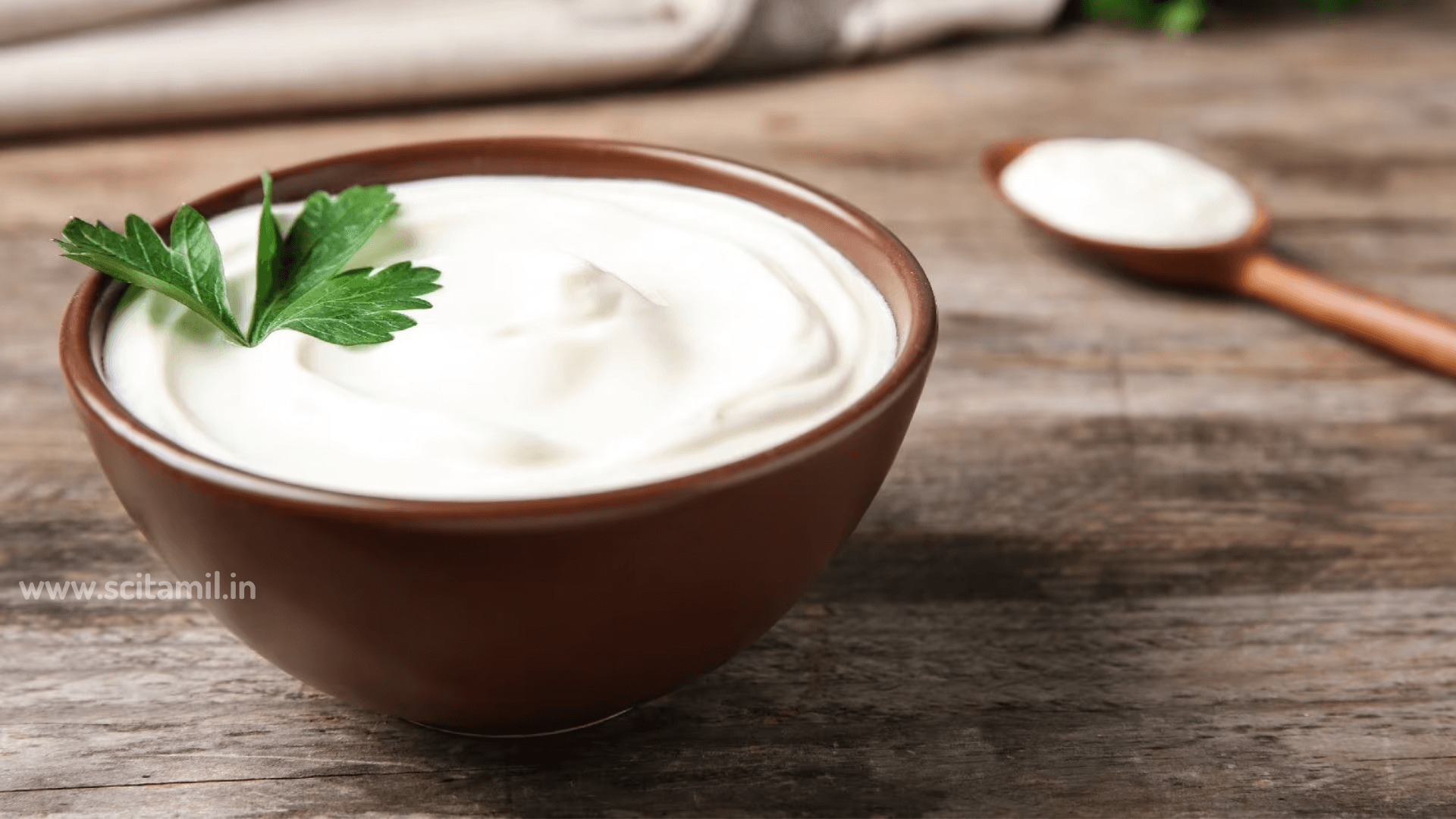
In traditional culinary systems across South Asia and the Mediterranean, fermented dairy occupies an indispensable role on the dining table. From wholesome bowls of homemade curd to Greek yogurt and churned buttermilk, these fermented staples provide concentrated bioavailable calcium, complete dairy proteins, and billions of beneficial live probiotic cultures. Yet, despite curd’s revered nutritional status, an enduring cultural caution persists: ‘Never eat curd at night; it causes heavy congestion, disturbs digestion, and encourages unwanted weight gain.’ For generations, this nighttime dietary restriction has circulated through families, prompting health-conscious individuals to question whether evening curd is a nourishing habit or a digestive misstep [1] [2].
Modern nutritional science and gastroenterological research reveal a nuanced physiological picture. While curd is biologically incapable of spontaneously creating viral respiratory pathogens or colds, its unique physicochemical characteristics, including high casein density, lactic acidity, fat emulsion, and ambient serving temperature, interact distinctively with our nocturnal circadian biology. When eaten under the right biochemical conditions, curd provides slow-release amino acids that repair tissue and amino acid precursors that facilitate restorative slumber. Conversely, improper consumption timing or high acidity can exacerbate gastroesophageal reflux. This comprehensive clinical guide unpacks the molecular science of nighttime curd consumption, separating cultural mythology from evidence-based physiology [1] [3].
The Molecular Architecture of Curd: Fermentation and Gut Ecology
To evaluate how curd behaves in the human gastrointestinal tract after sunset, one must first appreciate the biochemistry of milk fermentation. When lactic acid bacteria, predominantly strains of Lactobacillus bulgaricus and Streptococcus thermophilus, are inoculated into lukewarm milk, they metabolize lactose disaccharides into lactic acid. This metabolic acidification gradually drops the milk pH from approximately 6.7 down to 4.5. At this critical isoelectric threshold, casein micelles lose their negative surface charge and aggregate into a delicate, hydrated semi-solid protein matrix [1].
This biological transformation fundamentally alters digestibility. In raw milk, intact lactose requires substantial mucosal lactase enzymes in the small intestine for breakdown. During curd fermentation, the bacterial cultures consume between thirty and forty percent of native lactose while producing exogenous beta-galactosidase enzymes that survive gastric transit. Consequently, individuals who experience abdominal bloating or flatulence from drinking conventional liquid milk frequently tolerate fresh curd without gastrointestinal distress [2].
Furthermore, lactic acid fermentation generates short-chain fatty acids, bioactive peptides, and conjugated linoleic acids (CLA). As these probiotic organisms colonize the colonic mucosa, they fortify the mucosal epithelial barrier, stimulate tight junction claudin proteins, and suppress opportunistic enteropathogens through competitive exclusion. Ingesting these live cultures introduces immunomodulatory signals that calibrate mucosal-associated lymphoid tissue (MALT), reinforcing systemic immune vigilance while downregulating chronic low-grade systemic inflammation [1].
Does Nighttime Curd Cause Mucus and Colds? Medical Reality vs Myth
The most pervasive argument against evening curd consumption is the belief that it generates excessive ‘phlegm’ (mucus) and precipitates upper respiratory infections. From a microbiological standpoint, the common cold, acute rhinitis, and pharyngitis are exclusively caused by infectious viruses, such as rhinoviruses, coronaviruses, and adenoviruses. An edible fermented dairy food cannot synthesize or deposit viral particles into the respiratory tract. However, sensory physiology and gastroenterology explain why this physical perception arose historically [4] [5].
When high-fat or viscous dairy liquids coat the mucosal surfaces of the oral cavity and hypopharynx, dairy fat globules blend temporarily with salivary mucin glycoproteins. This emulsion transiently increases the thickness and surface tension of oral secretions, creating a fleeting tactile perception of viscous throat coating. In susceptible individuals, cold fluids ingested directly from a modern refrigerator can trigger sensory thermoreceptors and vagal reflexes that cause brief mucosal vasoconstriction and mild coughing, which many misinterpret as the onset of a respiratory illness [4].
The second and more clinically significant mechanism involves nocturnal gastroesophageal reflux disease (GERD). During daytime upright postures, gravity assists the lower esophageal sphincter (LES) in keeping gastric contents sequestered in the stomach. When a person consumes highly acidic, refrigerated curd within an hour or two of lying down in bed, gastric acid secretion peaks during recumbency. Lactic acid combined with gastric hydrochloric acid can overcome transient lower esophageal sphincter relaxations, allowing microscopic acidic aerosols to contact the sensitive larynx and vocal cords. This phenomenon, known as laryngopharyngeal reflux (LPR), triggers chronic throat clearing, morning hoarseness, and persistent nighttime tickling, reinforcing the mistaken belief that curd created a chest cold [5].
Casein Protein Kinetics: Sustained Overnight Muscle Recovery
Far from being inherently harmful at night, curd provides distinct metabolic advantages for skeletal muscle preservation and nocturnal repair. Whole cow or buffalo milk consists of approximately eighty percent casein protein and twenty percent whey protein. When curd reaches the gastric chamber, the acidic gastric environment causes micellar casein to form an insoluble gel clot. This unique clot structure resists rapid enzymatic cleavage, significantly slowing gastric emptying rates compared to rapidly absorbed whey protein or liquid carbohydrates [3].
Clinical trials published in Medicine & Science in Sports & Exercise have demonstrated that consuming slow-digesting casein protein approximately thirty minutes before nocturnal sleep induces a prolonged, steady rise in circulating plasma essential amino acids. Rather than causing a sharp, transient hyperaminoacidemia that dissipates in two hours, nighttime casein provides a stable, seven-to-eight-hour trickle of leucine and other vital amino acids throughout the sleeping fasting window. This continuous substrate supply stimulates muscle protein synthesis (MPS) and blunts nocturnal muscle protein breakdown, making evening curd an exceptional nutritional strategy for athletes, active adults, and older individuals battling age-related sarcopenia [3].
Moreover, the slow digestion rate of casein prevents nocturnal hypoglycemia. In individuals with erratic evening glucose fluctuations, a modest portion of unsweetened whole curd stabilizes circulating blood sugar, eliminating the compensatory surge of midnight cortisol and epinephrine that often jolts people awake between 2:00 AM and 4:00 AM with palpitations or sudden hunger [2] [3].
| Physiological Parameter | Lunch Consumption (Noon–2 PM) | Late Dinner Consumption (After 8:30 PM) | Clinical Recommendation |
|---|---|---|---|
| Digestive Enzyme Activity | Maximal pancreatic amylase and gastric protease secretion; optimal rapid assimilation. | Diminished basal gastric motility; slower protein cleavage in recumbent postures. | Ideal timing for heavy, concentrated curd dishes. |
| Lactic Acidity & Reflux Risk | Upright posture prevents reflux; gastric acid neutralizes midday bolus smoothly. | Sour curd combined with horizontal sleeping can irritate the lower esophageal sphincter. | Consume fresh (sweet) curd only; eat 2 hours prior to bed. |
| Amino Acid Utilization | Amino acids partitioned toward daytime physical activity, cognitive tasks, and energy. | Casein clots slowly release leucine across 7–8 hours, fueling nocturnal cellular repair. | Exceptional for post-workout recovery and sarcopenia prevention. |
| Thermoregulatory Response | High specific dynamic action dissipates cleanly in active daytime ambient surroundings. | Directly chilled refrigerator curd triggers reflex mucosal vasoconstriction. | Bring curd to room temperature before evening consumption. |
Neurochemical Sleep Regulation: Tryptophan, Melatonin, and GABA
One of the most remarkable, scientifically verified benefits of evening curd is its capacity to enhance sleep quality through neurochemical modulation. Dairy products represent one of the richest dietary sources of the essential amino acid L-tryptophan. Tryptophan serves as the obligate biological precursor for the synthesis of serotonin (5-hydroxytryptamine), the primary neurotransmitter governing mood stability and emotional calm, which the pineal gland subsequently acetylates and methylates into melatonin, the master hormone controlling circadian sleep-wake cycles [4].
However, circulating tryptophan faces intense competition from other large neutral amino acids (such as valine, leucine, and isoleucine) for transport across the blood-brain barrier via the L-type amino acid transporter 1 (LAT1). In curd, the fermentation process generates small bioavailable bioactive peptides that optimize the tryptophan-to-neutral-amino-acid ratio. Concurrently, curd provides abundant ionized calcium, an essential micronutrient cofactor required for the enzymatic conversion of tryptophan into 5-hydroxytryptophan by tryptophan hydroxylase [4].
Additionally, specific probiotic lactic acid bacteria, including strains of Lactobacillus brevis and Bifidobacterium, synthesize gamma-aminobutyric acid (GABA) directly within the gut lumen during fermentation. GABA is the central nervous system’s chief inhibitory neurotransmitter, responsible for dampening neuronal excitability, diminishing psychological anxiety, and inducing somatic physical relaxation. Through the bidirectional vagus nerve communication of the gut-brain axis, these fermented neuroactive compounds signal hypothalamic sleep centers, promoting deeper slow-wave non-REM sleep architecture [1] [4].
Weight Loss and Satiety: Does Evening Curd Promote Fat Gain?
The assumption that eating curd at night inevitably causes weight gain stems from the broader misconception that all evening calories convert directly into adipose tissue. In reality, body composition shifts are governed by 24-hour thermodynamic energy balance, macronutrient partitioning, and hormonal signaling. Curd possesses several distinct physiological characteristics that make it an exceptional ally for weight management when incorporated mindfully [2].
First, the high protein density of curd elicits a substantial satiety signal. When casein enters the duodenum, it stimulates the enteroendocrine secretion of peptide YY (PYY) and glucagon-like peptide-1 (GLP-1) while simultaneously suppressing the hunger hormone ghrelin. This hormonal cascade sends potent fullness signals to the arcuate nucleus in the hypothalamus, extinguishing late-night cravings for hyper-palatable ultra-processed snacks, potato chips, or sugary confectionery [2].
Second, dairy calcium exerts an anti-lipogenic effect. Intracellular calcium concentrations within adipocytes regulate fatty acid synthase and lipolysis. High dietary calcium intake forms insoluble calcium fatty acid soaps in the intestinal lumen, causing a modest proportion of dietary saturated fats to be excreted unabsorbed rather than stored. Large-scale longitudinal cohort studies in the European Journal of Clinical Nutrition confirm that regular, unsweetened yogurt and curd consumption inversely correlates with visceral adiposity and waist circumference over five-year observational horizons [2].
Evidence-Based Guidelines: How to Consume Curd at Night Safely
To capture the profound probiotic, muscular, and neurochemical advantages of evening curd while avoiding digestive heaviness or acid reflux, clinical nutritionists recommend several simple physiological adjustments. First, temperature control is paramount. Never eat curd straight from the refrigerator at night; allow it to rest at room temperature for fifteen to twenty minutes before eating. Frigid temperatures shock the gastric mucosa, inhibit salivary digestive enzymes, and heighten respiratory sensory sensitivity [4] [5].
Second, prioritize freshness over age. As curd sits in refrigeration over several days, continuous bacterial fermentation escalates lactic acid concentrations, producing a sharply sour taste that increases acid reflux potential. Opt for fresh, mildly set curd prepared within the preceding twelve to twenty-four hours. Third, avoid adding refined table sugar. Simple sugars feed opportunistic gut microbes, trigger rapid insulin surges that oppose nighttime fat oxidation, and disrupt sleep architecture. Instead, temper curd with traditional carminative spices: a pinch of roasted cumin powder (jeera), cracked black pepper, or grated ginger. Cumin and black pepper stimulate pancreatic digestive enzymes and accelerate gastric transit [1] [5].
Finally, respect the two-hour recumbency rule. Consume your evening meal, including curd, at least two full hours before lying flat in bed. This window ensures that initial gastric digestion proceeds smoothly while upright, preventing acidic regurgitation and allowing you to sleep peacefully while the slow-release casein and probiotics work their overnight restorative magic on your muscles, gut, and brain [2] [3].
Frequently Asked Questions
Common reader questions about this study
Does eating curd at night directly cause respiratory colds or chest congestion?
From a virological standpoint, curd cannot create viral infections or clinical colds. However, cold dairy fats can stimulate vagal afferents in the pharynx, creating a transient sensation of mucosal thickness, while nocturnal reflux can irritate the laryngeal lining in sensitive individuals.
Why is curd considered beneficial for overnight muscle recovery?
Curd is rich in micellar casein protein, which clots in the acidic environment of the stomach. This structure slows gastric emptying, providing a steady, continuous influx of essential amino acids into systemic circulation across an eight-hour sleeping window.
How can people with sensitive digestion safely consume curd in the evening?
Individuals prone to bloating or acid reflux should consume fresh, non-sour curd at room temperature rather than straight from the refrigerator. Thinning curd into spiced buttermilk with roasted cumin, black pepper, and ginger aids enzymatic digestion.
Can people with mild lactose intolerance tolerate evening curd?
Yes. The active bacterial cultures (Lactobacillus delbrueckii subsp. bulgaricus and Streptococcus thermophilus) ferment the majority of milk lactose into lactic acid, making curd easily digestible for those with mild lactase deficiency.
References
- ↩ Nutrients: Fermented Foods, Gut Microbiota and Health Across the Lifespan
- ↩ European Journal of Clinical Nutrition: Yogurt consumption, body weight, and metabolic health: a comprehensive review
- ↩ Medicine & Science in Sports & Exercise: Pre-sleep protein ingestion increases overnight muscle protein synthesis rates
- ↩ Nutritional Neuroscience: The role of dietary tryptophan and fermented dairy peptides in sleep architecture
- ↩ World Journal of Gastroenterology: Dietary habits, dairy consumption, and risk factors for nocturnal gastroesophageal reflux

No comments yet. Be the first to join the conversation.