



Key Findings
- Tubeless tyres reduce explosive highway blowout risks by up to 90% via halobutyl inner liner air retention.
- Eliminating internal tube-casing friction lowers tyre operating temperatures by 15-20°C on highways.
- Lower rolling resistance in tubeless assemblies yields a 5-8% improvement in vehicular fuel efficiency.
- Puncture repairs on tubeless tyres take under 5 minutes externally without dismounting the wheel.
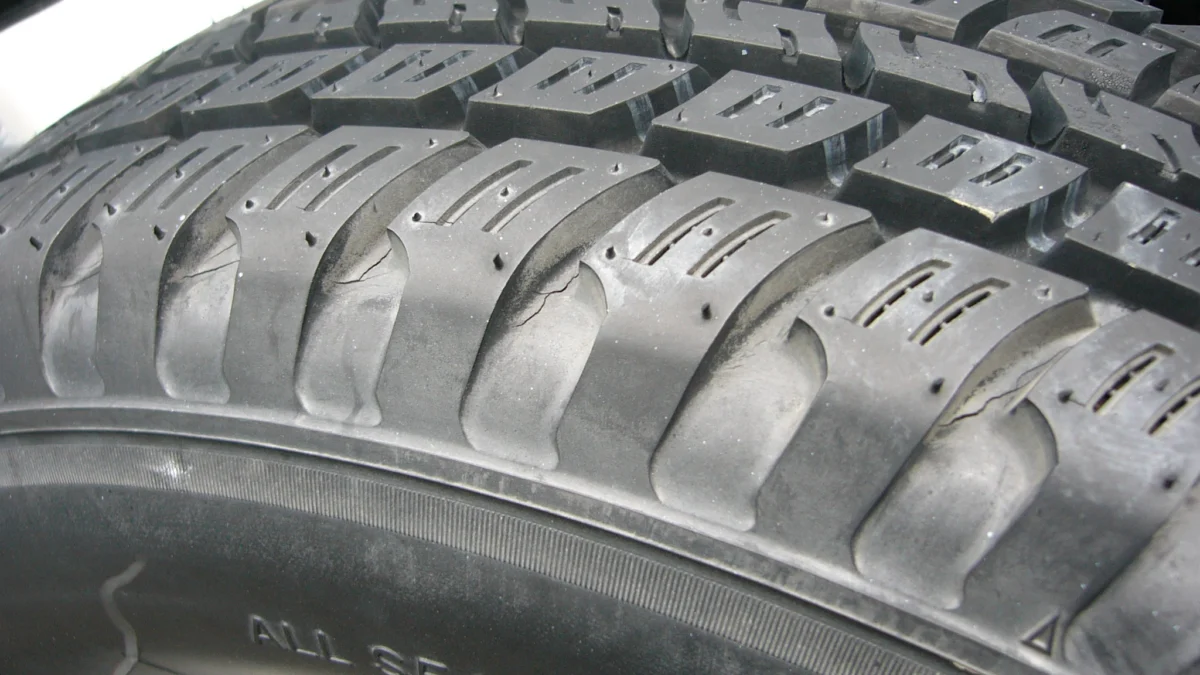
Whether purchasing a new electric or commuter vehicle, preparing for highway touring, or replacing worn rubber on a daily commuter, motorists inevitably face a foundational mechanical decision: should they fit conventional tube-type tyres or upgrade to modern tubeless tyres? In automotive engineering, tyre selection extends far beyond mere convenience. As the singular mechanical interface linking a vehicle chassis to the tarmac, tyres dictate braking distances, directional stability, fuel efficiency, and highway survival during catastrophic road debris impacts [1].
Decades of automotive safety data compiled by the Society of Automotive Engineers (SAE International) and the British Standards Institution (BSI) demonstrate that tubeless tyres reduce high-speed blowout crash risks by up to 90 percent compared to conventional tube configurations [1, 2]. By replacing an independent inner inflatable bladder with an integrated airtight halobutyl inner liner and hermetically sealed wheel rim, tubeless engineering innovation fundamentally alters how tyres manage internal pneumatic pressure, structural friction, and thermal dissipation [3].
- Reduction in Sudden Explosive Blowout Risk
- Improvement in Fuel Efficiency via Lower Rolling Drag
- Cooler Operating Temperature on Highways
- Average Unsprung Mass Saved per Wheel Assembly
Structural Anatomy: How Tube and Tubeless Tyres Function
To grasp why the automotive industry has systematically phased out tube-type tyres across passenger vehicles, one must analyze their mechanical anatomy. A traditional tube-type tyre consists of three distinct components: an outer structural casing made of reinforced rubber treads and steel or fabric ply cords, an inner inflatable bladder (the tube) fabricated from thin, elastic butyl rubber, and a wheel rim. The inner tube holds compressed air, while the outer casing provides structural rigidity, traction, and protection against abrasion. When compressed air is pumped through the brass valve stem, the tube expands against the interior casing walls, maintaining inflation pressure [1].
In contrast, a tubeless tyre eliminates the separate inner tube entirely. Instead, the interior surface of the tyre casing is lined with a permanently vulcanized, micro-thin sheet of specialized halogenated butyl rubber (halobutyl), known as the inner liner. This impermeable barrier prevents compressed air molecules from diffusing through the porous carcass plies. An airtight seal is formed directly between the reinforced tyre bead bundles and the precision-machined bead seat of the wheel rim. A dedicated, rubber-grommeted airtight valve stem is secured directly into the wheel rim itself, creating a unified, airtight pneumatic chamber [2].
The Physics of Puncture Resistance and Sudden Blowouts
The primary advantage of tubeless tyre engineering lies in its fail-safe behaviour during foreign object penetrations. In a conventional tube tyre, the inner rubber bladder is held under immense tension, stretched tautly against the inner tyre walls. When a sharp steel nail, glass shard, or road debris punctures the outer tread and breaches the tube, the thin elastomeric bladder tears violently, much like a stretched balloon poked with a needle. Compressed air rapidly escapes through the puncture hole into the open casing cavity, rushing out instantly around the valve stem hole in the rim. This sudden depressurization, termed an explosive tyre blowout, causes instantaneous loss of steering control, severe vehicle yaw, and rollover crashes at highway velocities [1, 4].
A tubeless tyre behaves completely differently when punctured. Because the vulcanized halobutyl liner is not under independent tensile stretching, it grips tightly around the penetrating nail or screw. Rather than tearing, the dense elastomer seals closely against the foreign object. Air cannot escape around the rim because the bead remains hermetically seated. Instead, air bleeds out at a minuscule, controlled rate, often requiring hours or days to cause noticeable deflation. This slow, predictable pressure drop allows motorists to maintain vehicle trajectory, steer safely to the shoulder, or drive several kilometres to a service bay without losing vehicular control [2].
Rolling Resistance, Fuel Efficiency, and Thermal Dissipation
Beyond safety, tubeless tyre technology provides substantial thermodynamic and aerodynamic advantages. During high-speed highway cruising, tyres undergo continuous cyclic deformation as tread blocks rotate into contact with the road. In tube tyres, this continuous flexing induces friction between the inner tube’s outer surface and the tyre carcass’s interior wall. This internal mechanical friction generates intense parasitic heat, elevating operating carcass temperatures by 15 to 25 degrees Celsius above ambient thresholds [4].
Excessive internal heat accelerates tread degradation, weakens adhesive bonds between rubber plies, and increases pneumatic pressure volatility. Furthermore, internal friction increases rolling resistance, demanding greater engine torque and burning extra fuel. Tubeless tyres eliminate inter-layer friction entirely. The direct contact between compressed air and the wheel rim facilitates rapid convective heat dissipation through the metal alloy or steel wheel. Automotive dynamometer testing indicates that lower rolling resistance in tubeless assemblies enhances fuel efficiency by 5 to 8 percent over the tyre’s operational lifespan [3].
Comprehensive Comparison: Tube vs Tubeless Engineering
The engineering distinctions between traditional tube assemblies and modern tubeless systems illustrate why tubeless tyres dominate modern automotive design:
| Engineering Parameter | Conventional Tube Tyre | Modern Tubeless Tyre |
|---|---|---|
| Puncture Deflation Rate | Instantaneous, explosive pressure loss | Slow, gradual micro-leakage over hours |
| Unsprung Mass | Heavier due to separate rubber tube (+0.8 kg) | Lighter; improves suspension damping response |
| Operating Temperature | Higher due to internal friction (+15-20°C) | Cooler; direct convective dissipation through rim |
| On-Road Repairability | Demands wheel removal, tyre dismounting, tube patch | Quick 5-minute external tyre plug without removal |
| Low-Pressure Capability | High risk of valve tear and tube pinch flats | Tolerates moderate pressure drops without tube tearing |
Maintenance, Puncture Repair Kits, and Liquid Sealants
Repairing a puncture in a tube tyre is an arduous, labour-intensive procedure. The driver must jack up the vehicle, unbolt the lug nuts, dismount the wheel, pry the tyre bead off the rim using heavy tyre levers, extract the inner tube, submerge it in water to locate the bubbling leak, vulcanize a rubber patch, reinsert the tube, reseat the tyre bead, and reinflate the tyre. In adverse weather conditions or on isolated highways, this task presents substantial physical and logistical burdens [2].
Conversely, repairing a punctured tubeless tyre is remarkably straightforward and requires zero wheel dismounting. Using an inexpensive puncture repair kit, the motorist locates the penetrating nail, removes it with pliers, cleans the puncture channel with a reamer tool, and inserts an elastomeric butyl strip coated with vulcanizing cement directly into the hole using an insertion fork. Once trimmed flush with the tread, the plug permanently bonds with the surrounding rubber casing within minutes. Furthermore, many modern motorcyclists and adventure drivers inject preventative liquid tyre sealants, glycol-based fluids infused with silica micro-fibres, into the tyre cavity. When a puncture occurs, outgoing air pressure forces the sealant into the hole, coagulating instantly to plug punctures up to 6 millimetres in diameter automatically while driving [1].
Wheel Rim Compatibility: Spoke Wheels vs Alloy Wheels
While tubeless tyres represent the universal standard across passenger automobiles, their adoption across two-wheeled motorcycles involves specific rim compatibility criteria. Tubeless tyres require a hermetically sealed rim bed and precision bead retention ridges (humps) to maintain airtight seating. Cast or forged alloy wheels provide an impenetrable metallic surface perfectly suited for tubeless valve stems and bead sealing [3].
In contrast, traditional spoked wire wheels, commonly found on classic roadsters, off-road adventure enduros, and motocross motorcycles, feature dozens of spoke nipples penetrating directly through the rim well. Each spoke nipple hole represents an unsealed air escape path. Consequently, conventional spoked rims require an inner tube to hold compressed air. However, modern high-end adventure motorcycles now incorporate cross-spoke wheels, where spokes anchor into exterior flanges outside the airtight tyre bead, allowing adventure riders to enjoy both the spoke flexibility needed for rock impacts and the puncture safety of tubeless tyres [2].
Modern tyre safety engineering is increasingly augmented by Tire Pressure Monitoring Systems (TPMS). Direct TPMS sensors installed inside the tubeless valve stem transmit real-time pneumatic pressure and internal cavity temperatures via radio frequency to the vehicle’s electronic instrument cluster. Because tubeless punctures manifest as slow micro-leaks rather than rapid blowouts, TPMS alerts motorists to subtle 2-to-3 PSI drops long before the tyre exhibits visible deformation. This early diagnostic window prevents motorists from inadvertently operating on under-inflated tyres, eliminating carcass sidewall overheating and preserving tyre structural longevity [1].
Making the Right Choice: Highway Safety and Economic Longevity
From an automotive engineering and long-term economic standpoint, tubeless tyres are unequivocally superior for virtually all highway, city commuter, and performance applications. The marginal additional cost of tubeless fitment is overwhelmingly offset by extended casing life, reduced fuel consumption, and the prevention of catastrophic roadside stranding. More importantly, the fail-safe deflation dynamics of tubeless tyres transform a potentially fatal blowout into a minor, manageable maintenance event [1].
While inserting an inner tube into a damaged tubeless tyre may serve as a temporary emergency measure to limp a vehicle home when a sidewall tear prevents rim sealing, automotive safety standards strictly advise against permanent tube installation inside tubeless casings. The rough inner textured ribs of tubeless tyres rapidly chafe against thin rubber tubes, creating friction heat and inducing premature blowouts. Equipping vehicles with authentic tubeless tyres mounted on certified rims remains one of the simplest and most effective vehicle safety decisions a motorist can make [2].
Frequently Asked Questions
Can I put an inner tube inside a tubeless tyre?
It can be done as a temporary emergency measure to limp home. However, running a tube inside a tubeless tyre permanently causes intense friction heat between the inner ribbed liner and the tube, significantly increasing blowout risks.
Why don't tubeless tyres lose air immediately when punctured by a nail?
The inner liner is made of dense, elastic halobutyl rubber that tightly clamps around the penetrating nail, preventing rapid air escape and allowing only slow, gradual deflation over hours or days.
Can tubeless tyres be fitted to spoke wheels?
Standard spoke wheels have holes where spokes enter the rim, which allows air to leak. Tubeless tyres can only be fitted to specialized cross-spoke rims with exterior rim anchoring or wheels converted with airtight sealing kits.
How long does a tubeless tyre puncture plug last?
When installed correctly into tread blocks using vulcanizing cement, a standard butyl plug lasts for the remaining operational lifespan of the tyre tread.
Pneumatic Tire Performance, Pressure Retention and Vehicle Stability
- Journal
- SAE International
- Study Type
- journal
- Year
- 2024
DOI10.4271/2007-01-0814
No comments yet. Be the first to join the conversation.