



Key Findings
- SGLT1 sodium-glucose cotransporters in taste buds fire sweet signals only in the presence of sodium ions.
- Sodium ions selectively suppress TAS2R bitter receptors, unmasking smooth, rounded sucrose flavors.
- A sub-threshold salt concentration of 0.2-0.5% amplifies sweetness without imparting a salty taste.
- Adding trace salt allows up to a 20% reduction in refined sugar while maintaining identical sweetness.
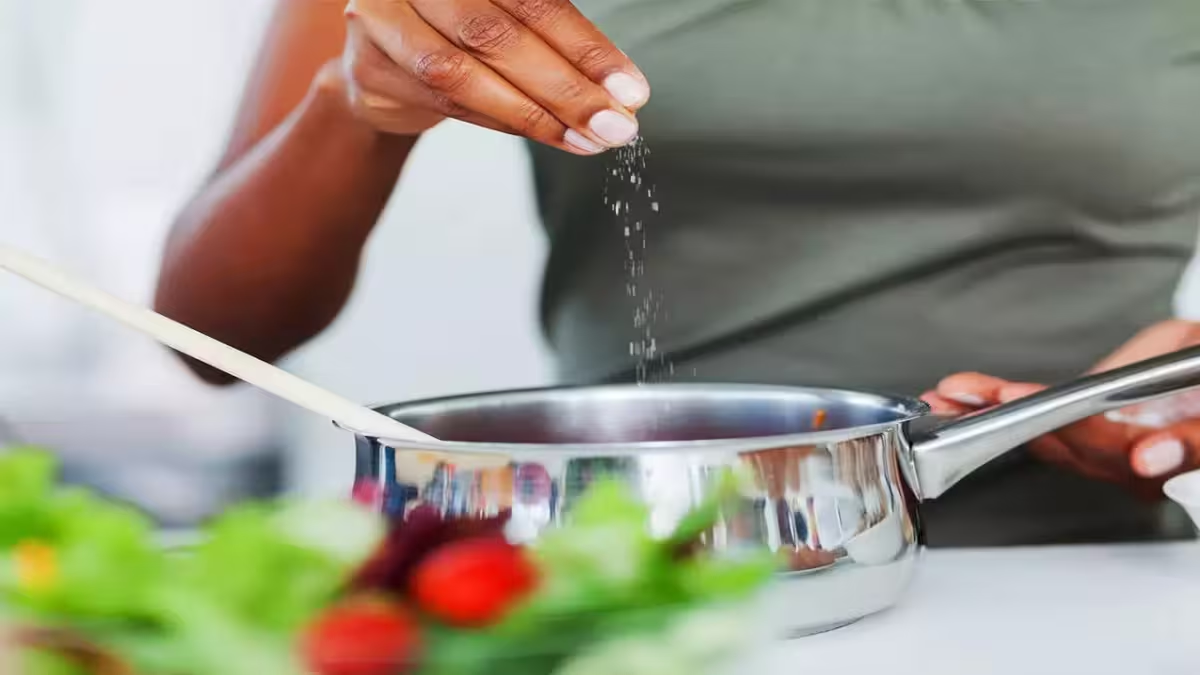
From Parisian master chocolatiers sprinkling fleur de sel over dark ganache to traditional South Indian grandmothers adding a subtle pinch of sea salt into payasam and kesari, an unwritten rule reigns across world culinary heritage: always add a pinch of salt to sweet dishes. At first glance, this culinary practice seems fundamentally counter-intuitive. Salt and sugar represent polar sensory opposites on the human palate. Yet, culinary artisans and pastry chefs have long recognized that a judicious dash of salt does not dilute sweetness; rather, it amplifies and refines it, transforming flat, cloying sugary dishes into vibrant, three-dimensional flavor experiences [1].
For generations, food historians dismissed this practice as an empirical trick of culinary balance. However, pioneering breakthroughs in sensory biophysics and molecular neurobiology have finally uncovered the precise cellular mechanisms at work. The phenomenon is governed by electrogenic sodium-glucose cotransporters (SGLT1) embedded directly within taste buds and the cross-modal suppression of bitter receptor signaling [2]. Understanding the biochemistry of this interaction reveals how trace minerals modulate human gustatory perception.
- Sodium-Glucose Cotransporter Sensor
- Sugar Reduction Possible with a Pinch of Salt
- Bitter Receptors Suppressed by Sodium Ions
- Sodium to Glucose Stoichiometry in SGLT1
The SGLT1 Discovery: The Hidden Sodium-Glucose Sensor in Taste Buds
For decades, gustatory textbooks taught that sweet perception relies exclusively on the heterodimeric G-protein coupled receptor T1R2+T1R3. When sucrose, fructose, or artificial sweeteners bind to this receptor, an intracellular signaling cascade depolarizes the taste cell, sending an electrical impulse along the chorda tympani nerve to the primary gustatory cortex in the brain. However, researchers routinely observed that mice lacking functional T1R receptors could still detect and consume glucose solutions when dietary salt was present [1].
The molecular puzzle was solved when researchers at the Monell Chemical Senses Center discovered that taste receptor cells also express Sodium-Glucose Cotransporter 1 (SGLT1), an electrogenic transport protein previously known primarily for absorbing sugar across intestinal epithelial linings [1]. SGLT1 operates on an obligate co-transport mechanism: it transports two positively charged sodium ions (Na+) across the cellular membrane alongside each single glucose molecule. In the complete absence of sodium ions, SGLT1 remains dormant. But the instant trace sodium ions appear, SGLT1 activates, pulling glucose into the taste cell and triggering an influx of positive electrical charge that fires additional sweet sensory impulses to the brain [2].
Cross-Modal Bitterness Suppression: Silencing TAS2R Receptor Signals
The second molecular pillar explaining salt’s flavor-enhancing power is peripheral bitterness inhibition. In natural whole foods, such as raw cacao in chocolate, tannins in coffee, or dairy whey in custards, sweetness is accompanied by background bitter alkaloid compounds. In landmark sensory investigations led by Paul Breslin and Gary Beauchamp published in Nature, researchers demonstrated that low concentrations of sodium salts suppress bitter taste signals far more effectively than they suppress sweet taste signals [2].
Sodium chloride ions alter cell membrane polarizations and competitively inhibit the G-protein coupled TAS2R bitter receptors distributed across foliate and circumvallate papillae. By blunting the background astringency that would otherwise compete for cognitive attention, sodium ions allow the clean, sweet sucrose notes to emerge with unclouded prominence. A dish that would otherwise taste unpleasantly cloying or slightly sharp becomes smooth, rounded, and harmonious.
This biochemical phenomenon is nowhere more striking than in artisanal chocolate manufacturing. Natural dark chocolate contains substantial concentrations of the methylxanthine alkaloid theobromine, alongside monomeric flavan-3-ols like catechin and epicatechin. In the absence of salt, these intensely bitter phytochemicals bind aggressively to TAS2R receptors, masking delicate vanilla and floral cacao terroirs [2]. By introducing micro-flakes of sea salt, chocolatiers selectively attenuate theobromine bitterness, allowing the natural caramelization notes and fruit complexity of premium single-origin beans to shine with crystalline clarity.
Pure Sugar vs Sugar Balanced with Sodium: Sensory Comparison
The physiological contrast between unaccompanied sucrose and salt-balanced sweets illustrates why trace minerals are essential in pastry science:
| Sensory Attribute | Pure Sugar Formulation (Zero Added Salt) | Sugar Formulation with Trace Sodium (0.2%–0.5% Salt) |
|---|---|---|
| Sweet Receptor Activation | Stimulates solely classical T1R2+T1R3 G-protein receptors. | Dual-pathway stimulation: activates T1R2+T1R3 and fires SGLT1 glucose cotransporters. |
| Bitterness & Off-Notes | Cacao tannins, acidic fruit notes, and dairy off-notes remain unmasked. | Sodium ions actively suppress TAS2R receptors, neutralizing background bitterness [2]. |
| Flavor Profile & Depth | One-dimensional, cloying; rapid sensory fatigue after a few bites. | Multi-layered, complex; accentuates butter caramelization, vanilla, and fruit aromas. |
| Formulation Efficiency | Requires higher total sugar quantities to achieve target perceived sweetness. | Enables 15% to 20% reduction in total refined sugar while maintaining identical perceived sweetness. |
The Goldilocks Concentration: The Fine Line Between Sweetness and Salinity
The magic of salt in sweet formulations depends entirely on concentration thresholds. Gustatory biophysics operates within a precise “Goldilocks zone.” At sub-threshold concentrations, typically between 0.1% and 0.5% by weight, the human palate cannot consciously identify a “salty” flavor [3]. The epithelial sodium channel (ENaC) on salty taste cells remains minimally stimulated, allowing sodium’s positive modulation of SGLT1 and suppression of TAS2R to operate beneath conscious recognition.
However, if salt concentration exceeds 1.0%, the high-affinity ENaC channels fire aggressively, while amiloride-insensitive bitter-salty pathways are recruited. At this point, the sensation of salinity overpowers sweet receptors, turning a delightful dessert into an unpalatable, brine-tasting mistake. Professional bakers calibrate formulations using roughly one-quarter to one-half teaspoon of fine sea salt per batch of dough, custard, or batter to operate squarely within this optimal enhancement window.
Furthermore, the physical crystal morphology of culinary salt influences the temporal dynamics of taste perception. Finely milled table salt dissolves almost instantaneously upon contact with saliva, delivering an immediate, uniform sodium influx that activates SGLT1 synchronously with dissolved sucrose. In contrast, coarse flake salts (such as Maldon sea salt) dissolve slowly and heterogeneously across the oral cavity, creating delightful sensory micro-bursts of salinity that provide dramatic flavor contrast against creamy caramels and fudges [3].
Fruit Chemistry: Why Salt and Chili Transform Watermelon and Pineapple
The practice of sprinkling salt and chili powder onto sliced watermelon, guava, green mango, or pineapple is celebrated across tropical cultures from Mexico to India. While fruit contains natural fructose and glucose, tropical fruits also harbor substantial quantities of organic malic, citric, and oxalic acids, alongside astringent tannins that can produce a stinging sensation on the tongue.
Sprinkling trace salt onto fresh fruit slices accomplishes a dual biochemical triumph. First, the osmotic pull of external salt draws intracellular moisture and aromatic fruit esters to the surface, accelerating volatile aroma release into the nasal cavity [3]. Second, the sodium ions neutralize oral astringency and suppress organic acid sharpness. Simultaneously, the capsaicin in chili triggers mild thermal endorphin release, transforming fresh fruit into an intensely refreshing, multi-sensory treat.
Industrial Reformulation: Cutting Added Sugars with Mineral Science
In modern public health and food technology, reducing population-wide consumption of refined added sugars is a paramount challenge. High-sugar diets drive metabolic dysfunction, hepatic steatosis, and type 2 diabetes. By understanding SGLT1 glucose cotransport mechanics, food scientists are redesigning commercial bakery products, dairy yogurts, and fruit beverages [4].
By micro-encapsulating trace mineral sodium and potassium ions within pastry matrices, manufacturers can reduce overall sucrose content by up to 20% without consumers detecting any drop in perceived sweetness or flavor intensity. This mineral co-transport strategy demonstrates how fundamental molecular biophysics can directly support metabolic wellness without sacrificing culinary joy.
Retro-Nasal Olfaction: Salinity and Volatile Aroma Release
Human flavor perception is a multimodal integration composed of roughly 20% direct tongue gustation and 80% retro-nasal olfaction, the passage of volatile aromatic vapors from the oral cavity upward into the olfactory bulb during mastication and swallowing. Salt directly modulates the volatility of hydrophobic flavor compounds through thermodynamic “salting-out” effects [1].
In aqueous dessert matrices (such as custards, fruit purées, and chocolate mousses), dissolved sodium and chloride ions hydrate intensely, effectively reducing the availability of free water molecules to solvate organic aroma compounds. This forces volatile organic molecules, such as vanillin, butyric lactones, and fruit esters, out of liquid solution and into the oral headspace air. As you chew a salted dessert, a concentrated surge of fragrant vapors travels retro-nasally to olfactory receptors, transforming subtle vanilla, butter, and fruit notes into vivid, explosive flavor dimensions [4].
Structural Physics in Baking: Gluten Cross-Linking and Caramelization
In pastry science and baking, salt plays structural roles that transcend pure flavor perception. When preparing enriched doughs for cakes, cookies, and brioche, flour proteins glutenin and gliadin must form an elastic gluten matrix to capture carbon dioxide bubbles produced by chemical leaveners or yeast [3].
Sodium ions neutralize localized negative electrical charges along gluten protein chains, allowing adjacent protein strands to slide closer together and form dense, orderly disulfide bonds. This electrostatic stabilization creates a resilient gluten matrix that prevents baked desserts from collapsing into soggy textures. Furthermore, in yeast-leavened sweet doughs (such as cinnamon rolls and festive brioches), salt acts as an osmotic governor, retarding excessive yeast fermentation to ensure a uniform crumb structure and preventing sugar from being consumed prematurely before crust caramelization occurs.
By understanding how trace mineral sodium unlocks dormant sugar receptors and silences competing bitter taste pathways, cooks and pastry chefs gain scientific command over their creations. Adding that simple, unpretentious pinch of salt is not an intuitive superstition; it is a masterclass in molecular biology that harmonizes taste, texture, and aroma into culinary perfection.
To explore related food chemistry phenomena, read our technical breakdown of taste receptor neurobiology and coffee chemistry, explore the physical mechanics of food preparation in our guide to food physics and thermodynamic expansion, and discover how spices interact with digestion in our analysis of digestive health and bioactive spice chemistry.
Frequently Asked Questions
Why does a pinch of salt make sweet dishes taste sweeter?
Sodium ions activate the SGLT1 glucose sensor in taste cells, causing an extra influx of electrical signals to the brain while simultaneously suppressing bitter receptor off-notes.
Can I substitute table salt with rock salt or sea salt in sweets?
Yes. Any food-grade sodium chloride salt works. High-purity fine sea salt or kosher salt is preferred by pastry chefs because it dissolves evenly without leaving harsh mineral aftertastes.
Does adding salt to fruit really enhance its natural sweetness?
Yes. Salt suppresses background tartness and draws flavorful aromatic fruit juices to the surface via osmosis, making watermelon, pineapple, and guava taste significantly sweeter.
Will adding too much salt make sweets unhealthy?
The amount needed to enhance sweetness is minute, a tiny pinch (less than 0.5 grams) across an entire multi-serving recipe. It adds negligible dietary sodium while allowing you to use less refined sugar.
Sources and Academic References
The Sodium-Glucose Cotransporter SGLT1 is an Electrogenic Glucose Sensor in Sweet Taste Receptor Cells
- Journal
- PNAS
- Study Type
- Journal Article
- Year
- 2011
DOI10.1073/pnas.1104837108
Salt Enhances Flavour by Suppressing Bitterness
- Journal
- Nature
- Study Type
- Journal Article
- Year
- 1997
DOI10.1038/42388
Glucose Transporters are Expressed in Taste Receptor Cells
- Journal
- Journal of Anatomy
- Study Type
- Journal Article
- Year
- 2011
DOI10.1111/j.1469-7580.2011.01385.x
Cross-Modal Interactions in Sweet and Salty Taste Perception
- Journal
- Appetite
- Study Type
- Journal Article
- Year
- 2017
DOI10.1016/j.appet.2017.05.021

No comments yet. Be the first to join the conversation.