


Key Findings
- Clinical trials reveal that daily tamarind consumption enhances urinary excretion of toxic fluoride ions, protecting skeletal and dental tissues against fluorosis.
- Tamarind is a rare culinary fruit rich in natural tartaric acid, a non-volatile organic acid that stimulates digestive salivary enzymes and gastric motility.
- Tamarind seed and pulp proanthocyanidins suppress LDL oxidation, enhance hepatic antioxidant enzymes, and reduce atherosclerotic plaque formation.
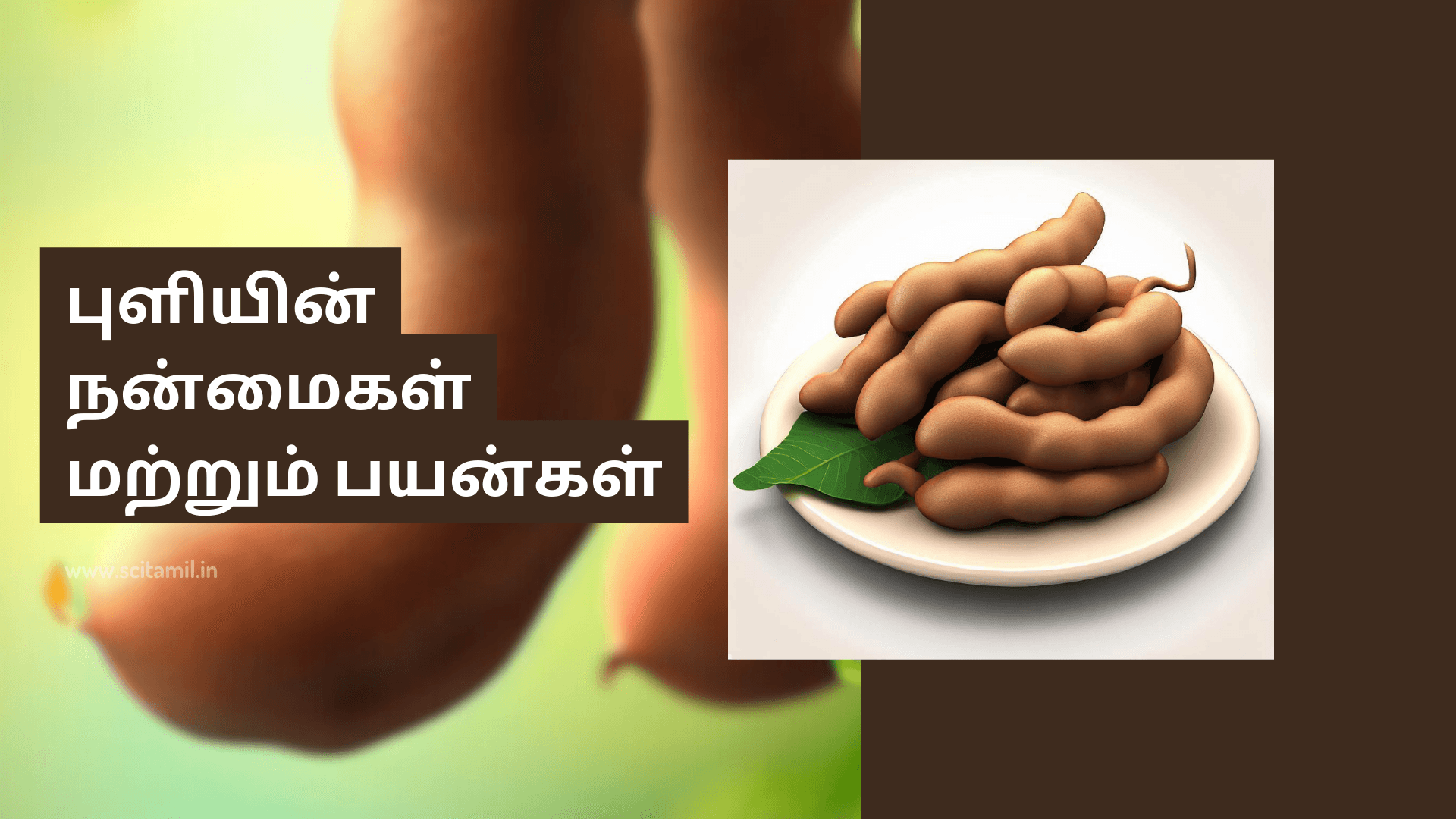
In culinary traditions spanning South Asia, Southeast Asia, the Middle East, and tropical Latin America, few ingredients impart the signature sour-sweet depth of tamarind (Tamarindus indica). Encased within brittle brown pods that hang from majestic evergreen legume trees, tamarind pulp has served as the acidic backbone of curries, chutneys, stews, and medicinal decoctions for over two thousand years. Yet, modern biomedical research and nutritional pharmacognosy have revealed that this humble pod is far more than a tangy culinary souring agent [1] [2].
Tamarind is a rare botanical repository of concentrated natural dicarboxylic organic acids, predominantly tartaric acid, malic acid, and citric acid, interwoven with a potent matrix of polyphenolic flavonoids, essential minerals, and pectin polysaccharides. From accelerating the elimination of neurotoxic fluoride ions from skeletal tissue to optimizing gastrointestinal enzymatic secretions and protecting the vascular endothelium from atherogenic plaque formation, tamarind represents one of nature’s most sophisticated functional foods. This clinical guide explores the nutritional biochemistry and evidence-based health benefits of tamarind [1] [3].
Botanical Heritage of Tamarindus indica: From Ancient Pod to Modern Science
Originating in the dry savannahs of tropical Africa and domesticated thousands of years ago across the Indian subcontinent, Tamarindus indica belongs to the Fabaceae (legume) botanical family. Unlike common pulse crops harvested for dried seeds, the prized culinary component of tamarind is the thick, sticky, reddish-brown mesocarp pulp that surrounds the hard, glossy seeds inside the pod [2].
Historically classified in ancient Ayurvedic, Siddha, and Unani texts as a cooling, digestive, and anti-bilious therapeutic fruit, tamarind was prescribed to stimulate sluggish digestive fires, relieve chronic constipation, and counteract heat exhaustion. In the nineteenth and twentieth centuries, European and Asian pharmacopeias formally recognized tamarind fruit pulp as a gentle laxative and febrifuge. Contemporary chemical analyses have identified more than eighty unique bioactive volatile and non-volatile compounds within tamarind pulp and seeds, confirming the empirical wisdom of historical medical practitioners [2] [4].
The Fluoride Excretion Phenomenon: Reversing Skeletal and Dental Fluorosis
Among the most remarkable discoveries in modern nutritional epidemiology is tamarind’s capacity to facilitate the excretion of systemic fluoride. Fluorosis is a debilitating, widespread environmental public health crisis affecting tens of millions of people worldwide, particularly in arid regions where groundwater naturally leaches excessive concentrations of inorganic fluoride from surrounding rock strata. Chronic ingestion of fluoride-dense drinking water leads to dental fluorosis (enamel mottling and pitting) and crippling skeletal fluorosis, characterized by severe bone calcification, ligament ossification, arthritic deformities, and neurological compression [1].
In a landmark randomized clinical intervention published in the European Journal of Clinical Nutrition, researchers investigated the physiological impact of dietary tamarind supplementation on healthy human subjects residing in endemic fluorosis communities. Subjects consumed ten grams of tamarind fruit pulp daily integrated into their regular meals over a three-week experimental period [1].
The clinical findings were startling. Supplementation with tamarind led to a highly statistically significant increase in the 24-hour urinary excretion of fluoride ions compared to the baseline control period. Simultaneously, tamarind ingestion significantly increased the urinary excretion of magnesium and copper, while maintaining calcium and phosphorus balance. Biomechanical follow-up analyses confirmed that the natural organic acids and mineral chelators in tamarind mobilize fluoride ions bound within bone apatite crystals, transporting them into renal circulation for safe urinary elimination. This remarkable chelating capability positions tamarind as an indispensable, cost-effective dietary intervention in communities exposed to contaminated groundwater [1] [2].
Tartaric Acid and Digestive Dynamics: Natural Acidification and Peristalsis
The distinctive, sharp tang of tamarind is primarily attributable to tartaric acid (L-(+)-tartaric acid), a dicarboxylic acid that constitutes between 8% and 12% of the fruit pulp’s total weight. Tamarind is unique in the plant kingdom as one of the few edible fruits to accumulate tartaric acid in such extraordinarily high concentrations, where it exists in both free form and as potassium bitartrate (cream of tartar) [2] [5].
From a digestive standpoint, tartaric acid exerts several key physiological actions:
- Salivary and Gastric Stimulation: The low pH of tartaric acid triggers gustatory receptors on the tongue, stimulating the glossopharyngeal nerve to initiate rapid reflex secretions of saliva rich in salivary amylase and lingual lipase. In the stomach, it prompts parietal cells to maintain optimal gastric acidity required for pepsin activation.
- Natural Osmotic Regulation: Unlike simple sugars, tartaric acid is absorbed slowly in the upper gastrointestinal tract. As it travels into the large intestine, it exerts a gentle, non-irritating osmotic pull that draws water into the intestinal lumen, softening the fecal mass.
- Enhanced Peristalsis: Together with tamarind’s soluble pectin fibers and malic acid, tartaric acid stimulates smooth muscle contraction along the colonic wall, alleviating chronic sluggish constipation without the cramping often caused by harsh stimulant laxatives like senna.
Furthermore, tartaric acid functions as a powerful natural antioxidant. Because of its dicarboxylic structure, it readily chelates transition metal ions such as free copper and iron, preventing these metals from catalyzing Fenton reactions that generate destructive hydroxyl free radicals in the mucosal lining of the gastrointestinal tract [2] [5].
Lipid Regulation and Atherosclerosis Defense: Proanthocyanidins and Flavonoids
Cardiovascular disease and hyperlipidemia represent the leading global causes of premature mortality. Emerging pharmacological studies have highlighted tamarind’s potent anti-atherosclerotic and cardioprotective properties. The deep reddish-brown pigments of tamarind pulp and seed coats are packed with high-molecular-weight condensed tannins known as oligomeric proanthocyanidins, along with flavonoids including catechin, epicatechin, taxifolin, and luteolin [2] [4].
In animal models of diet-induced hypercholesterolemia, administration of tamarind extract led to a profound reduction in total serum cholesterol, low-density lipoprotein (LDL) cholesterol, and circulating triglycerides, accompanied by a significant elevation in high-density lipoprotein (HDL) cholesterol. Enzymatic assays revealed that tamarind polyphenols downregulate hepatic 3-hydroxy-3-methylglutaryl-coenzyme A (HMG-CoA) reductase, the rate-limiting enzyme in cholesterol biosynthesis, mirroring the primary therapeutic mechanism of statin medications [4].
Concurrently, tamarind proanthocyanidins inhibit the oxidative modification of LDL particles. Oxidized LDL is the primary biochemical driver of foam cell formation and arterial plaque instability. By scavenging lipid peroxyl radicals and shielding vascular endothelial walls from oxidative injury, regular consumption of tamarind contributes to maintaining arterial elasticity and cardiovascular health [2] [4].
Electrolyte and Mineral Density: Potassium, Magnesium, and Bone Density
Beyond its organic acids and polyphenols, tamarind is an exceptional source of essential dietary minerals that are chronically under-consumed in modern diets. A hundred grams of dried tamarind pulp delivers over 620 milligrams of potassium and upwards of 90 milligrams of bioavailable magnesium [2].
Tamarind Bioactive Matrix & Physiological Mechanisms
Tartaric & Malic Acids
Primary Function: Dicarboxylic acid chelation and enzymatic digestive stimulation.
Clinical Benefit: Mobilizes skeletal fluoride into urine; prompts gentle, natural colonic motility.
Antioxidant Role: Chelates transition metals to block Fenton-reaction hydroxyl radical generation.
Oligomeric Proanthocyanidins
Primary Function: Lipid peroxidase scavenging and HMG-CoA reductase downregulation.
Clinical Benefit: Lowers serum triglycerides and LDL while elevating cardioprotective HDL.
Vascular Role: Prevents oxidative modification of LDL particles, defending arterial elasticity.
Potassium-Magnesium Electrolytes
Primary Function: Intracellular fluid balance and vascular smooth muscle relaxation.
Clinical Benefit: Counterbalances excess dietary sodium; assists in renal blood pressure regulation.
Bone Support: Enhances trabecular bone mineralization in partnership with tartrate anions.
Potassium is the chief intracellular cation required to maintain normal cell membrane electrical potentials, vascular tone, and renal sodium excretion. The high potassium-to-sodium ratio in tamarind helps counteract high dietary sodium intake, promoting vascular smooth muscle vasodilation and assisting in systemic blood pressure regulation. Meanwhile, magnesium serves as a mandatory cofactor in over three hundred metabolic enzymatic reactions, including ATP synthesis, DNA repair, and neuromuscular transmission [2] [5].
The Pharmacological Genius of Traditional Rasam: Bioactive Synergy
Nowhere is the nutritional brilliance of tamarind more clearly demonstrated than in traditional South Indian rasam (charu / saaru). Far from being a mere warm soup, authentic rasam is a masterclass in culinary pharmacology, pairing tamarind water with black pepper, cumin seeds, garlic, and turmeric [2] [3].
The acidic medium provided by tamarind’s tartaric acid plays a critical biochemical role in this culinary mixture. Curcumin (the primary anti-inflammatory polyphenol in turmeric) and piperine (the alkaloid in black pepper) are notoriously hydrophobic and chemically unstable in neutral or alkaline aqueous solutions. The low pH environment of tamarind water protects curcumin from hydrolytic degradation while keeping piperine stably dispersed. When consumed hot, the piperine inhibits hepatic glucuronidation, increasing the cellular bioavailability of curcumin by up to two thousand percent, while tamarind’s tartaric acid accelerates gastric gastric emptying and systemic absorption. The resulting broth acts as an exceptional therapeutic tool for clearing congested airways, soothing gastrointestinal upset, and subduing systemic inflammation [2] [4].
Culinary Integration and Safe Dosage: Maximizing Health Benefits
Incorporating tamarind into daily nutrition is simple, economical, and delicious. To maximize its biochemical benefits, prioritize raw, seedless dried tamarind pulp rather than ultra-processed commercial tamarind pastes that often contain added preservatives, synthetic food colors, or excess sodium [1] [2].
A standard culinary serving of ten to fifteen grams of dried tamarind pulp, soaked in warm water and squeezed to extract the rich tartaric juice, delivers optimal therapeutic doses of organic acids, polyphenols, and electrolytes. It can be effortlessly incorporated into lentil stews (sambar), tomato-tamarind broths, fish marinades, or blended with crushed dates, roasted cumin, and mint to create a refreshing digestive cooler. Through its rich interplay of tartaric acid, mineral chelators, and cardioprotective flavonoids, tamarind stands as an extraordinary pillar of culinary preventative medicine [1] [2] [5].
Frequently Asked Questions
Common reader questions about this study
How does tamarind help expel toxic fluoride from the human body?
A landmark clinical study published in the European Journal of Clinical Nutrition demonstrated that consuming 10 grams of tamarind daily significantly elevates urinary fluoride excretion while decreasing fluoride retention in bones. This chelation effect makes tamarind a vital natural dietary defense in endemic fluorosis zones.
What makes tartaric acid in tamarind beneficial for human digestion?
Tartaric acid (dihydroxybutanedioic acid) lowers luminal gastric pH, stimulating salivary amylase and pepsinogen secretion. Because tartaric acid is not rapidly fermented by upper gastrointestinal bacteria, it creates a mild osmotic gradient that softens stool and stimulates gentle peristalsis without irritating intestinal mucosa.
Why is South Indian rasam considered a pharmacological functional food?
Traditional rasam pairs tartaric-acid-rich tamarind water with piperine from black pepper, curcumin from turmeric, and allicin from garlic. The low pH of the tamarind base significantly enhances the chemical stability and cellular bioavailability of hydrophobic curcumin and piperine, creating an exceptional anti-inflammatory synergy.
Does tamarind improve blood cholesterol and heart health?
Yes. Clinical lipid studies indicate that tamarind pulp extract downregulates hepatic 3-hydroxy-3-methylglutaryl-coenzyme A (HMG-CoA) reductase, reducing endogenous cholesterol synthesis. Concurrently, high-molecular-weight proanthocyanidins in tamarind inhibit the oxidative modification of LDL particles.
References
- ↩ European Journal of Clinical Nutrition: Effect of tamarind ingestion on fluoride excretion in humans
- ↩ Food and Chemical Toxicology: Tamarindus indica L. (Fabaceae): Review on its ethnomedicinal uses, phytochemistry and pharmacology
- ↩ Asian Pacific Journal of Tropical Biomedicine: Evaluation of antibacterial, antioxidant and phytochemical screening of Tamarindus indica
- ↩ Journal of Ethnopharmacology: Hepatoprotective and antioxidant effects of Tamarindus indica against chemical-induced oxidative injury
- ↩ Critical Reviews in Food Science and Nutrition: Natural organic acids in fruits and their physiological and therapeutic roles in human metabolism


No comments yet. Be the first to join the conversation.