


Key Findings
- Firefly bioluminescence is virtually 100% efficient cold light, converting chemical energy directly into photons with zero thermal heat loss.
- The reaction is catalyzed by luciferase and powered by ATP, requiring oxygen, magnesium, and luciferin to produce excited oxyluciferin.
- Nitric oxide acts as a rapid physiological gas switch, transiently blocking mitochondrial respiration to flood the enzyme with oxygen.
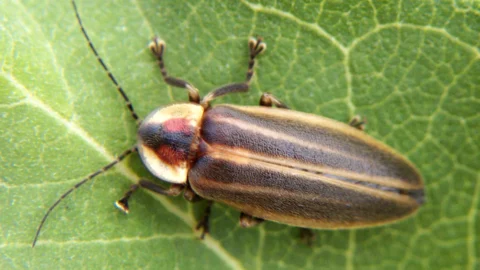
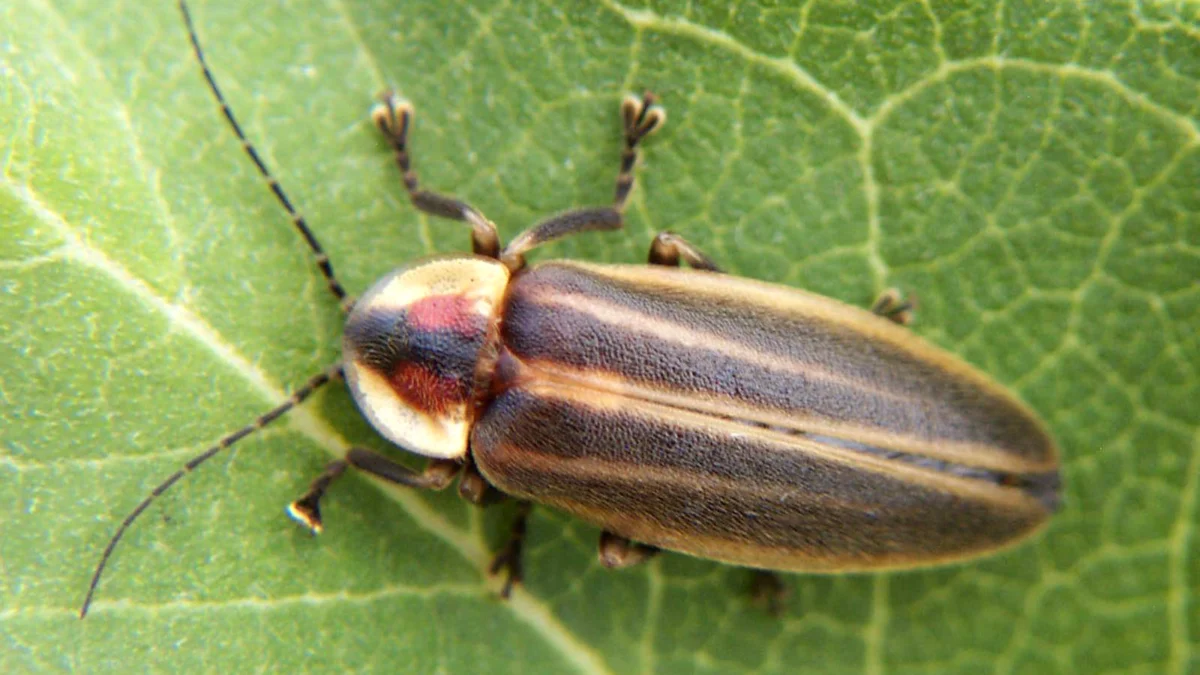
On warm summer evenings in rural meadows, tranquil riverside banks, and damp woodland clearings, one of the most mesmerizing spectacles in nature quietly unfolds [2]. As dusk deepens into darkness, hundreds of tiny, glowing beacons blink rhythmically among the tall grasses, floating upwards into the twilight canopy like living constellations [2]. These miniature lanterns belong to fireflies—fascinating nocturnal beetles belonging to the family Lampyridae [1] [2].
To human eyes, this nocturnal light show feels like pure woodland magic [2]. Yet beneath the firefly’s delicate translucent abdomen lies an astonishing marvel of evolutionary engineering and molecular chemistry [1] [3]. While human civilization spent thousands of years struggling to create electrical light bulbs that waste up to 90% of their energy as blistering heat, fireflies mastered the art of cold light millions of years ago: converting virtually 100% of their input chemical energy directly into pure, heatless photons [1] [4]. Let us explore the remarkable organic chemistry, neural switching circuits, and intricate courtship language that allow fireflies to illuminate the night sky [1] [3].
- 100%
- Light Conversion Efficiency Virtually zero thermal heat loss, representing the purest cold light in nature
- 2,000+
- Global Firefly Species Each species displays a distinct flash cadence, color wavelength, and flight pattern
- 510–670 nm
- Wavelength Spectrum Emits wavelengths ranging from chartreuse yellow-green to pale amber-orange
- 0.02 Sec
- Neural Reaction Window Rapid nitric oxide diffusion speed enabling instantaneous optical flashing
What Is Cold Light? The Physics of Bioluminescent Efficiency
To appreciate how remarkable firefly bioluminescence truly is, one must examine how human-engineered light sources operate [1]. In a traditional incandescent light bulb, electrical current is forced through a tungsten filament until it reaches scorching temperatures exceeding 2,000°C [1]. The filament glows white-hot, but this process is staggeringly inefficient: approximately 90% to 95% of the electrical energy is lost as invisible infrared heat, with only 5% to 10% emitted as visible light [1]. Even state-of-the-art solid-state LED fixtures dissipate roughly 50% of their energy as thermal heat, requiring heavy metal heat sinks to prevent semiconductor failure [1].
In stark contrast, the light produced in a firefly’s lantern organ is pure chemiluminescence—light generated through a specialized biological chemical reaction with practically zero thermal radiation [1] [5]. Because nearly 100% of the biochemical reactants are converted into visible photons, it is classified scientifically as cold light [1]. If a firefly’s lantern produced even a fraction of the thermal waste generated by an incandescent bulb, the insect’s abdomen would incinerate instantly [1] [2]. Nature’s design is an absolute masterclass in thermodynamic conservation [1].
The Four Essential Molecular Ingredients: The Chemistry of the Glow
The luminous organ, or photophore, is situated on the ventral side of the firefly’s posterior abdominal segments [1]. Within this organ reside specialized light-producing cells called photocytes [1] [3]. For light emission to take place, five fundamental biochemical components must interact in a precise, choreographed sequence [1] [5]:
1. Luciferin: The primary light-emitting chemical substrate, a heterocyclic organic acid that provides the carbon backbone for photon release [1].
2. Luciferase: A specialized oxidative enzyme that acts as a biological catalyst, lowering activation energy and orienting molecules into an exact spatial geometry [1] [5].
3. Adenosine Triphosphate (ATP): The universal chemical energy currency of all living cells, providing the energetic punch required to charge the reaction [1] [5].
4. Magnesium Ions (Mg2+): Crucial mineral cofactors that stabilize ATP molecules inside the enzyme’s catalytic pocket [1].
5. Molecular Oxygen (O2): The critical oxidant drawn in from atmospheric air through the insect’s tracheal breathing tubes [3].
During the first phase of the reaction, luciferase binds luciferin and ATP in the presence of magnesium to synthesize an activated intermediate called luciferyl-adenylate [1]. When molecular oxygen enters the chamber, it rapidly oxidizes this complex into a high-energy cyclical compound known as a dioxetanone intermediate [1] [5]. This unstable ring instantly decarboxylates, releasing carbon dioxide and leaving behind an electronically excited molecule: oxyluciferin [1]. As oxyluciferin’s energized electrons tumble back down to their stable ground state, the energy difference is emitted as a burst of visible light—radiating at wavelengths between 510 and 670 nanometers, producing characteristic yellow, chartreuse-green, or amber flashes [1] [2].
| Lighting Technology | Primary Energy Source | Energy-to-Light Efficiency | Thermal Heat Waste | Lifespan & Operating Temperature |
|---|---|---|---|---|
| Incandescent Filament Bulb | Electrical Current | 5% – 10% Visible Light | 90% – 95% Wasted Heat | Operates at 2,000°C; severe burn risk |
| Fluorescent Gas Tube | Ionized Mercury Gas | 20% – 25% Visible Light | 75% – 80% Dissipated Heat | Warm operation; requires toxic phosphors |
| Modern Solid-State LED | Gallium Nitride Semiconductor | 40% – 50% Visible Light | 50% – 60% Converted to Heat | Warm; requires aluminum heatsinks |
| Firefly Bioluminescence (Cold Light) | Enzymatic Oxidation (ATP + Luciferin) | 95% – 100% Pure Photons | <1% Trace Thermal Loss | Ambient biological temperature; zero thermal tissue damage |
Data compiled from Branchini et al., Annual Review of Biochemistry and Illuminating Engineering Society (IES) standards.
The Nitric Oxide Switch: How Fireflies Turn the Light On and Off in Milliseconds
If all the necessary chemical ingredients are perpetually stored inside the photocyte cells, why don’t fireflies glow continuously? How can they flash with lightning-fast precision, turning the light on and off in mere fractions of a second? [3] For over a century, this question baffled entomologists and biochemists [2] [3]. The secret was finally unlocked in a landmark study published in Science led by researchers at Tufts University [3].
The biological bottleneck in the luminous reaction is oxygen [3]. Inside a resting photocyte, mitochondria—the cellular power plants—consume almost all incoming oxygen through normal cellular respiration [3]. As long as mitochondria gobble up the available oxygen, the luciferase enzyme remains starved of fuel, and the lantern stays dark [3].
When the firefly decides to flash, its central nervous system fires a signal down nerve endings that terminate on the insect’s tracheal cells [3]. This nerve impulse triggers the rapid release of nitric oxide (NO) gas [3]. Because nitric oxide is a tiny, highly diffusible gas molecule, it instantly permeates the photocytes and temporarily binds to the respiratory enzymes inside the mitochondria [3]. This transient molecular blockade halts mitochondrial oxygen uptake for several milliseconds [3]. Suddenly unconsumed, a tidal wave of surplus oxygen bypasses the mitochondria and floods the awaiting luciferase enzymes, sparking the instantaneous chemical flash [3]. Moments later, as nitric oxide naturally breaks down, mitochondrial respiration resumes, oxygen is scavenged away, and the light snaps off instantly [3].
| Feature | Standard Incandescent Filament Lighting | Nature's MasterpieceFirefly Biological Cold Light (Photocytes) |
|---|---|---|
| Energy Conversion Efficiency | Only 5% to 10% converted into illumination; 90% lost as infrared heat | 95% to 100% converted directly into visible photons with zero wasted heat |
| Mechanism of Emission | Thermal incandescence; tungsten wire heated until it glows white-hot | Chemiluminescence; electrons drop from excited oxyluciferin state |
| Operating Temperature | Exceeds 2,000°C; would instantly incinerate living tissue | Strictly matches ambient environment (ambient 20°C–25°C) |
| On/Off Switching Speed | Governed by filament heating and cooling lag | Controlled at millisecond precision via gaseous nitric oxide diffusion |
| Ecological Role | Causes severe artificial night lighting pollution | Serves as complex optical mating language and aposematic predator deterrent |
Sources: Annual Review of Biochemistry (2018); Science Magazine (2001).
Optical Morse Code: The Complex Courtship Language of Fireflies
While bioluminescence serves several evolutionary purposes—including warning nocturnal bats and spiders that fireflies taste repulsively toxic—its primary function is reproductive courtship [2]. Adult fireflies live for only a few brief weeks, during which their entire biological imperative is finding a mate [2]. In the pitch-black night, sound and vision are limited, so fireflies evolved species-specific optical Morse code [2].
Typically, male fireflies take to the air, flying in distinctive spatial trajectories while flashing their species’ signature pulse rhythm [2]. For example, the common North American Big Dipper firefly (Photinus pyralis) swoops downward and then sweeps upward in an illuminated ‘J’ trajectory every six seconds [2]. Ground-dwelling females, resting quietly on leaves or grass stems, observe these aerial displays [2]. When a female identifies the precise flash rhythm of a male from her own species, she waits for an exact pause—often calibrated down to an exact 2.0-second delay—before emitting a short, answering blink [2]. The flying male spots her response, navigates toward her glow, and repeats the dialogue until they unite [2]. Just as elephants coordinate across vast savannahs using seismic infrasound, fireflies bridge darkness through sophisticated sensory wavelengths.
- Firefly light is 95% to 100% efficient, converting nearly all chemical input energy into visible photons without thermal heat dissipation.
- The light reaction requires five key biochemical reagents: luciferin (substrate), luciferase (enzyme), ATP (energy), magnesium ions, and molecular oxygen.
- A specialized neural gas—nitric oxide (NO)—acts as the biological on/off switch by transiently inhibiting mitochondrial oxygen consumption.
- Females of the predatory Photuris genus engage in aggressive mimicry, copying other species’ flash rhythms to lure and devour unsuspecting suitors.
Synchronous Flashing: Nature’s Breathtaking Ecological Orchestras
In certain extraordinary ecosystems around the world—such as the mangrove estuaries of Malaysia and Thailand, and the Great Smoky Mountains National Park in Tennessee—fireflies perform one of the most stunning biological phenomena on Earth: synchronous flashing [2]. Thousands, and sometimes millions, of male fireflies gathered along riverbanks begin flashing in chaotic disorder at twilight [2]. Over the course of thirty minutes, their rhythmic pulses begin to entrain one another, until the entire forest pulses on and off in unison like a giant living strobe light [2].
Mathematical biologists have determined that this synchronization is governed by non-linear coupled oscillators [2]. By flashing simultaneously, males amplify the collective visual signal across dense forest canopies, making the entire mating colony visible to females from kilometers away while minimizing individual visual clutter [2].
The Dark Side: Aggressive Mimicry and the ‘Femme Fatale’ Firefly
While firefly courtship appears romantic, the insect world harbors ruthless deception [2]. Females of the predatory genus Photuris are significantly larger than other fireflies [2]. After mating with males of their own kind, female Photuris beetles perch in vegetation and closely watch the flash patterns of unrelated smaller species, most notably Photinus [2].
Astonishingly, these ‘femme fatale’ females can mimic the exact response flashes of female Photinus beetles [2]. Believing he has discovered a willing mate, the unsuspecting Photinus male flies down toward her beacon [2]. The moment he lands, the predatory female ambushes, immobilizes, and devours him [2]. Beyond acquiring nutritional sustenance, the female Photuris absorbs bitter steroid toxins called lucibufagins from the male’s carcass—incorporating these defensive chemicals into her own tissues and eggs to shield her offspring from predatory birds and jumping spiders [2].
From Insects to Medicine: How Firefly Enzymes Save Human Lives
The astonishing precision of firefly biochemistry has made luciferase one of the most invaluable diagnostic tools in modern biomedical science [1] [5]. Because the luciferase reaction requires ATP to emit light, scientists use cloned firefly genes as an ultra-sensitive biosensor for living cellular matter [5].
In oncology research, geneticists engineer cancer cells to express firefly luciferase [5]. By injecting non-invasive luciferin into laboratory models, oncologists can track tumor metastasis, monitor tumor shrinkage in response to experimental chemotherapies, and visualize cellular death in real time using bioluminescence imaging cameras [5]. Furthermore, pharmaceutical manufacturers use luciferase assays to test the absolute sterility of intravenous medications and vaccines; if even a single microscopic bacterium is present in a vial, its cellular ATP triggers an instantaneous luminescence flash [1] [5]. NASA has even utilized luciferase assays in astrobiological probes to detect potential extraterrestrial microbial life on Mars and icy moons [5]. Decoding these intricate molecular interactions parallels work in computational genomic foundation models and fundamental biology concepts in our scientific terminology guide.
Vanishing Lights: The Threat of Light Pollution and Insect Conservation
Tragically, these silent beacons of the night are disappearing from our landscapes at an alarming rate [4]. Ecological studies published in Biological Conservation confirm that firefly populations worldwide are experiencing steep declines driven by human activity [4].
The single greatest menace is artificial light at night (ALAN) [4]. Streetlights, architectural floodlights, commercial billboards, and illuminated residential gardens flood natural habitats with ambient glow [4]. Because female fireflies emit faint, subtle flashes, intense artificial light washes out their mating signals completely [4]. Males fly blindly without ever finding their partners, causing reproductive collapse in affected populations [4]. Coupled with wetland drainage, extensive manicured lawn culture that eliminates damp leaf litter, and excessive lawn insecticides that poison juvenile glowworms, fireflies are losing their homes [2] [4]. Protecting dark night skies by shielding outdoor fixtures and preserving moist, chemical-free native habitats is essential to ensure that future generations can witness the wonder of nature’s living lanterns [2] [4].
Frequently Asked Questions About Fireflies and Bioluminescence
Why doesn't a glowing firefly burn or overheat its own body?
Firefly light is known as ‘cold light’ (chemiluminescence). Unlike man-made incandescent bulbs that produce light by heating a filament to thousands of degrees, fireflies generate light through an enzymatic chemical reaction that converts virtually 100% of chemical energy directly into photons, with zero thermal infrared dissipation.
Do all firefly species glow in the dark?
No. While nearly all firefly larvae (often called ‘glowworms’) emit light to warn predators of their bitter toxins, many diurnal (day-flying) adult firefly species do not glow as adults. Instead of optical flash signals, daytime fireflies locate mates using specialized chemical pheromones.
How do male and female fireflies recognize each other?
Each firefly species possesses a unique flash code—characterized by specific pulse frequencies, duration of flashes, shape of flight maneuvers (such as the distinctive ‘J-stroke’), and color tint (from green to yellow-amber). Females perch on vegetation and respond only to the exact flash cadence of their own species.
How is firefly luciferase used in modern human medicine and cancer research?
Because firefly luciferase requires ATP to glow, researchers use it as a sensitive bio-sensor to detect living cancer cells, quantify bacterial contamination in food and pharmaceuticals, and monitor gene expression in real-time within living tissues.
Why are firefly populations declining around the world?
The primary threat is artificial light pollution (ALAN) from streetlights and urban sprawl, which washes out their delicate optical mating signals. In addition, habitat loss in wetlands and damp meadows, coupled with widespread agricultural pesticides, has decimated their vulnerable ground-dwelling larvae.
Key Bioluminescence Terms (Glossary)
Scientific terms used in this article
- Bioluminescence
- The biochemical production and emission of visible light by a living organism through specialized enzymatic reactions.
- Luciferin
- A generic class of small, light-emitting organic substrate molecules found in bioluminescent organisms.
- Luciferase
- An oxidative enzyme that catalyzes the conversion of luciferin into an electronically excited intermediate, releasing photons.
- Photocyte
- A specialized light-producing cell located within the firefly lantern organ in the lower abdomen.
- Cold Light
- Light generated with extraordinarily high efficiency, where virtually all chemical energy is emitted as visible illumination without thermal heat loss.
Bioluminescence in Fireflies: Chemical Mechanisms, Color Tuning, and Biotechnological Applications
- Journal
- Annual Review of Biochemistry
- Study Type
- Review
- Year
- 2021
DOI10.1146/annurev-biochem-060408-085955
References
- ↩ Annual Review of Biochemistry: Bioluminescence in Fireflies (Mechanisms & Applications)
- ↩ Princeton University Press: Silent Sparks (The Wondrous World of Fireflies)
- ↩ Science Magazine: Nitric Oxide as a Neural Messenger Controlling Firefly Flash
- ↩ Biological Conservation: Light Pollution Is a Driver of Insect Declines
- ↩ Photochemical & Photobiological Sciences: Chemistry of Bioluminescence in Beetles


No comments yet. Be the first to join the conversation.