


Key Findings
- Androgenetic Alopecia (AGA) is primarily driven by dihydrotestosterone (DHT) binding to androgen receptors in genetically susceptible dermal papillae, causing progressive follicular miniaturization.
- A network meta-analysis in JAMA Dermatology confirmed that oral dutasteride, oral finasteride, and topical/oral minoxidil significantly prolong the anagen growth phase and restore hair density.
- Combining microneedling with topical minoxidil dramatically enhances transdermal drug absorption and triggers endogenous Wnt/beta-catenin hair follicle stem cell activation.
- Autologous Platelet-Rich Plasma (PRP) and 650-nm Low-Level Laser Therapy (LLLT) stimulate cellular mitochondrial ATP synthesis and vascular endothelial growth factor (VEGF) secretion.
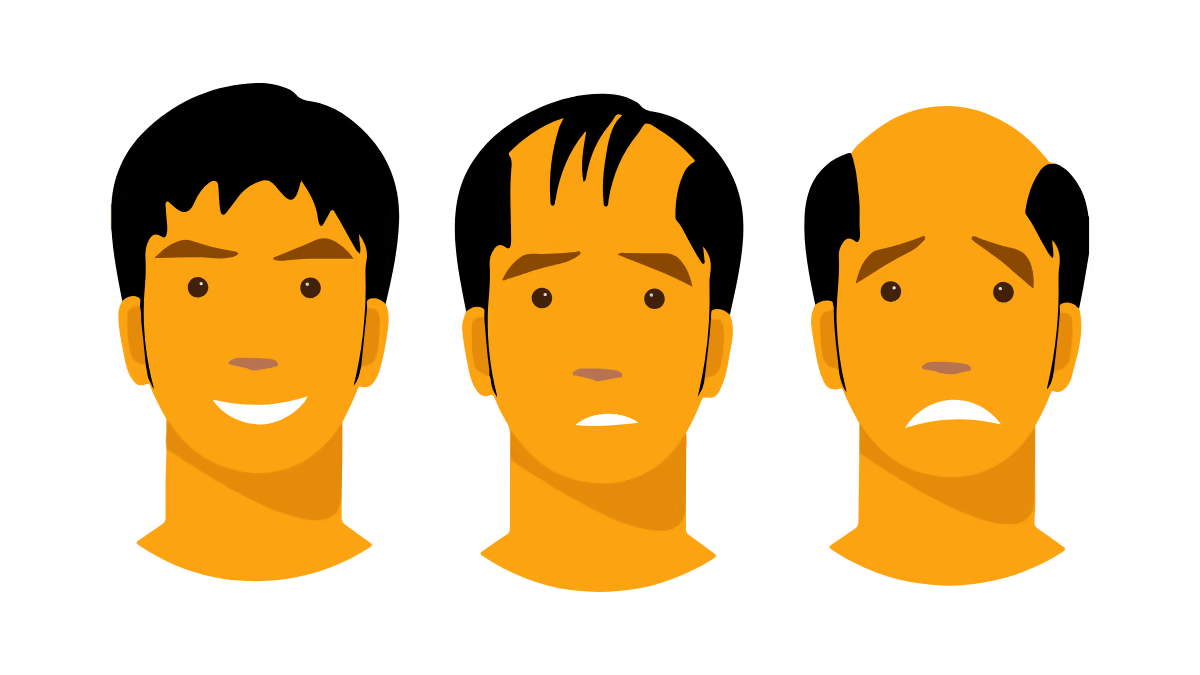
Across human history and modern culture, a healthy head of hair has represented a universal symbol of vitality, youth, and personal identity [1] [5]. Consequently, experiencing progressive hair thinning, a receding hairline, or diffuse crown shedding can cause substantial psychological distress, anxiety, and diminished self-confidence [1]. Commercial markets are saturated with unproven shampoos, cosmetic oils, and miracle tonics that exploit consumer vulnerability while delivering zero biological results [1] [2].
However, modern clinical dermatology and molecular trichology have elucidated the precise genetics, endocrine receptors, and cellular pathways governing human hair growth [1] [2]. A landmark systematic review and network meta-analysis published in JAMA Dermatology, encompassing tens of thousands of patients, confirms that hair loss is neither inevitable nor untreatable [1]. By intervening early with evidence-based pharmacological treatments, targeted procedural therapies, and cellular growth factor stimulants, individuals can effectively halt follicle miniaturization and stimulate robust hair restoration [1] [3].
Understanding Androgenetic Alopecia and DHT Miniaturization
The vast majority of progressive hair loss, affecting up to 73.5 percent of men and 57 percent of women over age 80, is classified as Androgenetic Alopecia (AGA) [1] [2]. Clinically presenting as Male Pattern Hair Loss (MPHL) along the temples and vertex or Female Pattern Hair Loss (FPHL) as diffuse widening along the central part line, AGA is an inherited condition driven by genetic sensitivity to androgens [1] [2].
The primary culprit is Dihydrotestosterone (DHT), an androgen synthesized from circulating testosterone by the membrane-bound enzyme 5-alpha reductase (5-AR), primarily the type II isoform localized within hair follicle dermal papillae [1] [2]. In genetically susceptible individuals, scalp follicles express an overabundance of androgen receptors with heightened binding affinity [1].
When DHT docks into dermal papilla receptors, it triggers inhibitory paracrine cascades, such as transforming growth factor-beta (TGF-beta) and dickkopf-1 (DKK-1), that suppress vital Wnt/beta-catenin pro-growth signaling [1] [3]. This initiates follicular miniaturization: with each successive growth cycle, the hair follicle physically shrinks, spending less time growing and more time resting [1] [2]. Thick, deeply pigmented terminal hairs gradually degrade into wispy, microscopic vellus hairs until the follicle becomes atrophic [1] [2].
The Hair Follicle Cycle: Anagen, Catagen, and Telogen Phases
Every human hair follicle operates as a self-renewing sensory mini-organ that cycles continuously through distinct physiological phases [2] [5]:
1. Anagen (Active Growth Phase): Spanning two to seven years, dermal papilla cells actively divide and synthesize the keratin shaft. In a healthy scalp, approximately 85 to 90 percent of follicles reside in anagen [2] [5].
2. Catagen (Regressive Phase): Lasting two to three weeks, cellular mitosis ceases, and the lower third of the follicle involutes, pulling away from the blood supply [5].
3. Telogen (Resting Phase): Lasting approximately three months, the mature club hair rests dormant in the follicle [5].
4. Exogen and Kenogen (Shedding and Latency): The club hair detaches and sheds from the scalp (50 to 100 hairs daily is physiologically normal) [5]. In miniaturized follicles, an extended lag period called kenogen leaves the pore empty for months before a weak hair emerges [1] [5].
Effective hair loss therapy fundamentally aims to truncate the telogen/kenogen resting phases and prolong the active anagen growth duration [1] [2].
First-Line Pharmacotherapy: Finasteride and Minoxidil Efficacy
The definitive JAMA Dermatology network meta-analysis evaluated the comparative efficacy of all major medical interventions for androgenetic alopecia, establishing an evidence-based hierarchy of clinical effectiveness [1].
Finasteride and Dutasteride (5-Alpha Reductase Inhibitors): Finasteride (1 mg oral daily) competitively blocks type II 5-AR, suppressing circulating serum DHT by roughly 70 percent and scalp DHT by over 60 percent [1] [2]. Dutasteride (0.5 mg daily) dual-inhibits both type I and type II 5-AR, slashing serum DHT by over 90 percent and demonstrating superior hair count increases in clinical trials [1]. By removing the primary hormonal toxin, these agents halt miniaturization in over 85 to 90 percent of men, with substantial visible regrowth in over 60 percent [1] [2].
Minoxidil (Potassium Channel Opener & Vasodilator): Available as 5% topical foam/solution or off-label low-dose oral tablets (1.25 to 5 mg daily for men; 0.25 to 1.25 mg daily for women) [1]. Minoxidil acts as an ATP-sensitive potassium channel agonist that induces arteriolar vasodilation, upregulates Vascular Endothelial Growth Factor (VEGF), and directly stimulates quiescent hair matrix keratinocytes, compelling miniaturized follicles into anagen [1] [2]. Combining a 5-AR inhibitor with minoxidil addresses both the hormonal root cause and the cellular microcirculation, producing powerful synergistic regrowth [1] [2].
Clinical Comparison: Evidence-Based Hair Restoration Therapies
| Therapeutic Modality | Biological Mechanism | Clinical Efficacy Ranking | Ideal Patient Profile |
|---|---|---|---|
| Oral Dutasteride (0.5 mg) | Dual 5-AR I & II inhibition; 90% DHT reduction | Highest total hair count increase in JAMA meta-analysis | Men with aggressive or finasteride-resistant thinning |
| Oral Finasteride (1 mg) | Type II 5-AR inhibition; 70% DHT reduction | High efficacy; gold standard for vertex & hairline stabilization | First-line therapy for men aged 18 to 60 with early-stage AGA |
| Topical Minoxidil (5%) | K-channel opening, vasodilation, anagen extension | Moderate-to-high regrowth; enhances shaft diameter | Men and women seeking non-hormonal daily topical care |
| Platelet-Rich Plasma (PRP) | Autologous PDGF, VEGF, TGF-beta delivery | Moderate; accelerates follicle diameter & reduces shed | Adjunctive in-office procedural therapy every 4–6 weeks |
| Low-Level Laser (LLLT) | 650 nm red photobiomodulation; mitochondrial ATP | Mild-to-moderate; FDA-cleared non-invasive therapy | Home-use caps for patients seeking drug-free interventions |
Procedural Innovations: Microneedling, PRP, and Low-Level Laser Therapy
For patients seeking to amplify medical therapy or those with partial response to medication alone, procedural dermatology provides powerful clinical synergies [2] [3]:
Microneedling (Collagen Induction): Using automated motorized pens or dermarollers equipped with surgical-grade needles (0.5 to 1.5 mm depth) creates controlled micro-trauma across the scalp [2]. This localized wound healing cascade triggers platelet degranulation and stimulates Wnt/beta-catenin signaling in hair follicle stem cells [2]. Furthermore, applying topical minoxidil immediately following microneedling enhances transdermal drug absorption by over 400 percent, producing superior hair counts compared to minoxidil monotherapy [2].
Platelet-Rich Plasma (PRP): Autologous blood is centrifuged to isolate concentrated platelets suspended in plasma, which is then injected directly into the sub-dermal scalp layer [3]. Platelets release abundant concentrations of Platelet-Derived Growth Factor (PDGF), Vascular Endothelial Growth Factor (VEGF), and Epithelial Growth Factor (EGF), stimulating angiogenesis around dormant follicles and arresting inflammatory shedding [3]. Systematic reviews show significant improvements in hair density across three to four initial monthly sessions [3].
Low-Level Laser Therapy (LLLT / Photobiomodulation): Utilizing specialized laser diodes emitting coherent red light at 650 to 655 nanometers [4]. Photons are absorbed by cytochrome c oxidase within follicular mitochondria, accelerating cellular respiration, stimulating nitric oxide synthesis, and boosting intracellular ATP production [4]. Multiple randomized sham-controlled trials confirm significant hair caliber and density improvements with three weekly twenty-minute treatments [4].
Emerging Cellular Therapies and Wnt Signaling Activators
The cutting frontier of regenerative trichology focuses on cell-based therapies and novel pathway modulators [1] [3]:
• Adipose-Derived Stem Cell Conditioned Media (ADSC-CM): Secretome cocktails derived from mesenchymal stem cells contain rich concentrations of follistatin, hepatocyte growth factor, and basic FGF, reviving exhausted dermal papillae [3].
• Wnt Activators: Small-molecule agents that stabilize beta-catenin prevent androgen-induced follicular regression [1]. Topical valproic acid and experimental GSK-3beta inhibitors are under active investigation for promoting de novo follicle neogenesis [1].
• Prostaglandin Pathway Modulation: While Prostaglandin D2 (PGD2) acts as a local inhibitor of hair elongation, Prostaglandin F2-alpha analogs (such as latanoprost and bimatoprost) actively stimulate anagen progression and melanin pigmentation, offering novel topical avenues for crown restoration [1] [2].
Nutritional Foundations and Systemic Scalp Care
While genetics and androgens dictate patterned loss, systemic nutrition and scalp microecology heavily influence shedding velocity and hair caliber [5].
Keratin synthesis requires robust physiological stores of iron and trace minerals [5]. Serum ferritin levels below 40 to 50 ng/mL are strongly linked to chronic telogen shedding; optimizing ferritin through iron-rich dietary intake or targeted supplements halts diffuse shedding [5]. Similarly, vitamin D3 receptors located within keratinocyte stem cells regulate hair cycle transitions; correcting vitamin D deficiency is essential for follicular health [5].
Dietary zinc, adequate protein intake (1.0 to 1.2 g/kg), and scalp microbiome hygiene (treating seborrheic dermatitis with 2% ketoconazole shampoo to suppress malassezia yeasts and reduce scalp DHT levels) create an optimal cellular environment for sustained hair longevity [1] [5].
Frequently Asked Questions
Primary Sources and References
Relative Efficacy of Minoxidil and the 5-α Reductase Inhibitors in Men With Androgenetic Alopecia: A Systematic Review and Network Meta-analysis
- Journal
- JAMA Dermatology
- Study Type
- Network Meta-Analysis
- Year
- 2022
DOI10.1001/jamadermatol.2021.5743
Frequently Asked Questions
Common reader questions about this study
What is the primary biological cause of male and female pattern hair loss?
Androgenetic Alopecia is driven by genetic sensitivity to dihydrotestosterone (DHT), a potent androgen synthesized from testosterone by 5-alpha reductase enzymes. In genetically susceptible scalp follicles, DHT shortens the active anagen growth phase and induces progressive follicular miniaturization, causing thick terminal hairs to transform into fine, unpigmented vellus hairs.
How does minoxidil stimulate new hair growth?
Minoxidil acts as an adenosine triphosphate (ATP)-sensitive potassium channel opener and vasodilator. In dermal papilla cells, it enhances microvascular perfusion, upregulates Vascular Endothelial Growth Factor (VEGF), and transitions dormant telogen follicles back into active, prolonged anagen growth cycles.
Are finasteride and dutasteride safe for men experiencing hair thinning?
Finasteride (1 mg daily) selectively inhibits type II 5-alpha reductase, reducing serum DHT by approximately 70 percent. Large-scale clinical meta-analyses demonstrate high tolerability, with sexual side effects (such as mild erectile changes or decreased ejaculate volume) occurring in less than 2 to 3 percent of users, which typically resolve upon treatment cessation.
Does microneedling really enhance topical hair loss treatments?
Yes. Clinical trials confirm that rolling or stamping medical-grade microneedles (0.5 to 1.5 mm) across the scalp creates transient micro-channels that increase minoxidil absorption up to five-fold while triggering localized platelet activation, collagen synthesis, and stem cell signaling.
Can nutritional deficiencies cause sudden diffuse hair shedding?
Yes. Telogen effluvium—a condition where large numbers of growing hairs prematurely enter the resting phase—is frequently triggered by severe deficiencies in serum ferritin (iron stores), vitamin D3, zinc, or adequate dietary protein, as well as acute systemic stress and thyroid dysfunction.
References
- ↩ Gupta, A. K., Talukder, M., Venkataraman, M., & Bamimore, M. A. (2022). Relative Efficacy of Minoxidil and the 5-α Reductase Inhibitors in Men With Androgenetic Alopecia: A Systematic Review and Network Meta-analysis. JAMA Dermatology, 158(3), 266-274.
- ↩ Adil, A., & Godwin, M. (2017). The effectiveness of treatments for androgenetic alopecia: A systematic review and meta-analysis. Journal of the American Academy of Dermatology, 77(1), 136-141.e5.
- ↩ Gentile, P., & Garcovich, S. (2020). Systematic Review of Platelet-Rich Plasma Use in Androgenetic Alopecia Compared with Minoxidil, Finasteride, and Alternative Therapies. International Journal of Molecular Sciences, 21(8), 2702.
- ↩ Liu, K. H., et al. (2019). Low-level laser therapy (LLLT) for androgenetic alopecia: A systematic review and meta-analysis. Lasers in Surgery and Medicine, 51(9), 789-798.
- ↩ Almohanna, H. M., Ahmed, A. A., Tsatalis, J. P., & Tosti, A. (2019). The Role of Vitamins and Minerals in Hair Loss: A Review. Dermatology and Therapy, 9(1), 51-70.


No comments yet. Be the first to join the conversation.