

Key Findings
- Heavy metals (lead, cadmium, chromium) enter lip cosmetics primarily as natural geological impurities in mineral colorants and iron oxides.
- Daily lipstick wearers inadvertently ingest 24 to 87 milligrams of product daily, absorbing trace metals directly through the digestive tract.
- Chronic cumulative risks can be minimized by moderating reapplication, wiping lips before meals, avoiding counterfeit cosmetics, and keeping adult products away from children.
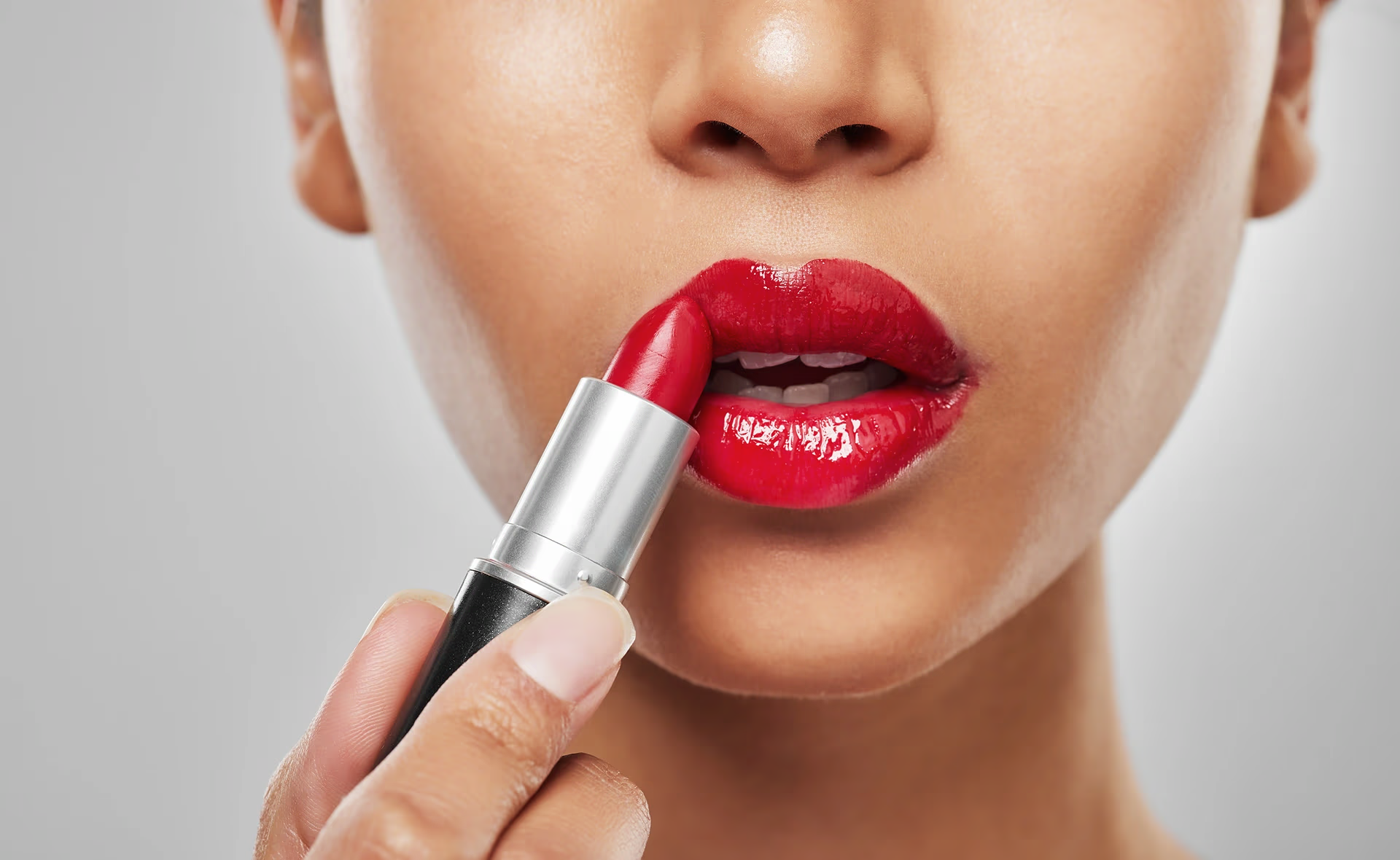
Every morning across the globe, hundreds of millions of women complete their daily routines by applying a sweep of lipstick. Whether chosen for a polished professional presentation, personal confidence, or artistic expression, lip cosmetics are ubiquitous in modern vanity cases. Yet, unlike facial foundations, eye shadows, or perfumes that rest on outer stratum corneum skin, lipsticks occupy a biologically distinct and vulnerable zone: the vermilion border of human lips [1] [2]. Throughout the course of a normal day, sipping coffee, eating meals, conversing, and unconsciously licking one’s lips, wearers inevitably swallow trace amounts of whatever product rests upon their mouth [2]. In recent years, investigative toxicological studies conducted by university researchers and consumer safety organizations have sounded alarms after discovering measurable levels of heavy metals, including lead, cadmium, chromium, and aluminum, inside commercial lip products [1] [2]. Are these toxic metals intentionally added to cosmetics, how much metal is actually ingested over a lifetime, and what does clinical toxicology say about real-world health risks [2] [3]?
Why Heavy Metals Exist in Commercial Cosmetics
A common consumer misconception is that cosmetic companies deliberately add heavy metals into lipstick formulations. In reality, modern reputable manufacturers do not intentionally formulate lipsticks with toxic elements [3]. Instead, heavy metals enter cosmetic formulations as ubiquitous environmental contaminants and trace impurities within raw ingredients [1] [3].
Lipstick is a sophisticated physical emulsion composed of natural waxes (such as beeswax, candelilla, and carnauba), emollient oils (such as castor oil and mineral oil), texture modifiers, and intensive pigments [1]. The primary source of heavy metal contamination lies in the mineral colorants and inorganic earth pigments used to achieve rich, opaque shades [2].
Natural earth minerals, such as iron oxides (providing rich red, brown, and yellow hues) and mica (which adds shimmer and luster), are extracted from the Earth’s crust [1] [2]. Because lead, arsenic, cadmium, and nickel are naturally occurring geological components of rock formations, they co-exist with mined pigment ores. While industrial refining purifies these pigments, eliminating every single part-per-million (ppm) of background geological trace elements is technologically challenging and costly [2] [3]. Furthermore, low-cost unbranded cosmetics frequently utilize poorly refined industrial pigments or contaminated batch water, resulting in dangerously elevated heavy metal loads [1].
The Inadvertent Ingestion Pathway and Daily Exposure
What makes lip cosmetics uniquely concerning from an environmental toxicology standpoint is their primary route of human exposure [2]. Unlike facial moisturizers or hair shampoos that remain on keratinized epidermal barriers or are rinsed down the drain, lip cosmetics are subject to continuous inadvertent oral ingestion [2].
In a landmark public health study published in Environmental Health Perspectives, researchers at the University of California, Berkeley, quantified daily cosmetic ingestion patterns among regular users [2]:
• Average Daily Use: An individual applying lipstick or lip gloss two to three times per day inadvertently swallows approximately 24 milligrams of product daily [2].
• High-Frequency Daily Use: Individuals who reapply lip gloss frequently throughout the day ingest up to 87 milligrams of cosmetic product daily [2].
Over a lifetime of consistent cosmetic use, an individual inadvertently ingests between 1.5 and 3.5 kilograms of lip product [1] [2]. When swallowed, these trace metals bypass the protective external skin barrier entirely, entering the acidic gastric environment where stomach acid breaks down mineral bonds, mobilizing heavy metal ions into the bloodstream via intestinal enterocytes [1] [5].
Trace Heavy Metals in Lip Products and Toxicological Risk Profiles
| Trace Metal | Concentration Range (ppm) | Biological Target Organ | Clinical Health Risk |
|---|---|---|---|
| Lead (Pb) | 0.1 to 7.19 ppm | Central nervous system, kidneys, bone marrow | Neurotoxicity, cognitive decline, fetal neurodevelopmental impairment |
| Cadmium (Cd) | 0.05 to 3.20 ppm | Renal cortex, skeletal matrix | Tubular nephropathy, bone demineralization, endocrine disruption |
| Chromium (Cr) | 0.5 to 12.8 ppm | Gastrointestinal mucosa, lungs | Stomach tumors, severe allergic contact cheilitis, oxidative stress |
| Aluminum (Al) | 100 to 5,000 ppm | Bone, neural tissue | Neurotoxicity, potential osteomalacia under prolonged exposure |
| Manganese (Mn) | 1.0 to 45.0 ppm | Basal ganglia, central nervous system | Neurobehavioral alterations, motor coordination deficits |
Toxicological Breakdown of Key Metals
To evaluate whether detected levels present tangible health hazards, toxicologists assess each metal’s biological half-life and bioaccumulation kinetics [1] [5]:
1. Lead (Pb): Medical science is unanimous: there is no known safe blood lead level in the human body. Even infinitesimal microgram-level exposures damage neural synapses. Lead mimics calcium, crossing the blood-brain barrier and binding to calmodulin, disrupting neurotransmitter release. In adult women, accumulated lead is stored in bones; during pregnancy and lactation, bone turnover releases lead into systemic blood, crossing the placenta to cause irreversible cognitive and behavioral deficits in the developing fetus [1] [2].
2. Cadmium (Cd): A known human carcinogen and endocrine disruptor. The human body lacks an active biochemical mechanism to excrete cadmium. Consequently, absorbed cadmium binds to metallothionein proteins and accumulates in the proximal tubules of the kidneys, remaining for up to thirty years. Chronic low-dose cadmium ingestion promotes glomerular filtration decay, proteinuria, and interferes with vitamin D metabolism, weakening bone density [1] [4].
3. Chromium (Cr) and Nickel (Ni): Chromium is frequently detected in deep red and plum lipsticks [2]. While trivalent chromium is a trace nutrient, hexavalent forms and chronic oral exposure are linked to gastrointestinal epithelial hyperplasia and stomach tumors [2]. Nickel, on the other hand, is the most common contact allergen in dermatology, responsible for chronic peeling, blistering, and swelling of the lips (allergic contact cheilitis) [3].
Evaluating Real-World Health Risks and ADI Limits
Does wearing lipstick occasionally trigger acute metal poisoning? Clinical toxicologists emphasize that acute poisoning does not occur from cosmetic use [1]. You will not suffer emergency metal toxicity from wearing lipstick to a dinner party.
The true public health concern centers entirely on chronic cumulative exposure [1] [2]. Human beings are exposed to heavy metals from multiple environmental sources simultaneously: drinking water, leafy vegetables grown in industrial soils, rice containing arsenic, and urban air pollution. When daily cosmetic ingestion is superimposed on baseline environmental exposures, a wearer’s total daily intake can exceed established Acceptable Daily Intake (ADI) thresholds [2].
The UC Berkeley toxicological risk assessment determined that for average daily lipstick use, estimated daily intakes of chromium, cadmium, aluminum, and manganese fell within acceptable safety bounds [2]. However, for high-frequency users (applying lip gloss or lipstick six to ten times daily), estimated intakes of chromium and aluminum exceeded 100 percent of the Acceptable Daily Intake derived from oral reference doses [2]. While lead concentrations in most premium brand lipsticks remain below the US FDA guidance limit of 10 parts per million, toxicologists maintain that any avoidable source of ingested lead should be minimized [1] [2].
International Regulatory Frameworks and Industry Standards
Cosmetic safety regulations vary significantly across international jurisdictions [3]:
• The European Union (EU Cosmetics Regulation 1223/2009): The EU enforces the world’s most stringent cosmetic safety standards. Lead, cadmium, arsenic, and mercury are explicitly banned as intentional ingredients. The EU permits only unavoidable trace impurities, provided manufacturers demonstrate that good manufacturing practices (GMP) were strictly followed and the final product is safe for human health [3].
• The United States (US FDA): The Food and Drug Administration sets an advisory guideline of 10 ppm for lead as an impurity in lip products and externally applied cosmetics. While this standard prevents severe contamination, consumer advocacy groups continue lobbying for lower statutory thresholds [1] [3].
• Counterfeit and Unregulated Markets: The greatest health hazard does not stem from regulated domestic brands, but from counterfeit, knock-off, and unregulated cosmetics imported through informal channels [1]. Independent laboratory testing of counterfeit lipsticks purchased from street vendors and unauthorized online marketplaces frequently reveals lead concentrations exceeding 50 to 100 ppm, levels that present acute toxicological dangers [1] [4].
Evidence-Based Practical Guidelines for Consumers
Consumers do not need to discard their makeup bags or swear off lip color entirely. Practicing informed cosmetic habits dramatically slashes heavy metal ingestion while preserving personal aesthetic routines [1] [2]:
1. Moderate Reapplication Frequency: Reserve lipstick application for key moments rather than habitually reapplying every hour. Avoid treating tinted lipsticks as hydrating lip balms [2].
2. Wipe Lips Before Meals: Gently blot and wipe off lip color before eating meals or drinking hot beverages. Hot liquids and oily foods melt cosmetic waxes, significantly accelerating oral ingestion [1] [2].
3. Never Allow Children to Use Adult Lipsticks: Children are exceptionally vulnerable to lead toxicity because their gastrointestinal tracts absorb up to fifty percent of ingested lead (compared to just ten percent in adults), and their blood-brain barriers are still developing. Never allow young children or toddlers to play with adult lipsticks [2] [5].
4. Avoid Counterfeit Cosmetics: Purchase products only from established, licensed retailers and reputable brand outlets. Never purchase deeply discounted luxury cosmetics from unregulated street stalls or unverified third-party online platforms [1].
5. Look for Third-Party Testing: Support cosmetic manufacturers that provide transparent Certificates of Analysis (CoA) demonstrating heavy metal testing below detectable limits [3].
Frequently Asked Questions
Primary Sources and References
Human health risks of lead, cadmium, and other heavy metals in lipsticks
- Journal
- Heliyon
- Study Type
- Journal Article
- Year
- 2024
DOI10.1016/j.heliyon.2024.e40576
References
- ↩ Human health risks of lead, cadmium, and other heavy metals in lipsticks
- ↩ Concentrations and potential health risks of metals in lip products
- ↩ Heavy metals in cosmetics: Health risks and regulatory frameworks
- ↩ Risk Assessment of Heavy Metal Contents (Lead and Cadmium) in Lipsticks
- ↩ Toxicological profile of trace metal contamination in everyday personal care products


No comments yet. Be the first to join the conversation.