


Key Findings
- Supplies 600 mg of potassium per cup to balance cellular sodium-potassium pumps.
- Increases urinary citrate excretion to naturally inhibit calcium oxalate kidney stone formation.
- Promotes natriuresis and stimulates endothelial nitric oxide for healthy blood pressure regulation.
- Features isotonic 250–300 mOsm/L osmolarity for rapid cellular rehydration without gastrointestinal distress.
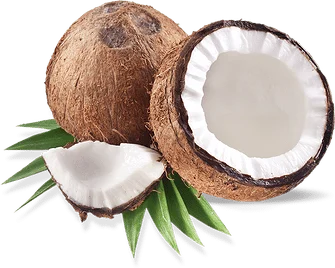
Across tropical towns and vibrant coastal cities, towering pyramids of emerald green coconuts line busy streets, skillfully cleaved open with machetes to reveal one of nature’s purest creations. Tender coconut water (the clear liquid endosperm of young Cocos nucifera) is a living, sterile beverage filtered through meters of fibrous palm roots and trunk tissues. Far from being a simple thirst-quencher, this unadulterated fluid functions as a biologically active isotonic electrolyte solution that closely mirrors the osmolarity and mineral balance of human blood plasma [1].
Modern supermarket shelves overflow with brightly dyed commercial sports beverages and synthetic energy drinks packed with high-fructose corn syrup, artificial colors, and chemical stabilizers. In contrast, fresh tender coconut water delivers natural hydration with zero industrial processing. Over recent decades, clinical researchers, sports medicine specialists, and nephrologists have rigorously analyzed the therapeutic qualities of coconut water, documenting measurable systemic changes in human metabolism, cardiovascular tone, and renal clearance [1, 2].
What physiological transformations occur inside your body when you consume fresh tender coconut water daily for seven consecutive days? How does this natural fluid dissolve microscopic renal crystals, modulate arterial blood pressure, and revitalize cellular mitochondria? Furthermore, who must exercise caution due to underlying kidney vulnerabilities? Below, we examine the molecular biochemistry, nephrology evidence, and cardiovascular mechanisms that unfold over a seven-day protocol [2, 3].
- 600 mg
- Potassium Per Cup Supplies roughly 15-18% of the daily adult potassium requirement
- 250-300
- Osmolarity mOsm/L Natural isotonic density matching human blood plasma for rapid uptake
- 45 kcal
- Low Caloric Density Zero refined sugars, low glycemic index, and minimal caloric load
- 0 g
- Fats & Cholesterol Completely lipid-free clear fluid that protects arterial circulation
The Biochemical Profile and Isotonic Osmolarity of Coconut Water
To appreciate the systemic effects of tender coconut water, one must inspect its biochemical constitution. While roughly 94 to 95 percent of coconut water consists of purified biological water, the remaining 5 percent contains a synergistic matrix of vital minerals, bioactive enzymes, and free amino acids. A single standard serving (240 milliliters) provides approximately 600 milligrams of potassium, 60 milligrams of magnesium, 252 milligrams of sodium, and 58 milligrams of bioavailable calcium [1, 3].
The defining physiological feature of coconut water is its potassium-to-sodium ratio. In modern industrial diets dominated by refined table salt (sodium chloride) and processed foods, intracellular potassium is chronically depleted while extracellular sodium surges. This imbalance strains the cellular sodium-potassium adenosine triphosphatase pump (Na+/K+-ATPase pump), elevating systemic blood pressure and causing fluid retention. Drinking a single cup of fresh coconut water delivers nearly 18 percent of an adult’s daily potassium requirement, actively restoring cellular membrane electrical potential [2].
Unlike commercial sodas or processed fruit juices, the carbohydrates in coconut water consist of easily digestible simple monosaccharides: natural glucose and fructose. It also contains essential B-complex vitamins (niacin, thiamine, pyridoxine) and free amino acids such as L-arginine, alanine, and cysteine. With an osmolarity ranging between 250 and 300 mOsm/L, coconut water is naturally isotonic. Intestinal epithelial cells absorb it rapidly across mucosal membranes into the bloodstream without demanding digestive osmotic energy [1, 4].
Renal Protection and Kidney Stone Prevention
Nephrolithiasis, or kidney stone formation, is an increasingly prevalent metabolic disorder exacerbated by chronic dehydration, high-sodium diets, and elevated dietary oxalates. When urinary concentrations of calcium, oxalate, phosphate, and uric acid become supersaturated, they aggregate into microscopic crystalline nuclei that grow into obstructing stones within the renal tubules and ureters, causing severe flank pain and hematuria [3].
Clinical nephrology studies demonstrate that daily consumption of tender coconut water acts as a potent prophylactic against stone formation. In controlled clinical trials, coconut water consumption produced a mild, natural diuretic effect while significantly increasing the urinary excretion of citrate and potassium. Citrate is the body’s primary endogenous stone inhibitor; it binds free ionic calcium in urine, forming soluble calcium citrate complexes that prevent calcium from binding with oxalate [3].
Furthermore, tender coconut water contains polyphenolic antioxidants that mitigate lipid peroxidation and oxidative stress within the renal tubular epithelium. By neutralizing free radicals caused by high oxalate exposure, it prevents epithelial cell injury, the cellular baseline upon which crystals anchor and aggregate. Over seven days of regular intake, urinary pH is gently alkalinized, flushing out micro-crystals before they can organize into obstructive calculi [3].
Cardiovascular Tone and Endothelial Nitric Oxide Synthesis
Hypertension is a major contributor to ischemic heart disease, stroke, and vascular dementia. Stiffened arterial walls, elevated systemic vascular resistance, and impaired sodium excretion by the kidneys drive chronically elevated blood pressure. A landmark clinical trial published in the West Indian Medical Journal evaluated hypertensive patients who drank fresh coconut water daily for two weeks. The results showed that 71 percent of participants experienced a mean reduction of 24 mmHg in systolic blood pressure, while 29 percent achieved a 15 mmHg reduction in diastolic pressure [2].
Two distinct biochemical mechanisms drive this hypotensive effect. First, the abundant potassium in coconut water acts directly upon the distal convoluted tubules of the kidneys, inhibiting sodium reabsorption and promoting natriuresis, the urinary excretion of excess sodium and water. This natural fluid regulation reduces circulating plasma volume, easing pressure against arterial walls [2, 4].
Second, coconut water is rich in L-arginine, a conditionally essential amino acid that serves as the biological substrate for endothelial nitric oxide synthase (eNOS). This enzyme synthesizes nitric oxide, a gaseous signaling molecule that diffuses into vascular smooth muscle cells, triggering vasodilation. As peripheral arterioles relax and widen, systemic vascular resistance drops, allowing blood to circulate effortlessly while reducing cardiac workload [1, 2].
Post-Exercise Rehydration and Digestive Enzyme Support
During strenuous exercise or manual labor in hot weather, the body loses fluid and key electrolytes through sweat. Without timely replenishment, this loss triggers painful muscle cramps, heat fatigue, and reduced endurance. Commercial sports drinks formulated for rehydration often carry artificial flavors, synthetic colors, and 14 to 18 grams of refined sugar per bottle [4].
A study in the Journal of Physiological Anthropology and Applied Human Science compared athletes rehydrating with fresh coconut water, a commercial sports drink, or plain water. Coconut water restored hydration just as effectively as commercial sports beverages, while causing significantly less fullness, nausea, and stomach distress [4].
Additionally, fresh coconut water contains naturally occurring enzymes, including acid phosphatase, catalase, and diastase. These enzymes support digestion in the upper gastrointestinal tract. For individuals experiencing acid reflux, drinking coconut water in the morning helps neutralize excess stomach acid and soothe esophageal tissues [1, 3].
Glycemic Control and Metabolic Health
People managing prediabetes or type 2 diabetes often wonder if the mild sweetness of coconut water causes blood glucose spikes. A 240-milliliter cup contains only 6 to 9 grams of natural carbohydrates. With a low glycemic index of 54 and a glycemic load of just 3, its impact on blood sugar is minimal [1].
Furthermore, the magnesium in coconut water supports insulin receptor sensitivity, helping muscle cells take up glucose efficiently. Research shows consistent coconut water intake helps stabilize glycemic markers and protects pancreatic beta cells from oxidative damage [1].
However, people with diabetes should drink only the clear liquid from young green coconuts. Avoid eating the thick white coconut meat (malai), which contains concentrated fats and higher calories that can affect weight and lipid management.
Clinical Warnings: Hyperkalemia and Kidney Disease
Despite its remarkable therapeutic virtues, tender coconut water is not suitable for every clinical situation. Specific patient populations must restrict or strictly avoid it due to electrolyte risks [2]:
- Chronic Kidney Disease (CKD Stages 4 and 5): Healthy kidneys easily filter out surplus potassium. However, when glomerular filtration rates fall below 30 mL/min, the kidneys lose the ability to excrete potassium. In these patients, drinking potassium-dense coconut water can trigger life-threatening hyperkalemia (blood potassium exceeding 5.5 mEq/L), precipitating lethal cardiac arrhythmias and sudden cardiac arrest. Individuals on dialysis must strictly avoid coconut water [2].
- Potassium-Sparing Medications: Patients taking potassium-sparing diuretics (such as spironolactone, eplerenone, or triamterene) or high-dose ACE inhibitors and angiotensin receptor blockers (ARBs) must consult their physician before consuming daily coconut water to prevent dangerous potassium accumulation [2].
- Pre-Surgical Considerations: Because coconut water influences vascular tone and systemic electrolyte levels, surgeons recommend discontinuing high-dose coconut water consumption two weeks prior to scheduled elective surgery to prevent intraoperative blood pressure fluctuations [1, 2].
| Nutrient (Per 240 mL) | Fresh Coconut Water | Commercial Sports Drink | Packaged Orange Juice |
|---|---|---|---|
| Calories | 45 kcal | 60–80 kcal | 110–130 kcal |
| Potassium Content | 600 mg (High) | 35–50 mg | 200–250 mg |
| Added Sugars | 0 g (Zero Added) | 14–18 g | 20–26 g |
| Artificial Preservatives | None | Dyes, Acidulants | Sodium Benzoate |
| Intestinal Absorption | Rapid (Isotonic) | Moderate | Slow (Hypertonic) |
The 7-Day Physiological Timeline
When an individual with normal renal function drinks fresh tender coconut water every morning for seven days, the body progresses through a distinct sequence of physiological adaptations [1, 3, 4]:
Days 1 to 2 (Rapid Hydration and Natriuresis): Electrolyte balance is re-established in the vascular compartment. High potassium intake prompts the kidneys to shed stored excess sodium, reducing puffiness around the eyes, ankles, and facial tissues. Urine volume increases, becoming clear and pale as renal filtration accelerates [1].
Days 3 to 4 (Arterial Relaxation and Gastric Soothing): Endothelial nitric oxide synthesis increases, promoting peripheral vasodilation. Mild hypertension begins to moderate, alleviating tension headaches and neck stiffness. Bioactive enzymes and alkaline minerals neutralize morning gastric acidity, resolving heartburn and digestive discomfort [2, 4].
Days 5 to 7 (Mitochondrial Energy and Dermal Vitality): As intracellular magnesium levels normalize, mitochondrial ATP generation runs with greater efficiency, eliminating the typical afternoon energy slump. Enhanced cellular hydration plumps epidermal cells, improving skin elasticity, moisture barrier function, and facial radiance [1].
Aquaporin Water Channels and Cellular Rehydration
How does fluid penetrate the 37 trillion cells of the human body? The discovery of aquaporins, specialized water channels embedded across cell membranes, earned Peter Agre the 2003 Nobel Prize in Chemistry. When someone drinks hypertonic, sugary beverages, water is drawn out of cells via osmosis to dilute the concentrated gut contents, causing paradoxical cellular shrinkage and persistent thirst [1, 4].
Tender coconut water, by contrast, matches the physiological osmolarity of extracellular fluid. Its precise ratio of potassium, sodium, and magnesium ions engages aquaporin channels instantly, funneling biological water directly into dehydrated cells without osmotic resistance. This makes coconut water exceptionally revitalizing for athletes, outdoor workers, and individuals recovering from viral fevers [4].
Optimal Timing for Maximum Health Benefits
To extract the greatest physiological benefits from tender coconut water, timing is an important consideration [1, 3]:
1. Morning on an Empty Stomach: Drinking fresh coconut water first thing in the morning provides superior benefits. Following an overnight fast of 7 to 8 hours, the body is naturally dehydrated. Lauric acid present in coconut water exerts gentle antimicrobial activity against opportunistic gut microbes while neutralizing overnight gastric acid accumulation [1].
2. Pre- and Post-Workout: Consuming coconut water 30 minutes before exercise pre-loads intracellular electrolytes, staving off exercise-induced dehydration and lactic acid accumulation. Post-exercise consumption swiftly replaces sweat-depleted potassium and glycogen stores without causing gastrointestinal cramps [4].
Frequently Asked Questions
Can people with diabetes drink tender coconut water daily?
Yes, in moderation. Fresh coconut water has a low glycemic index of 54 and a minimal glycemic load of 3. Its magnesium content also supports insulin receptor sensitivity. However, diabetic individuals should drink only the clear liquid and avoid the high-fat, calorie-dense white coconut flesh (malai).
Does coconut water help treat active urinary tract infections?
Tender coconut water functions as a natural diuretic, increasing urine volume and flushing pathogenic bacteria out of the urinary tract. Its alkaline minerals also reduce urinary burning sensations. While it supports recovery, bacterial infections still require appropriate medical evaluation.
Can coconut water replace IV saline fluids in medical emergencies?
During World War II and in remote tropical emergencies, sterile coconut water was occasionally administered intravenously because its osmolarity matches blood plasma. However, in modern medicine, standard IV saline and Ringer lactate fluids are preferred due to precise pharmaceutical standardization.
How quickly should fresh coconut water be consumed after opening?
Coconut water should be consumed immediately upon opening. Once exposed to atmospheric oxygen, its sensitive enzymes and antioxidants oxidize rapidly, turning the liquid yellowish or sour within two hours and diminishing its biological potency.
The chemical composition and biological properties of coconut (Cocos nucifera L.) water
- Journal
- Molecules
- Study Type
- Review
- Year
- 2009
DOI10.3390/molecules14125144
The control of hypertension by use of coconut water and mauby: two tropical food drinks
- Journal
- West Indian Medical Journal
- Study Type
- Clinical Trial
- Year
- 2005
DOI10.1590/S0043-31442005000100002
Prophylactic effect of coconut water (Cocos nucifera L.) on ethylene glycol induced nephrolithiasis
- Journal
- International Urology and Nephrology
- Study Type
- Research Paper
- Year
- 2013
DOI10.1007/s11255-013-0519-6
Rehydration after exercise with fresh coconut water, carbohydrate-electrolyte beverage and plain water
- Journal
- Journal of Physiological Anthropology and Applied Human Science
- Study Type
- Clinical Trial
- Year
- 2002
DOI10.2114/jpa2.21.93
References
- ↩ The chemical composition and biological properties of coconut (Cocos nucifera L.) water
- ↩ The control of hypertension by use of coconut water and mauby: two tropical food drinks
- ↩ Prophylactic effect of coconut water (Cocos nucifera L.) on ethylene glycol induced nephrolithiasis
- ↩ Rehydration after exercise with fresh coconut water, carbohydrate-electrolyte beverage and plain water
No comments yet. Be the first to join the conversation.