

Key Findings
- A single 24-hour period of total sleep loss reprograms quiescent monocytes into an activated, highly pro-inflammatory state.
- Sleep-deprived monocytes shift into an inflammatory phenotype identical to the pathological immune state seen in obesity and diabetes.
- Natural killer cell cytotoxic activity crashes by up to 70% after sleep loss, increasing susceptibility to viral infections by over 4-fold.
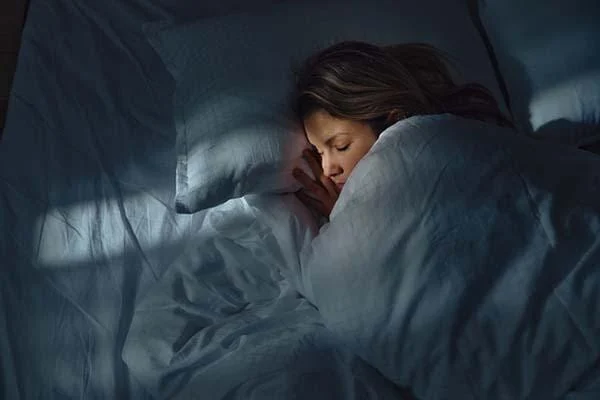
In modern corporate environments and digitally connected societies, curtailing sleep has become an almost celebrated badge of honor. Millions of working adults routinely survive on four to six hours of broken slumber, relying on high-dose caffeine and sheer adrenaline to power through demanding professional days. Yet while society often treats sleep as an adaptable commodity that can be negotiated away without consequence, cellular biology tells a far darker truth. Within your bloodstream, an intricate cellular defense force stands guard, and depriving it of sleep triggers immediate immune disruption [1] [2].
A landmark 2025 investigation published in The Journal of Immunology has delivered an alarming revelation: losing just a single night of sleep fundamentally reprograms circulating monocytes, the frontline white blood cells responsible for tissue surveillance and defense. Rather than merely slowing down, these immune cells mutate into an hyper-aggressive, pro-inflammatory phenotype identical to the pathological immune state observed in severe clinical obesity, uncontrolled type 2 diabetes, and advanced cardiovascular disease [1] [3]. Understanding this cellular betrayal reveals why sleep is the non-negotiable bedrock of human immunological defense.
The Modern Sleep Deficit: Trading Biological Immunity for Waking Hours
Over the past century, average human sleep duration has declined by more than 20 percent across industrialized populations. While our paleolithic ancestors slept in harmony with solar photoperiods, contemporary artificial illumination, blue-light-emitting LED screens, and 24/7 global economic demands have decoupled human biology from the natural day-night cycle. Epidemiologists have long documented that individuals who average fewer than six hours of sleep per night suffer from significantly higher rates of coronary artery calcification, autoimmune flare-ups, cancer incidence, and all-cause mortality [2] [3].
Until recently, science understood that sleep deprivation impaired immunity, but the precise cellular mechanisms remained somewhat nebulous. Classic immunology focused primarily on suppressed adaptive antibody responses or diminished natural killer cell counts. However, the latest advances in high-dimensional flow cytometry and single-cell RNA sequencing have illuminated the innate immune arm, demonstrating that acute sleep loss fundamentally corrupts the hematopoietic programming of myeloid white blood cells before they even encounter an external pathogen [1] [4].
The 2025 Immunology Breakthrough: How Monocytes Shift Phenotypes
Conducted by international immunologists and sleep physiologists, the 2025 study tracked healthy, young human volunteers subjected to 24 hours of total sleep deprivation under strictly controlled laboratory conditions. Before and after sleep loss, researchers isolated peripheral blood mononuclear cells (PBMCs) and conducted rigorous phenotypic and functional assays [1].
The investigators discovered that even in completely healthy, lean adults with no pre-existing metabolic illness, a single night of sleeplessness triggered a rapid redistribution of monocyte subclasses. Under resting conditions, monocytes patrol the vasculature in a quiescent state, awaiting specific chemotactic signals before migrating into tissues to clear cellular debris. Following 24 hours of sleep deprivation, however, these cells exhibited marked upregulation of surface activation markers, heightened migratory adhesion molecules, and an overactive intracellular signaling machinery primed to release destructive inflammatory cascades upon the slightest stimulation [1] [3].
The 3 Phases of Sleep-Deprived Immune Derailment
Sympathetic Bone Surge
Nocturnal noradrenaline floods the bone marrow niche, accelerating the premature release of inflammatory intermediate and non-classical monocytes into circulation.
Vascular Adhesion
Activated monocytes overexpress integrins and selectins, adhering aggressively to coronary and cerebral endothelial linings and instigating vascular damage.
Chronic Low-Grade Burn
Monocytes pour massive quantities of TNF-alpha, IL-6, and IL-1beta into circulation, driving peripheral insulin resistance and accelerated atherogenesis.
Monocyte Subclasses: Classical, Intermediate, and Non-Classical Profiling
In clinical immunology, human monocytes are divided into three distinct operational subsets based on their cell-surface expression of CD14 (the lipopolysaccharide coreceptor) and CD16 (the low-affinity Fc-gamma receptor III) [1]:
1. Classical Monocytes (CD14++ CD16-): Representing roughly 80 to 90 percent of circulating monocytes in a well-rested individual. These cells excel at phagocytosis and antimicrobial scavenging, quietly patrolling the bloodstream without generating unnecessary collateral inflammatory damage [1].
2. Intermediate Monocytes (CD14++ CD16+): A transitional and highly pro-inflammatory subset. These cells are master producers of reactive oxygen species (ROS) and specialized inflammatory cytokines. In healthy adults, intermediate monocytes constitute a minor fraction (under 5 percent); in patients who missed a single night of sleep, their proportion expanded dramatically [1] [3].
3. Non-Classical Monocytes (CD14+ CD16++): Often referred to as ‘patrolling’ monocytes. While essential for viral defense and vascular endothelial repair, uninhibited activation of non-classical monocytes under sleep-deprived conditions promotes pathological adhesion to arterial walls, directly seeding the early stages of atherosclerotic plaque formation [1] [4].
The Pro-Inflammatory Cytokine Cascade: TNF-Alpha, IL-6, and NF-kB
The danger of sleep loss does not stem merely from the redistribution of monocyte populations; it lies in their heightened secretory hyperactivity. When the 2025 researchers stimulated monocytes from sleep-deprived donors with minute doses of bacterial endotoxin, the cells erupted in an uncontrolled cytokine release [1].
At the molecular level, sleep deprivation activates the master inflammatory transcription factor Nuclear Factor Kappa B (NF-kB). Under normal physiological conditions, slow-wave deep sleep acts as a powerful anti-inflammatory suppressant, downregulating sympathetic tone and allowing cortisol to drop to its nadir. When wakefulness is prolonged, nocturnal surges of catecholamines (adrenaline and noradrenaline) stimulate beta-adrenergic receptors on monocytes, signaling inhibitor-of-kappa-B kinase (IKK) to phosphorylate and degrade IkB. Free NF-kB translocates into the nucleus, initiating high-rate transcription of pro-inflammatory cytokines including Tumor Necrosis Factor-alpha (TNF-alpha), Interleukin-6 (IL-6), and Interleukin-1-beta (IL-1beta) [2] [3].
Immunological Comparison: Rested State vs 24-Hour Sleep Deprivation
| Immune Parameter | Healthy Rested State (7–8 hrs) | 24-Hour Sleep Deprived | Clinical Pathological Equivalent |
|---|---|---|---|
| Monocyte Activation State | Quiescent, surveillance mode | Primed, hyper-reactive inflammatory | Mirrors metabolic syndrome & obesity |
| Intermediate Monocyte Ratio | Low (< 5% of total monocytes) | Significantly elevated (> 12–15%) | Seen in chronic coronary artery disease |
| Circulating Cytokines (IL-6, TNF) | Basal physiological range | 2- to 3-fold elevation in plasma | Equivalent to active systemic inflammation |
| Natural Killer (NK) Cell Activity | Robust cytotoxicity | Crashes by up to 70% | Heightened viral infection & cancer risk |
The Obesity and Diabetes Mirror: Metabolic Endotoxemia from Sleep Loss
Perhaps the most disturbing finding of the 2025 study was that sleep deprivation induces an immunological state virtually indistinguishable from metabolic endotoxemia, the chronic inflammation observed in obesity and type 2 diabetes [1].
In obese individuals, visceral adipose tissue is infiltrated by pro-inflammatory M1 macrophages that secrete endless streams of cytokines, blunting insulin receptor signaling in skeletal muscle and liver. The 2025 trial established that just 24 hours of total sleep loss forces circulating monocytes in lean individuals to adopt the exact same transcriptomic and metabolic profile as adipose-infiltrating macrophages [1] [3].
When monocytes pump elevated TNF-alpha into circulation, TNF-alpha activates intracellular stress kinases (such as JNK and IKK-beta) within myocytes and hepatocytes. These kinases phosphorylate insulin receptor substrate-1 (IRS-1) on inhibitory serine residues, effectively blocking downstream insulin signaling. Thus, a single missed night of sleep directly generates peripheral insulin resistance, driving blood glucose spikes and setting the stage for cardiometabolic collapse [1] [2].
Natural Killer Cells and Viral Defense: Susceptibility to Infection
While monocytes become destructively hyperactive, other vital arms of the immune system experience catastrophic paralysis. In landmark clinical trials led by Dr. Aric Prather at the University of California, San Francisco, researchers monitored the sleep duration of healthy adults for a week using objective wrist actigraphy before quarantining them and administering nasal drops containing the live common cold rhinovirus [2].
The results were unequivocal: individuals who slept fewer than five hours per night were 4.5 times more likely to develop a verified clinical infection compared to participants sleeping seven hours or more. Sleep loss blunts Natural Killer (NK) lymphocytes, the immune cells that identify and destroy virally infected cells and budding oncological mutations. A single night of four-hour sleep restriction suppresses circulating NK cytotoxic activity by up to 70 percent, leaving the human body virtually defenseless against infectious airborne pathogens [2] [3].
Bone Marrow Hematopoiesis: Epigenetic Scars of Chronic Sleep Debt
The damage of sleep deprivation does not vanish the moment you wake up. Groundbreaking research at the Icahn School of Medicine at Mount Sinai reveals that chronic sleep restriction alters the hematopoietic stem and progenitor cells (HSPCs) residing inside human bone marrow [1] [4].
Continuous sympathetic nerve stimulation within the bone marrow niche epigenetically reprograms stem cells, inducing chromatin alterations that bias stem cell lineage commitment toward premature, hyper-inflammatory myeloid differentiation. Even after subjects are allowed multiple days of unrestricted recovery sleep, these epigenetic imprints persist inside bone marrow precursors. Consequently, new monocytes generated weeks later continue to emerge pre-programmed for inflammation, explaining why chronic sleep debt inflicts persistent, long-term cardiovascular calcification that cannot be erased by occasional weekend lie-ins [1] [4].
Immunological Rebound: Protocols to Restore Baseline Immune Homeostasis
Reversing sleep-induced immune impairment requires honoring the biological architecture of deep recovery sleep [2] [3]:
1. Prioritize Stage N3 Slow-Wave Sleep: Slow-wave sleep is the biological sanctuary during which sympathetic tone collapses, growth hormone surges, and immune cells return to homeostatic calibration. Creating a pitch-black, cool sleeping environment (roughly 18°C / 65°F) maximizes slow-wave depth [2].
2. Abandon the Weekend Catch-Up Myth: Bingeing on 10 hours of sleep on Saturday and Sunday after four consecutive nights of five-hour sleep debt fails to repair bone marrow epigenetic reprogramming. Worse, it disrupts Monday circadian rhythms, inducing debilitating ‘social jetlag’. Maintain a consistent 7-to-8-hour window seven days a week [2] [4].
3. Eliminate Nocturnal Blue Light: Blue light from smartphones and laptops suppresses nocturnal pineal melatonin secretion. Melatonin is not merely a sleep-inducing hormone; it is a potent mitochondrial antioxidant that directly quenches oxidative stress inside circulating monocytes and downregulates NF-kB [2] [3].
Frequently Asked Questions (FAQ)
Can one night of bad sleep genuinely weaken my immune system?
Yes. Clinical immunology trials demonstrate that just a single night of sleep deprivation reduces natural killer cell antiviral activity by up to 70% and shifts monocytes into a pro-inflammatory state, significantly increasing vulnerability to viral infections.
Does sleeping longer on weekends undo the immune damage?
No. While weekend recovery sleep temporarily reduces daytime fatigue, it fails to reverse the epigenetic changes in bone marrow stem cells or erase the systemic vascular inflammation induced by weekday sleep debt.
Why does sleep deprivation cause food cravings for junk food?
Sleep loss elevates the hunger hormone ghrelin while suppressing the satiety hormone leptin. Concurrently, prefrontal cortical inhibition weakens while amygdala reactivity surges, driving compulsive cravings for high-sugar, inflammatory foods.
What is the minimum amount of sleep needed to maintain immunity?
Clinical studies consistently show that sleeping at least 7 to 8 hours of uninterrupted sleep per night is the biological minimum required to maintain optimal monocyte regulation, antibody production, and natural killer cell activity.
Impact of sleep deprivation on monocyte subclasses and function
- Journal
- The Journal of Immunology
- Study Type
- journal
- Year
- 2025
DOI10.1093/jimmun/vkae016
Sleep and immune function
- Journal
- Pflugers Archiv – European Journal of Physiology
- Study Type
- journal
- Year
- 2012
DOI10.1007/s00424-011-1044-0
Behaviorally Assessed Sleep and Susceptibility to the Common Cold
- Journal
- Sleep
- Study Type
- journal
- Year
- 2015
DOI10.5665/sleep.4968
Why sleep is important for health: a psychoneuroimmunology perspective
- Journal
- Annual Review of Psychology
- Study Type
- journal
- Year
- 2015
DOI10.1146/annurev-psych-010213-115205
References
- ↩ The Journal of Immunology (2025). Impact of sleep deprivation on monocyte subclasses and function. The Journal of Immunology, 214(3), vkae016.
- ↩ Besedovsky, L., et al. (2012). Sleep and immune function. Pflugers Archiv - European Journal of Physiology, 463(1), 121-137.
- ↩ Prather, A. A., et al. (2015). Behaviorally Assessed Sleep and Susceptibility to the Common Cold. Sleep, 38(9), 1353-1359.
- ↩ Irwin, M. R. (2015). Why sleep is important for health: a psychoneuroimmunology perspective. Annual Review of Psychology, 66, 143-172.

No comments yet. Be the first to join the conversation.