


Before You Begin
- Time Needed
- 15 minutes
- Difficulty Level
- Beginner (Easy)
- Requirements / Materials
- Stainless steel or clay pot, dense cotton cloth or coffee filter, heat source, clean glass or clay storage container
- Benefits & Outcome
- Elimination of up to 90% of toxic microplastics and coarse limescale sediment from household drinking water
- Precaution & Safety
- Allow boiling water to cool completely before filtration. Never pour boiling water into plastic containers.
Key Findings
- Boiling mineral-rich hard tap water for five minutes traps up to 90 percent of suspended nano- and microplastics inside insoluble calcium carbonate crystals.
- Boiling alone does not destroy plastics; water must cool completely and pass through a fine cotton cloth or coffee filter to mechanically remove the encapsulated particles.
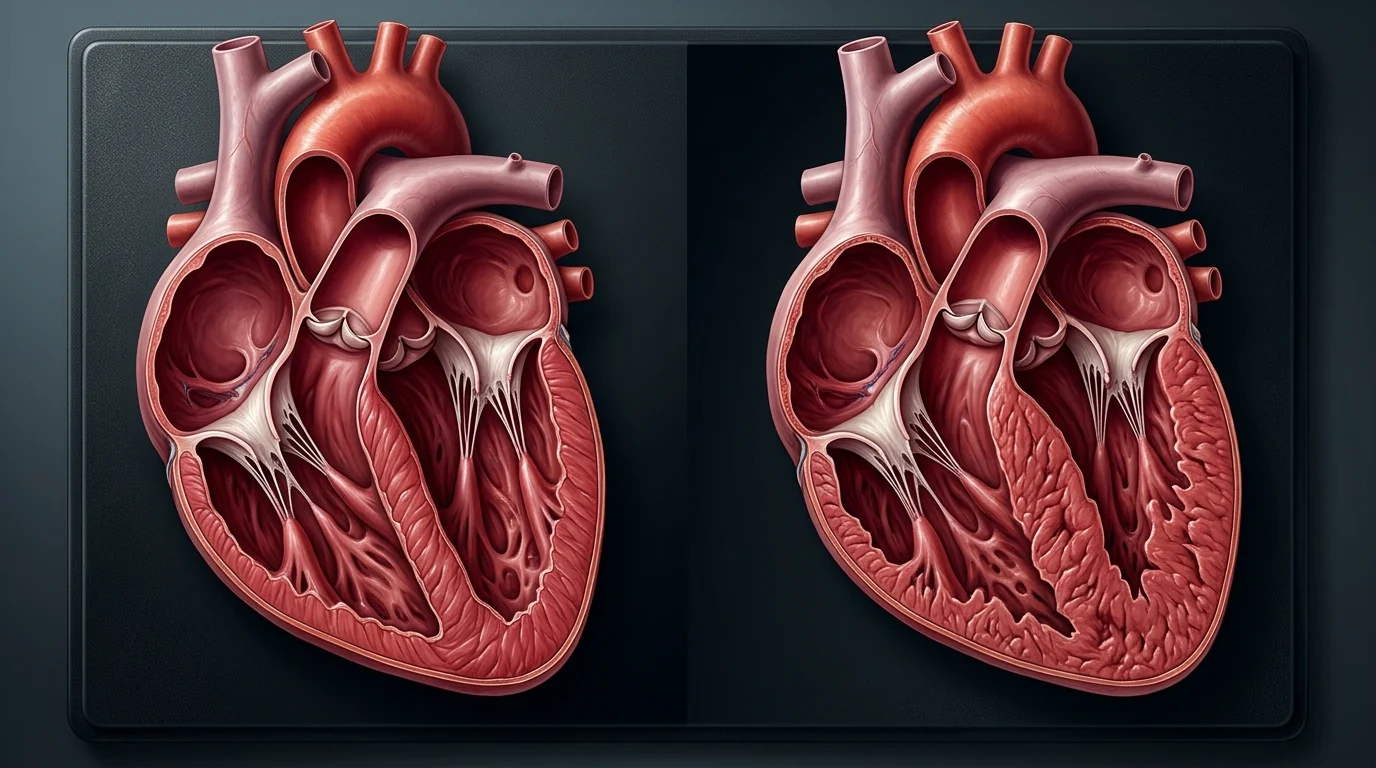
- Microplastics and nanoplastics have been discovered embedded in human arterial plaques, where their presence corresponds with a 4.5-fold higher risk of heart attack and stroke.
Whenever you take a glass of clear drinking water, you swallow thousands of microscopic plastic particles without realizing it. Rapid industrialization and widespread packaging reliance have introduced synthetic polymers into freshwater aquifers, rivers, and treatment systems worldwide [2]. According to official technical assessments published by the World Health Organization, polyethylene, polypropylene, and polystyrene debris contaminate municipal water infrastructure across global urban centers [2]. In tropical and warm climates, prolonged sun exposure and high temperatures during transport degrade commercial plastic bottles, accelerating particle shedding into drinking water [2].
The health consequences of chronic microplastic ingestion extend far beyond temporary gastrointestinal exposure. A landmark clinical trial published in the New England Journal of Medicine (NEJM) examined carotid artery plaque specimens retrieved from 257 cardiovascular surgery patients [3]. Pathologists discovered microscopic polyethylene and polyvinyl chloride fragments embedded inside vascular tissues in over 58 percent of the cohort [3]. Patients harboring plastic particles within their arterial atheromas experienced a 4.53-fold higher incidence of myocardial infarction, stroke, or all-cause mortality over a three-year follow-up compared to patients without detectable arterial plastics [3]. Tracking metabolic health and vascular inflammation aligns closely with findings discussed in our analysis of why heart attacks strike people with normal cholesterol levels. These findings make domestic microplastic removal an urgent health priority.
The Chemistry of Boiling: How Mineral Crystals Trap Plastic Polymers
The experimental study led by Dr. Zhanjun Li and Professor Eddy Zeng, published in the American Chemical Society journal Environmental Science & Technology Letters, examined how common tap water minerals interact with floating plastic debris under thermal heating [1]. The researchers spiked both soft water and mineral-rich hard water with nano- and microplastics, including polystyrene, polyethylene, and polypropylene particles ranging from 0.1 to 150 micrometers in size [1].
Most residential groundwater and municipal tap water contains significant quantities of dissolved calcium bicarbonate. When you heat this water above 80 degrees Celsius and bring it to a rolling boil, dissolved calcium bicarbonate undergoes thermal decomposition into carbon dioxide gas, water, and solid calcium carbonate. This solid precipitate forms the familiar chalky white encrustation commonly known as limescale [1].
As calcium carbonate crystals nucleate and expand throughout the boiling liquid, they physically bind to floating polymer surfaces. This phenomenon, known as co-precipitation, causes the crystalline mineral lattice to grow around the plastic particles, locking them into dense mineral aggregates that sink toward the bottom of the vessel [1]. In water containing 180 to 300 milligrams per liter of calcium carbonate, this crystalline entrapment captures up to 90 percent of suspended polystyrene and polyethylene particles [1]. Similar toxicological concerns regarding maternal and infant exposure are examined in our review of microplastics in breast milk and maternal toxicology.
Scanning electron microscopy (SEM) and energy-dispersive X-ray spectroscopy performed by the research team revealed that the calcium carbonate crystals form polymorphic structures, predominantly calcite and aragonite. As these mineral facets interlock, they encapsulate plastic spheres and irregular polymer fibers within a dense, rigid inorganic shell. This crystalline coating prevents the trapped particles from dispersing back into the surrounding liquid column even after extensive agitation [1].
Nanoplastics measuring less than one micrometer in diameter pose the greatest physiological threat because their minute dimensions allow them to bypass intestinal epithelial junctions and enter capillary blood vessels directly. The Jinan University team demonstrated that calcium carbonate co-precipitation proves remarkably effective against these tiny particles, trapping over 80 percent of nanoplastics within solid scale aggregates [1]. The high surface-area-to-volume ratio of nanoscale plastics actually accelerates mineral adsorption, making them prime targets for crystalline capture during thermal heating [1, 2].
Water Hardness Thresholds and Particle Removal Efficiency
The efficiency of plastic removal depends directly on the mineral hardness of your source water. To quantify this relationship, the research team tested removal rates across water samples containing varying concentrations of calcium carbonate [1]. Their laboratory measurements show how mineral content determines scale formation and cleaning success [1].
| Water Hardness Classification | Calcium Carbonate (mg/L) | Microplastic Removal (%) | Nanoplastic Removal (%) | Household Recommendation |
|---|---|---|---|---|
| Very Hard Tap Water | Above 300 mg/L | 89.6% | 84.2% | Boiling and cloth straining achieves optimal plastic separation |
| Moderately Hard Tap Water | 180 – 300 mg/L | 84.0% | 78.5% | Standard municipal and groundwater profile in residential areas |
| Slightly Hard Water | 60 – 120 mg/L | 52.3% | 46.1% | Partial scale formation requires careful filtering |
| Very Soft or Rainwater | Below 60 mg/L | 25.4% | 21.8% | Low mineral scale yields limited capture; mineral buffering advised |
Source: Environmental Science & Technology Letters experimental dataset (Li & Zeng, 2024).
These findings overturn common assumptions about household water quality. Many consumers view chalky mineral deposits on cookware as undesirable contamination. In reality, those calcium minerals serve as natural chemical sponges, binding toxic microplastics and making them heavy enough to filter out physically [1]. Understanding the biological benefits of clean hydration also connects with our guide on drinking water on an empty stomach and morning hydration.
Step-by-Step Household Procedure for Microplastic Removal
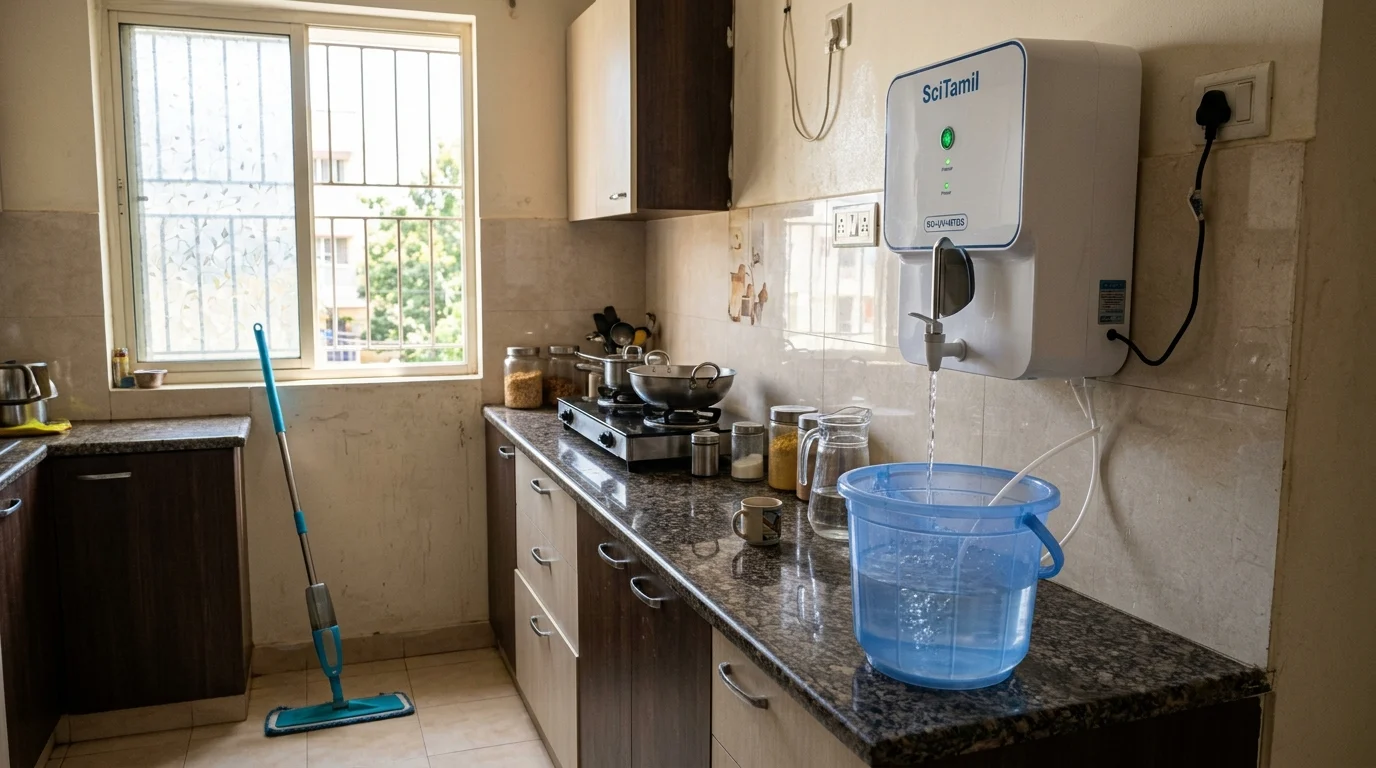
Transforming this scientific discovery into a daily kitchen routine requires no costly commercial filters. Follow these six practical steps to ensure thorough particle separation and safe drinking water storage [1].
Six Practical Steps to Remove Microplastics at Home
- Step 12 minutes
Select Appropriate Cookware and Water Source
Use a food-grade stainless steel stockpot or an untreated terracotta clay pot for boiling. Avoid electric plastic kettles, aluminum cookware, and pans with scratched non-stick coatings, as these materials leach chemical residues into heated water. Pour your municipal tap water or bottled supply into the clean pot.
Warning: Never pour boiling water directly into plastic buckets or plastic water jugs.
- Step 25-7 minutes
Boil at a Rolling Boil for Five Full Minutes
Bring the water to a vigorous boil and maintain heat for five continuous minutes. This sustained thermal duration ensures complete decomposition of calcium bicarbonate into solid calcium carbonate crystals, giving the mineral lattice sufficient time to trap suspended plastic fibers.
Tip: Keep the pot covered with a stainless steel lid to conserve energy.
- Step 320-30 minutes
Allow the Water to Cool Naturally to Room Temperature
Turn off the burner and leave the pot undisturbed until the water cools to room temperature. As temperature drops, the calcium carbonate scale crystals grow heavier and sink to the bottom of the pot, concentrating the trapped plastic particles in the lower sediment layer.
Tip: Allow natural cooling rather than rushing the process in a refrigerator.
- Step 43 minutes
Filter Through a Dense Cotton Cloth or Coffee Filter
Pour the cooled water slowly through a clean, double-layered, unbleached cotton cloth or a paper coffee filter fitted into a stainless steel funnel. The fine textile weave catches the crystalline mineral flakes while allowing clear, plastic-free water to pass through into your storage vessel.
Warning: Do not use loose mesh plastic or nylon tea strainers.
- Step 52 minutes
Store in Traditional Terracotta Pots or Glass Jars
Transfer the strained water directly into lead-free glass carboys, stainless steel dispensers, or traditional terracotta clay vessels. Clay pots offer natural evaporative cooling and replenish trace minerals without adding synthetic contaminants.
Tip: Wash clay pots weekly with warm saltwater and dry them thoroughly in sunlight.
- Step 65 minutes
Descale Your Boiling Vessel Once a Week
The white scale residue adhering to the bottom of your boiling pot holds the concentrated plastic particles from previous batches. Dissolve this buildup once a week by soaking the pot in warm water mixed with fresh lemon juice or white vinegar for 15 minutes, then wipe clean.
Tip: Natural citrus acid dissolves scale safely without leaving chemical detergent residues.
Comparing Household Water Purification Technologies
Households rely on multiple water treatment approaches, each offering distinct advantages and limitations regarding chemical and particulate safety [1, 2]. The following comparative breakdown details their relative performance across filtration, mineral retention, and operational cost.
Complementary Lifestyle Strategies to Minimize Daily Plastic Ingestion
Purifying domestic drinking water represents one vital defense, but reducing overall plastic consumption requires systemic changes across kitchen and food preparation routines [2, 3]. Because the digestive tract and liver process absorbed dietary chemicals, reducing synthetic exposures directly protects organ health, as detailed in our clinical research on why lean people suffer from severe fatty liver disease.
First, eliminate hot takeout beverages served in paper cups. Commercial single-use paper cups rely on an interior waterproof lining made of thin polyethylene film. When exposed to hot coffee, tea, or soup, this plastic film degrades rapidly, shedding approximately 25,000 microplastic fragments into a single cup within fifteen minutes. Carry a reusable stainless steel tumbler or glass travel mug instead.
Second, cease reheating food in plastic containers inside microwave ovens. Microwave energy destabilizes polymer bonds, driving chemical plasticizers and microplastics directly into heated fats and liquids. Reheat meals exclusively in ceramic or borosilicate glass containers. For produce storage, replace flimsy plastic grocery bags with washable cotton or jute totes.
Third, switch to cast iron and stainless steel cookware for daily frying and boiling. Polytetrafluoroethylene non-stick pans degrade when scraped with metal utensils, releasing microscopic fluoropolymer flakes into cooked food. Traditional cookware avoids synthetic coatings while providing durable, lifelong heat distribution.
Fourth, choose glass or medical-grade silicone feeding bottles for infants. Boiling and sterilizing plastic infant bottles with hot water causes significant polymer shedding into infant formula. Protecting early childhood development from endocrine-disrupting chemicals represents a crucial preventative measure for lifelong metabolic health [2].
Fifth, inspect domestic food packaging before long-term storage. Acidic foodstuffs like tomato sauces, pickles, and citrus preserves react with plastic storage tubs, accelerating chemical leaching into food matrixes. Transfer acidic condiments into sterile glass jars with non-reactive silicone seals to prevent ongoing polymer contamination.
Clinical Implications and the Path Forward for Household Water
The ubiquity of synthetic polymers in human blood, pulmonary tissue, placental samples, and arterial atheromas underscores the urgent need for accessible mitigation strategies [3]. While industrial regulatory policies and municipal infrastructure upgrades take years to implement, the simple physical chemistry of boiling hard tap water offers immediate personal protection [1].
By bringing tap water to a rolling boil for five minutes, allowing natural cooling, and straining the mineral precipitate through clean cotton cloth, households eliminate up to 90 percent of toxic plastic particles [1]. Combining this time-tested habit with durable glass and clay storage restores clean, natural hydration to everyday living, shielding your family from modern industrial contamination.
Frequently Asked Questions
Does boiling water vaporize or melt the plastic particles?
Boiling does not melt or vaporize plastics into the air. Instead, heat causes dissolved calcium and magnesium minerals to precipitate as solid calcium carbonate scale. These growing crystalline structures physically trap the microscopic plastic particles inside their matrix, allowing you to strain them out.
Can household reverse osmosis systems remove microplastics completely?
While high-grade reverse osmosis membranes effectively filter out plastic particles, most domestic systems route purified water through plastic tubes, internal filters, and storage tanks. This contact can reintroduce microplastic fragments directly into the finished drinking water.
Is packaged water in plastic carboys safe to drink without boiling?
Large 20-liter commercial water jugs exposed to transport heat, sunlight, and repeated reuse leach thousands of microscopic polymer fragments into the water. Boiling and filtering this water removes these shed particles before daily consumption.
Does this boiling method work effectively in soft water?
Soft water containing less than 60 milligrams per liter of calcium carbonate achieves only about a 25 percent microplastic reduction because there are insufficient minerals to form a scale trap. Adding a tiny pinch of food-grade calcium mineral or storing water in a clay pot increases mineral hardness and enhances particle removal.
How do you clean the white mineral residue left in the boiling vessel?
The chalky scale clinging to the bottom of your pot contains the captured plastic particles. Soak the vessel in a mild solution of fresh lemon juice or white vinegar for 15 minutes once a week, then scrub lightly with a sponge and rinse thoroughly.
Drinking Water Microplastics Removal by Boiling and Straining
- Journal
- Environmental Science & Technology Letters (ACS)
- Study Type
- Peer-Reviewed Research Paper
- Year
- 2024
Glossary
Scientific terms used in this article
- MicroplasticsSynthetic polymer fragments under five millimeters in diameter that contaminate municipal water supplies, packaged food, and atmospheric dust.
- Synthetic polymer fragments under five millimeters in diameter that contaminate municipal water supplies, packaged food, and atmospheric dust.
- NanoplasticsSub-micron plastic particles smaller than one thousand nanometers capable of crossing human gut and vascular epithelial barriers.
- Sub-micron plastic particles smaller than one thousand nanometers capable of crossing human gut and vascular epithelial barriers.
- Calcium CarbonateA naturally occurring alkaline mineral dissolved in hard tap water that precipitates into solid calcite scale upon thermal heating.
- A naturally occurring alkaline mineral dissolved in hard tap water that precipitates into solid calcite scale upon thermal heating.
- Co-precipitationA chemical separation process where dissolved mineral ions precipitate out of solution while mechanically capturing floating microscopic impurities.
- A chemical separation process where dissolved mineral ions precipitate out of solution while mechanically capturing floating microscopic impurities.
- AtheromaAn inflammatory fibro-fatty accumulation inside arterial walls where embedded foreign microplastic fibers worsen vascular disease risk.
- An inflammatory fibro-fatty accumulation inside arterial walls where embedded foreign microplastic fibers worsen vascular disease risk.
References
- ↩ Yu Z, Wang JJ, Liu LY, Li Z, Zeng EY. Drinking Water Microplastics Removal by Boiling and Straining. Environmental Science & Technology Letters. 2024;11(3):236-241.
- ↩ World Health Organization. Microplastics in drinking-water. WHO Guidelines Approved by the Guidelines Review Committee. Geneva: World Health Organization. 2019.
- ↩ Marfella R, Prattichizzo F, Sardu C, et al. Microplastics and Nanoplastics in Atheromas and Cardiovascular Events. New England Journal of Medicine. 2024;390(10):909-910.



No comments yet. Be the first to join the conversation.