

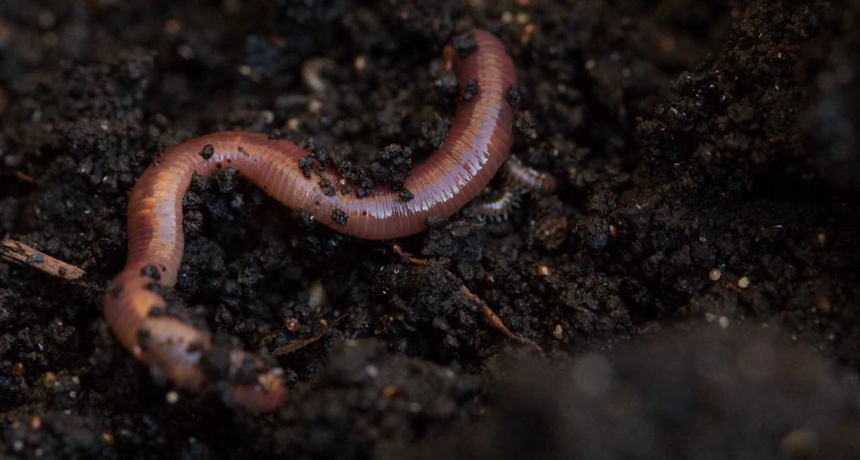

For centuries, agriculturalists, philosophers, and naturalists have revered the humble earthworm as the quiet architect of terrestrial life. In 1881, Charles Darwin published his final scientific masterpiece, The Formation of Vegetable Mould through the Action of Worms, concluding that few animals have played so critical a role in the history of the world as these lowly invertebrates [1]. By continuously burrowing, ingesting organic debris, and digesting mineral soil particles, earthworms aerate the earth, channel rainfall deep into subterranean aquifers, and churn out enzyme-rich, nutrient-dense casts that nourish global crops [1, 2].
Yet in modern agricultural landscapes, a silent, pervasive ecological catastrophe is unfolding beneath the topsoil. Driven by the widespread adoption of agricultural plastic mulching films (plasticulture), synthetic polymer fertilizers, sewage sludge applications, and deteriorating drip irrigation pipes, farmlands across the globe are accumulating millions of tons of microscopic plastic fragments (microplastics, measuring less than five millimeters, and nanoplastics, measuring less than 1,000 nanometers) [1].
Groundbreaking ecotoxicological investigations published in Environmental Pollution, Science of The Total Environment, and Nature Communications have revealed that microplastics act as severe internal physical poisons to earthworms (such as Lumbricus terrestris and Eisenia fetida) [1, 2]. These non-biodegradable synthetic polymers lacerate the delicate epithelial cells of the earthworm gut, trigger severe chronic inflammation, suppress reproductive cocoon production by up to fifty percent, and paralyze subterranean burrowing behavior [1]. When earthworms succumb to plastic toxicity, the entire biophysical architecture of farmland collapses. Here is the definitive scientific analysis of how microscopic plastic contamination is unraveling soil ecology.
- 50%
- Weight & Growth Loss
- 60%
- Burrowing Decline
- 12.5x
- Agricultural Density
- 40%
- Crop Yield Threat
The Unsung Soil Engineers: How Earthworms Build Terrestrial Fertility
To understand the magnitude of microplastic ecotoxicity, one must first appreciate the irreplaceable ecological duties performed by earthworms in healthy agricultural soils. Earthworms are classic ecosystem engineers: organisms that physically modify, maintain, and create entire habitats for thousands of other biological species, mirroring large-scale keystone animals as detailed in our study on ecosystem engineering and wildlife biology [1].
Earthworms are ecologically categorized into three distinct functional guilds based on their feeding and burrowing behavior: 1. Epigeic Species (Litter Dwellers): Living on or near the surface in leaf litter and compost (such as Eisenia fetida and Eisenia andrei), these worms feed voraciously on decaying crop residues, rapidly converting organic waste into rich humus. 2. Endogeic Species (Topsoil Dwellers): Inhabiting the upper 10 to 30 centimeters of soil, these worms construct extensive, horizontal, non-permanent burrows, ingesting vast quantities of mineral soil and decomposing roots [1]. 3. Anecic Species (Deep Burrowers): Exemplified by the common nightcrawler (Lumbricus terrestris), anecic earthworms excavate deep, permanent, vertical tunnels extending two to three meters below the surface. They pull surface plant debris into deep chambers and deposit organic-rich castings onto the topsoil [1, 2].
Through this ceaseless subterranean engineering, a healthy population of several hundred thousand earthworms per hectare acts as a natural mechanical plow. They generate continuous macropore networks that increase water infiltration rates by four- to ten-fold, virtually eliminating surface stormwater runoff and soil erosion. Furthermore, the passage of soil through the earthworm gut enriches it with beneficial microbial populations, elevating plant-available nitrate-nitrogen by five times, exchangeable phosphorus by seven times, and soluble potassium by eleven times [1].
Agricultural Plastic Mulching: The Hidden Vector of Soil Microplastics
For decades, environmental discourse focused overwhelmingly on marine plastic pollution: sea turtles entangled in plastic nets, seabirds with bellies full of bottle caps, and floating garbage gyres in the mid-Pacific. However, pedologists and agricultural scientists have uncovered an unsettling reality: terrestrial agricultural soils actually receive an estimated four to twenty-three times more microplastic pollution each year than all the world’s oceans combined [1, 2].
How does plastic invade agricultural soil? The predominant pathways include: – Agricultural Mulch Films (Plasticulture): Thin, transparent or black low-density polyethylene (LDPE) sheets laid across millions of hectares of vegetable, strawberry, and cotton fields to suppress weeds, retain moisture, and accelerate soil warming. Because these films are ultra-thin (often 10 to 20 micrometers) and heavily embrittled by intense solar ultraviolet radiation, complete retrieval after harvest is economically impossible. Millions of jagged fragments are shredded and tilled directly into the topsoil [1]. – Treated Wastewater Sewage Sludge (Biosolids): Municipal wastewater treatment plants capture over ninety percent of synthetic microfibers shed from synthetic laundry clothing (polyester, nylon, acrylic). In many nations, nutrient-rich biosolid sludge is routinely spread onto farm fields as organic fertilizer, depositing trillions of synthetic microfibers directly into arable soils [1, 2]. – Polymer-Coated Agrochemicals: Modern controlled-release chemical fertilizers and pesticide seed coatings frequently use synthetic polyurethane, polyolefin, or polyvinylidene chloride shells designed to slowly break down, leaving persistent microplastic residues behind [2].
Once integrated into agricultural soils, these synthetic polymers do not biodegrade. Mechanical plowing, frost-thaw cycles, and microbial enzymatic attacks merely fragment macroscopic plastics into increasingly minute, highly jagged microplastics and sub-micron nanoplastics that become permanently bioavailable to soil fauna.
Intestinal Histopathology: How Plastic Particles Abrade Earthworm Epithelia
Earthworms are non-selective bulk geophagous feeders: they nourish themselves by ingesting huge volumes of soil, organic matter, and associated mineral particles, processing several times their own body weight in soil every single day. When agricultural soil is saturated with microplastics, earthworms inevitably ingest these synthetic polymers alongside their food [1].
Histopathological examinations conducted by soil ecotoxicologists using scanning electron microscopy (SEM) and histological tissue staining have revealed severe physiological carnage inside the earthworm digestive tract [1, 2]: 1. Mechanical Abrasion and Epithelial Laceration: Unlike soft organic humus, microplastic fragments–particularly weathered polyethylene mulch shards and jagged polypropylene fibers–possess razor-sharp microscopic edges. As muscular peristaltic contractions churn the ingested soil through the pharynx, crop, gizzard, and intestine, these hard plastic particles physically scratch and lacerate the single-cell layer of columnar intestinal epithelium [1]. 2. Mucosal Atrophy and Ulceration: Sustained physical friction causes progressive thinning of the protective intestinal mucus layer, resulting in chronic mucosal ulcerations, cellular necrosis, and loss of microvilli surface area, severely impairing the earthworm’s capacity to absorb nutrients from its food. 3. Gut Impaction and False Satiation: Fibrous microplastics (such as polyester fibers from sludge) easily tangle and form dense, unpassable physical blockages within the gizzard and anterior intestine. Trapped plastic fragments fill the digestive lumen without providing any caloric or biochemical nourishment, triggering a state of ‘false satiation’ where earthworms stop feeding and experience progressive starvation [1, 2].
Biochemical stress markers mirror this physical trauma: earthworms exposed to microplastic-contaminated soil exhibit massive spikes in intracellular Reactive Oxygen Species (ROS), accompanied by significant depletion of protective superoxide dismutase (SOD) and glutathione S-transferase (GST) enzymes, indicating severe oxidative cell death and DNA damage throughout visceral tissues [1].
At the cellular immune level, ecotoxicologists utilize the Neutral Red Retention Time (NRRT) assay to assess the integrity of earthworm coelomocytes–the invertebrate equivalent of white blood cells circulating in the coelomic cavity. In healthy earthworms inhabiting organic soil, coelomocyte lysosomal membranes remain structurally stable for more than ninety minutes. However, in earthworms ingesting microplastic particles, toxic chemical leaching and physical irritation destabilize the lysosomal lipid bilayer within fifteen to twenty minutes, causing acid hydrolases to leak into the cytoplasm, inducing widespread apoptosis of immune cells and leaving the earthworm vulnerable to opportunistic soil fungal infections [1, 2].
Burrowing Paralysis: Collapse of Soil Macropores and Aeration
Beyond gastrointestinal damage, soil microplastics induce profound neurobehavioral disruptions that paralyze the earthworm’s primary ecological activity: burrowing [2].
Burrowing is an energy-intensive biomechanical feat. Earthworms move through soil via hydrostatic skeletal peristalsis: radial muscles contract to elongate the body, followed by longitudinal muscle contraction to expand segments laterally against the tunnel walls, while tiny chitinous bristles (setae) grip the soil matrix. This physical exertion requires enormous metabolic adenosine triphosphate (ATP) expenditure, fueled by aerobic cellular respiration [2].
In soils contaminated with microplastics, burrowing efficiency breaks down catastrophically: – Severe Energy Depletion: Because starved earthworms with lacerated intestines suffer acute caloric deficits, their metabolic energy reserves (glycogen and lipids) are rapidly exhausted to repair damaged gut tissues, leaving little surplus energy for strenuous physical burrowing [1, 2]. – Cutaneous Abrasion and Sensory Interference: Earthworms respire directly through their moist, permeable skin (cuticle). Sharp microplastic particles in the surrounding soil abrade the epidermal cuticle, disrupting sensory chemoreceptors and epidermal gas exchange, inducing systemic hypoxia. – Tunnel Network Collapse: Controlled 3D X-ray microtomography studies published in Science of The Total Environment demonstrated that earthworms exposed to 1% to 2% microplastic mulch fragments reduced their total burrow length by more than sixty percent compared to earthworms in pristine soil [2]. Furthermore, the depth of vertical tunnels was drastically curtailed, with worms avoiding deeper penetration and lingering listlessly near the surface.
When earthworms cease burrowing, the physical structure of agricultural land deteriorates rapidly: soil bulk density increases, hydraulic conductivity collapses, and topsoil becomes hard, compacted, and vulnerable to catastrophic waterlogging and surface crusting.
The loss of biopores has severe consequences for subterranean soil physics. Under normal conditions, anecic earthworm burrows account for more than seventy percent of effective soil macroporosity, providing low-resistance conduits for plant roots to reach deep water tables. In microplastic-degraded fields, soil bulk density escalates from an optimal 1.1 grams per cubic centimeter up to a compacted 1.5 grams per cubic centimeter [2]. This physical densification crushes delicate arbuscular mycorrhizal fungal networks, halts root penetration, and creates anoxic soil pockets where beneficial aerobic nitrogen-fixing bacteria die, accelerating the emission of nitrous oxide–a potent greenhouse gas nearly three hundred times more damaging than carbon dioxide [1, 2].
Disrupted Vermicomposting: Nitrogen and Phosphorus Biogeochemical Cycles
The decline of earthworms under microplastic pollution reverberates directly into the fundamental chemical cycles that sustain global food production: the soil nitrogen, phosphorus, and carbon biogeochemical loops [1, 2].
Under natural conditions, the passage of organic matter through the earthworm gut represents a biochemical bioreactor of extraordinary efficiency. Earthworm intestines house symbiotic anaerobic and microaerophilic bacteria that secrete hydrolytic enzymes (cellulases, proteases, and phosphatases), mineralizing complex organic polymers into plant-available nutrients [1]: – Nitrate Enrichment: Vermicast castings are densely enriched with ammonium (NH4+) and nitrate (NO3-), providing immediate fertilizer to crop roots without requiring synthetic agrochemical inputs. – Phosphate Solubilization: Phosphatase enzymes in the earthworm gut cleave insoluble phosphate mineral complexes, converting locked soil phosphorus into orthophosphate ions readily absorbed by root systems [1, 2].
When microplastics permeate soil, this vermicast nutrient cascade is disrupted on multiple fronts: 1. Gut Microbiome Dysbiosis: High-throughput 16S rRNA gene sequencing demonstrates that microplastic ingestion alters the symbiotic microbial ecology of the earthworm gut, sharply depleting beneficial Firmicutes and Actinobacteria while elevating pathogenic Proteobacteria. 2. Suppression of Vermicast Production: Starved, physically injured earthworms produce up to 50% to 70% fewer casts per day. The castings that are produced contain high concentrations of embedded microplastic particles, rendering them less chemically stable and more prone to rapid erosion [2]. 3. Diminished Crop Root Colonization: Agronomic trials indicate that crops grown in microplastic-rich, earthworm-depleted soil show stunted root architecture, lower shoot biomass, and nutrient deficiency chlorosis, threatening agricultural food sovereignty.
Trophic Transfer: How Microplastics Bioaccumulate from Soil into Food Chains
The ecotoxicological ramifications of earthworm microplastic ingestion extend far beyond subterranean soil layers, establishing a direct bioaccumulation highway into terrestrial food webs [1, 2].
Earthworms occupy a foundational trophic position in terrestrial food webs, serving as a primary protein-rich food source for hundreds of vertebrate and invertebrate predators: – Avian Predators: Songbirds, robins, starlings, thrushes, and birds of prey forage continuously on topsoil earthworms. – Small Mammalian Insectivores: Moles, shrews, badgers, hedgehogs, and field mice consume dozens of earthworms daily to meet their metabolic requirements [2]. – Amphibians and Reptiles: Toads, frogs, and ground lizards depend heavily on earthworms for moisture and nourishment.
When a predator consumes an earthworm that has accumulated synthetic microplastics, those plastic particles are transferred into the predator’s digestive system. Ecotoxicological research confirms that microplastics do not merely pass through predators harmlessly; sub-micron nanoplastics are capable of translocating across intestinal epithelial barriers into the bloodstream, accumulating in liver, kidney, and brain tissues [1, 2]. Furthermore, agricultural microplastics act as chemical sponges, adsorbing hydrophobic environmental pollutants–such as persistent organic pollutants (POPs), organochlorine pesticides (DDT), polychlorinated biphenyls (PCBs), and heavy metals (cadmium, lead)–from surrounding soil. When ingested by earthworms and subsequently consumed by wildlife, these concentrated chemical cocktails bioaccumulate up the food chain, creating systemic toxicological risks that ultimately reach human food supplies through livestock and poultry foraging on contaminated pastures.
In addition to adsorbed agrochemicals, microplastics actively leach hazardous industrial chemical additives integrated during manufacturing, such as phthalate plasticizers (e.g., DEHP, DINP), nonylphenols, and organotin thermal stabilizers. These compounds act as potent endocrine disruptors in earthworm coelomic fluid and mammalian predators alike, binding to nuclear steroid hormone receptors, altering gene transcription, and causing reproductive organ atrophy and reduced sperm counts across higher trophic levels [1, 2]. This confirms that agricultural microplastic pollution is not merely a localized soil management problem, but a systemic threat propagating across entire ecological networks.
Biodegradable Mulch and Regenerative Alternatives: Restoring Soil Vitality
The catastrophic impact of microplastics on earthworms underscores an urgent agronomic reality: modern agriculture cannot continue relying on non-degradable petroleum-based plastics without permanently compromising soil fertility [1, 2].
To protect earthworms and restore soil vitality, agricultural scientists and regenerative farming advocates recommend adopting verified ecological alternatives: 1. Certified Soil-Biodegradable Mulch Films: Transitioning from conventional polyethylene mulch to bio-based, soil-biodegradable polymers certified under international standards (such as EN 17033). These films–synthesized from polyhydroxyalkanoates (PHA), polybutylene adipate terephthalate (PBAT), and thermoplastic starches–are designed to be completely metabolized by native soil microorganisms into water, carbon dioxide, and microbial biomass within twenty-four months, leaving zero synthetic microplastic residues [1]. Rigorous field assays show that earthworms ingesting certified PBAT biodegradable films suffer no intestinal abrasion or lysosomal membrane destabilization, maintaining healthy growth and normal reproductive cocoon outputs. 2. Organic Botanical Mulching: Revitalizing traditional, time-tested organic mulching practices using agricultural residues: cereal straw, rice husks, dry sugarcane leaves, coconut coir, and wood chips. Unlike plastic sheets, organic mulches actively feed earthworm populations, provide continuous organic matter, buffer soil temperature extremes, and naturally decay into fertility-enhancing humus [1, 2]. 3. Cover Cropping and Living Mulches: Planting low-growing legume cover crops (such as clover or vetch) between crop rows to suppress weed germination and fix atmospheric nitrogen, eliminating the commercial need for plastic films entirely. 4. Restricting Biosolid Sludge Application: Implementing rigorous filtration regulations to remove microfibers from wastewater sludge before land application, or redirecting contaminated biosolids toward industrial composting and pyrolysis (biochar) production rather than raw farmland spreading [2]. For broader solutions on organic resource cycling and domestic soil care, explore our practical guide on household composting and zero-waste soil management.
Comparative Matrix: Pristine Biological Soils vs Plastic-Contaminated Soils
Contrasting the ecological and physical attributes of pristine biological soil against microplastic-degraded agricultural land highlights the indispensable contribution of healthy earthworms.
| Soil Health Parameter | Pristine Organic Farmland (Active Earthworms) | Microplastic-Contaminated Farmland (Degraded Worms) |
|---|---|---|
| Earthworm Vitality | High biomass; intact gut epithelium; robust cocoon production | Severe gut abrasion; oxidative stress; 50% drop in reproduction |
| Subterranean Macropores | Dense, continuous vertical and horizontal biopores (up to 3m depth) | Burrowing curtailed by 60%; shallow tunnels; compacted topsoil |
| Hydraulic Infiltration | High water absorption (4x-10x faster); minimal surface runoff | Slow percolation; severe topsoil pooling and surface waterlogging |
| Nutrient Availability | Enriched with vermicast nitrates, soluble phosphate, and potassium | Stunted mineral cycling; nutrient lock-up; synthetic fertilizer dependency |
| Food Web Safety | Clean protein source for predatory birds, amphibians, and mammals | Bioaccumulates microplastics and adsorbed agrochemical toxins into wildlife |
Frequently Asked Questions
Can earthworms digest or break down plastic in soil?
No. Earthworms do not possess the enzymes required to break down petroleum-derived synthetic polymers like polyethylene or polypropylene. Ingested microplastics pass through the gut causing physical laceration, gut blockage, and oxidative stress, or become embedded in soil casts.
How do microplastics get into farmland soil?
The primary sources are disintegrating agricultural plastic mulch films, municipal wastewater sewage sludge used as fertilizer, deteriorating drip irrigation tubing, polymer-coated agrochemical granules, and atmospheric deposition of synthetic fibers.
How long do microplastics persist in agricultural soils?
Standard petroleum plastics like polyethylene and polypropylene require hundreds to thousands of years to completely mineralize in subterranean soil where ultraviolet light and oxygen are limited. Instead, they continually fragment into smaller, more hazardous nanoplastics.
What is the best alternative to agricultural plastic mulching?
Farmers can switch to certified soil-biodegradable mulch films (such as PBAT or PHA based films certified under EN 17033), natural organic mulches (straw, dried leaves, coconut coir), or living cover crops that naturally suppress weeds while nourishing earthworms.
Scientific References and Primary Literature
Microplastics in agricultural soils and toxicity to earthworms
- Journal
- Environmental Pollution
- Study Type
- peer-reviewed
- Year
- 2019
DOI10.1016/j.envpol.2019.06.009
Glossary
Scientific terms used in this article
- Microplastics
- Synthetic solid plastic particles or polymeric fragments measuring less than five millimeters in size that persist in terrestrial and aquatic environments.
- Geophagous Feeding
- The biological behavior of ingesting large quantities of mineral soil and sediment to extract organic debris and microflora for nourishment.
- Histopathology
- The microscopic examination of biological tissues to study the manifestations, abrasions, and structural changes caused by disease or toxicity.
- Ecosystem Engineers
- Organisms like earthworms that physically alter, modify, and maintain physical habitats, directly regulating resource availability for other species.
- Vermicast
- The nutrient-rich fecal castings produced by earthworms, densely packed with plant-available nitrates, soluble phosphates, and beneficial microbes.
- Plasticulture
- The modern agricultural practice of utilizing synthetic plastic films, tunnels, and covers to regulate soil temperature and suppress weeds.
References
- ↩ Huerta Lwanga, E., et al. (2019). Microplastics in agricultural soils and toxicity to earthworms. Environmental Pollution, 252, 1146-1153.
- ↩ Boot, C., et al. (2023). Effects of microplastics on earthworms Lumbricus terrestris. Environmental Pollution, 316, 120483.
- Science of The Total Environment: Microplastics in terrestrial ecosystems: a hidden threat to agricultural food security
- Nature Communications: Trophic transfer of microplastics in terrestrial ecosystems: from soil fauna to vertebrate predators

No comments yet. Be the first to join the conversation.