


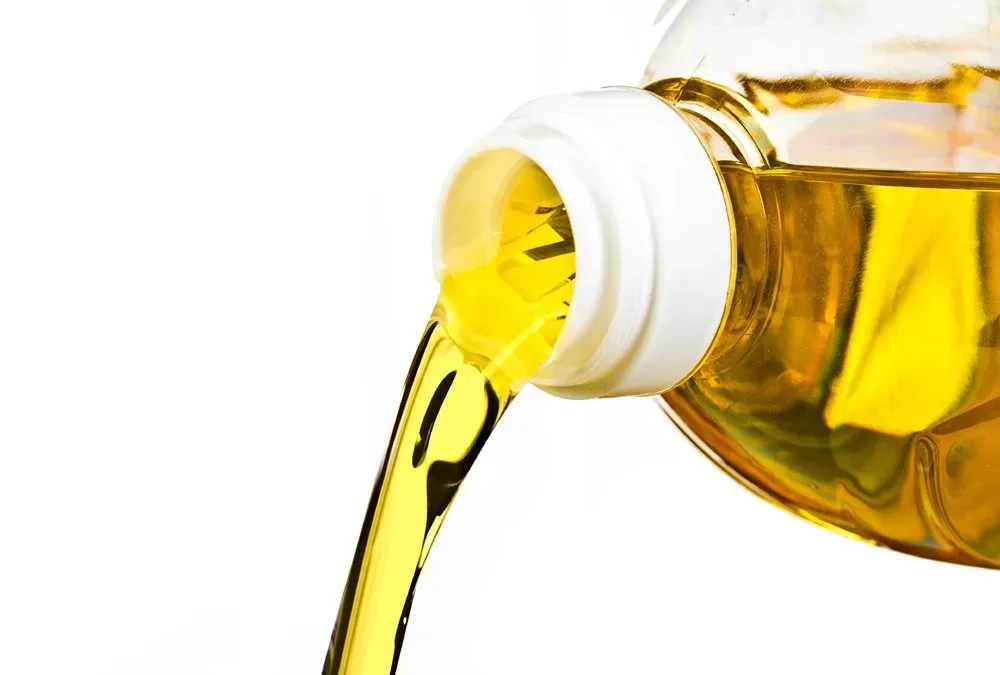
In South Indian culinary linguistics, there is a profound linguistic tribute that no other edible oil possesses: while sunflower oil, groundnut oil, coconut oil, and mustard oil are referred to by their plant sources, oil pressed from sesame seeds (Sesamum indicum) is simply called ‘Nalla Ennai’–literally translating to ‘The Good Oil’ [1]. For thousands of years across the Tamil country, the distinctive nutty aroma of cold-pressed sesame oil–commonly termed gingelly oil–has defined traditional cuisine, from sizzling tempering for sambar and vatha kuzhambu to the fragrant dressing poured over fiery idli podi [1, 2].
Yet in the modern era of industrial food marketing, traditional culinary fats were heavily displaced by cheap, heavily bleached polyunsaturated seed oils, accompanied by confusing dietary dogma surrounding cholesterol, smoke points, and saturated fats. Consumers were left wondering whether their ancestors’ revered cooking medium was truly healthy or merely a nostalgic cultural relic [1].
Over the past two decades, rigorous lipid biochemistry, nutritional cardiology, and clinical metabolic trials published in peer-reviewed journals such as the Journal of Clinical Lipidology, Food Chemistry, and Lipids have validated ancient South Indian intuition. Sesame oil contains an extraordinary molecular defense system composed of unique plant lignans–specifically sesamin, sesamolin, and heat-induced sesamol–that grant it virtually unrivaled oxidative stability, potent blood-pressure-lowering capabilities, and profound cardioprotective bioactivity [1, 2]. Let us examine the molecular science behind why sesame oil remains one of the most therapeutically potent cooking mediums in the human diet.
- 80%
- Unsaturated Fats
- 210°C
- Unrefined Smoke Point
- 14 mmHg
- Systolic BP Drop
- 30+ Months
- Oxidative Shelf Life
The Chemistry of Gingelly: Why South India Named It Good Oil
Sesame (Sesamum indicum) is considered one of the oldest cultivated oilseed crops in human history, domesticated in the Indian subcontinent more than four millennia ago. In classical Ayurvedic and Siddha pharmacology, sesame oil was classified as the premier medicinal base oil due to its exceptional transdermal penetration, cellular nourishing properties, and systemic anti-inflammatory bioactivity [1].
Unlike modern mass-produced vegetable oils–which require hexane chemical extraction, phosphoric acid degumming, sodium hydroxide neutralization, and high-heat deodorization exceeding 240°C–traditional sesame oil is obtained through mechanical cold-pressing. In traditional Tamil villages, dry unhulled or partially dehusked sesame seeds were placed inside a heavy pestle and mortar carved from native Vaagai (Albizia lebbeck) hardwood, known as a ‘Marachekku’ or wooden ghani. Crushed slowly with natural palm jaggery (karupatti) to temper natural seed bitterness, the oil was extracted at room temperature without generating frictional heat that denatures delicate phytonutrients [1, 2].
This artisanal extraction preserved a rich amber hue, an intoxicating roasted nutty bouquet, and a dense concentration of unsaponifiable bioactive compounds. When modern analytical chemists analyzed pure gingelly oil using high-performance liquid chromatography (HPLC) and gas chromatography-mass spectrometry (GC-MS), they discovered that sesame oil contains up to two percent unsaponifiable matter–an exceptionally high proportion for an edible fat–composed of phytosterols, tocopherols (vitamin E), and a distinct family of phenolic lignans that exist nowhere else in the plant kingdom [2].
Beyond culinary applications, traditional South Indian medical hygiene utilized cold-pressed sesame oil as the gold standard medium for ‘Gandusha’ or oil pulling–the daily practice of swishing cold-pressed oil through the oral cavity for ten to fifteen minutes. Modern microbial dental investigations published in the Journal of Indian Society of Pedodontics and Preventive Dentistry confirmed that oil pulling with pure sesame oil triggers partial alkali saponification in the mouth, emulsifying bacterial cell walls and slashing counts of cariogenic Streptococcus mutans and Candida albicans by more than fifty percent within two weeks, matching the clinical antimicrobial efficacy of pharmaceutical chlorhexidine mouthwashes without staining tooth enamel [1].
Fatty Acid Profile: The Precision Balance of Oleic and Linoleic Acids
From a cardiovascular perspective, the primary biological determinant of an oil’s healthfulness is its fatty acid composition. Nutritional guidelines established by the World Health Organization (WHO), the American Heart Association (AHA), and the Indian Council of Medical Research (ICMR) recommend consuming edible fats that maintain a harmonious ratio of monounsaturated fatty acids (MUFA) and polyunsaturated fatty acids (PUFA), while strictly minimizing atherogenic saturated fats [1].
Pure sesame oil exhibits one of the most naturally balanced lipid profiles found in nature, divided almost equally between beneficial monounsaturated and polyunsaturated chains:
- Oleic Acid (Omega-9 MUFA): Approximately 39% to 43% of total fatty acid content. Oleic acid is the primary cardioprotective monounsaturated fat celebrated in Mediterranean olive oil, known for increasing HDL (good) cholesterol while reducing low-density lipoprotein (LDL) particle oxidizability [1].
- Linoleic Acid (Omega-6 PUFA): Approximately 40% to 45% of total fatty acid content. Linoleic acid is an essential polyunsaturated fatty acid that the human body cannot synthesize endogenously, serving as the biological precursor for cellular membrane fluidity and local eicosanoid signaling cascades.
- Palmitic and Stearic Acids (Saturated Fats): Less than 14% to 16% total saturated fat. Unlike tropical palm oil (nearly 50% saturated fat) or butter and ghee (over 60% saturated fat), sesame oil provides minimal saturated lipid burden to vascular endothelium [1, 2].
Crucially, while refined commercial seed oils like soybean or corn oil are excessively dominated by omega-6 polyunsaturated fatty acids that easily oxidize into inflammatory hydroxy-octadecadienoic acids (HODEs) upon cooking, the balanced 1:1 ratio of oleic to linoleic acid in sesame oil provides superior cellular membrane integration and minimal oxidative vulnerability.
The Lignan Shield: How Sesamin and Sesamolin Resist High-Heat Oxidation
The true biochemical crown jewel of sesame oil is not merely its fatty acid balance, but its extraordinary reservoir of unique lignans. Lignans are a class of bioactive polyphenolic phytoestrogens synthesized by sesame plants to protect their delicate embryonic seeds against ultraviolet radiation, microbial attacks, and oxidative degradation [2].
The two most abundant native lignans present in raw cold-pressed sesame oil are Sesamin (typically 0.4% to 0.6% by weight) and Sesamolin (0.2% to 0.4% by weight). Chemically, these compounds are furofuran lignans possessing two 1,3-benzodioxole rings that act as exceptionally potent electron-donating antioxidant warheads [2]:
- Direct Free Radical Quenching: Sesamin directly neutralizes hydroxyl radicals (OH*), superoxide anions (O2*-), and peroxyl radicals (ROO*), interrupting the lipid peroxidation chain reaction that turns ordinary dietary fats rancid.
- Hepatic Vitamin E Sparing: In human liver tissue, sesamin potently inhibits the cytochrome P450 enzyme CYP4F2, the primary enzyme responsible for catabolizing and degrading gamma-tocopherol (the most bioactive anti-inflammatory form of vitamin E). By inhibiting CYP4F2, sesamin elevates circulating plasma and tissue concentrations of gamma-tocopherol by three- to five-fold, providing amplified systemic antioxidant defense throughout the cardiovascular system [2].
Even more fascinating is what happens when sesame oil is subjected to domestic culinary heating. When heated in a tawa, kadai, or frying pan above 150°C, a portion of the native sesamolin undergoes thermal hydrolytic cleavage, transforming into a newly generated phenolic compound called Sesamol [2]. Sesamol is an even more potent antioxidant than its parent molecule, possessing phenomenal radical-scavenging capabilities that actually increase the oil’s resistance to rancidity as cooking progresses–a thermodynamic paradox unmatched by modern refined vegetable oils.
The kinetic transformation from sesamolin to sesamol represents an ingenious evolutionary defense mechanism. In standard polyunsaturated cooking fats, high temperature accelerates the cleavage of carbon-carbon double bonds, yielding volatile toxic aldehydes, acrylamides, and conjugated dienes. In sesame oil, however, thermal energy actively splits the glycosidic-like methylene ether linkage in sesamolin, liberating free phenolic hydroxyl groups on the aromatic ring of sesamol [2]. This in situ release of free radical scavengers means that the longer sesame oil is gently simmered or heated, the more dynamic antioxidant protection it provides to cooking ingredients, directly preserving fragile micronutrients, carotenoids, and spices in traditional sauces and gravies.
The Smoke Point Paradox: Why Sesame Oil Withstands High-Heat Cooking
A persistent myth in modern popular nutrition is that unrefined or cold-pressed oils should never be used for hot cooking because they supposedly break down into toxic carcinogens at low temperatures. While this caution holds true for delicate unrefined flaxseed oil or extra virgin walnut oil, applying it to cold-pressed sesame oil represents a fundamental misunderstanding of thermal lipid chemistry [1].
The thermal stability of an edible fat is governed by two distinct physical metrics:
- Physical Smoke Point: The temperature at which volatile decomposition products (specifically acrolein) become visible as bluish smoke. Unrefined, cold-pressed sesame oil possesses an impressive smoke point of approximately 210°C (410°F), while lightly filtered or refined sesame oil reaches 232°C (450°F). Because standard South Indian domestic cooking, tempering (tadka), and shallow pan-frying operate between 160°C and 190°C, sesame oil operates well below its physical decomposition ceiling [1].
- Oxidative Stability Index (OSI): An oil’s true resistance to chemical degradation, polar compound formation, and toxic aldehyde generation during prolonged exposure to heat and oxygen. Many refined seed oils (such as canola or sunflower) may boast high theoretical smoke points on paper, but because they are stripped of natural antioxidants during factory refining, they rapidly decompose into toxic cytotoxic lipid peroxides and 4-hydroxynonenal (4-HNE) when heated [1, 2].
In contrast, because sesame oil is densely armed with endogenous sesamin, sesamolin, and newly formed sesamol, it demonstrates phenomenal oxidative stability. Research published in the Journal of the American Oil Chemists’ Society confirmed that sesame oil maintains the lowest polar compound accumulation and lowest peroxide value among common cooking oils when subjected to continuous frying temperatures of 180°C for hours [2].
Cardiovascular Protection: Lipid Peroxidation and Blood Pressure Regulation
Hypertension and atherosclerotic coronary artery disease represent the leading causes of premature mortality across South Asia. In an era where physicians routinely prescribe multi-drug antihypertensive regimens, landmark clinical research spearheaded by Dr. Devarajan Sankar at the University of Madras and Chigasaki City Hospital in Japan evaluated whether substituting dietary cooking fat with pure sesame oil could alter clinical cardiovascular outcomes [1].
In a celebrated human clinical trial published in the Journal of Clinical Lipidology, researchers recruited dozens of hypertensive patients stabilized on standard calcium channel blocker medications (nifedipine) and instructed them to switch their sole domestic cooking oil to cold-pressed sesame oil (consuming approximately 35 grams daily in their regular curries and dishes) for sixty consecutive days [1].
The clinical cardiovascular results were extraordinary:
- Significant Blood Pressure Reduction: Patients experienced a dramatic reduction in both systolic blood pressure (dropping by an average of 14.5 mmHg) and diastolic pressure (dropping by an average of 10.8 mmHg) [1].
- Reversal of Endothelial Dysfunction: Plasma levels of lipid peroxidation markers–specifically thiobarbituric acid reactive substances (TBARS) and malondialdehyde (MDA)–plummeted by more than 30%, indicating a profound reduction in oxidative arterial wall damage.
- Endogenous Antioxidant Restoration: Circulating concentrations of vital enzymatic antioxidants, including superoxide dismutase (SOD), catalase, and glutathione (GSH), recovered significantly toward optimal physiological levels [1, 2].
- The Withdrawal Rebound: Most tellingly, when patients completed the sixty-day trial and crossed back to their previous commercial sunflower or groundnut oils, their blood pressure and lipid peroxidation markers rose back to hypertensive baseline within three weeks, proving that sesame oil was the active therapeutic agent [1]. For broader context on vascular dynamics and arterial tone, explore our clinical guide on hypertension science and vascular management.
The molecular mechanism behind this blood-pressure drop involves the vascular endothelium and the enzymatic balance of vascular tone. In hypertensive individuals, excessive oxidative stress uncouples endothelial Nitric Oxide Synthase (eNOS), transforming it from a generator of vasodilatory nitric oxide (NO) into a generator of destructive superoxide radicals. Sesamin and its gut-derived mammalian lignan metabolites, enterolactone and enterodiol, scavenge vascular reactive oxygen species, restoring eNOS coupling and elevating bioavailable endothelial nitric oxide [1, 2]. This causes smooth muscle relaxation in resistance arterioles, reducing total systemic vascular peripheral resistance and naturally lowering arterial pressure without causing the heart-rate spikes often seen with synthetic vasodilator medications.
Metabolic and Glucose Control: How Sesamin Enhances Insulin Sensitivity
Beyond vascular hemodynamics, molecular endocrinologists have uncovered compelling evidence that sesame lignans exert potent anti-diabetic and metabolic-regulating actions inside hepatic and skeletal muscle tissues [1, 2].
In individuals with insulin resistance and type 2 diabetes, the liver experiences impaired cellular signaling, driving aberrant gluconeogenesis (excessive glucose manufacture) while accumulating dangerous ectopic triglycerides (non-alcoholic fatty liver disease). Sesamin intervenes directly in hepatic lipid and glucose transcription networks:
- PPAR-Alpha Activation: Sesamin acts as an endogenous ligand for Peroxisome Proliferator-Activated Receptor Alpha (PPAR-alpha), a master nuclear transcription factor that upregulates genes encoding mitochondrial fatty acid beta-oxidation enzymes (such as carnitine palmitoyltransferase-1). This accelerates hepatic fat burning and cleanses ectopic lipid droplets from liver cells [2].
- SREBP-1c Downregulation: Simultaneously, sesamin suppresses Sterol Regulatory Element-Binding Protein-1c (SREBP-1c), downregulating fatty acid synthase and cutting off the de novo synthesis of triglycerides.
- Enhanced Skeletal Muscle Glucose Uptake: By reducing systemic tumor necrosis factor-alpha (TNF-alpha) and free radical concentrations, sesame lignans prevent the serine phosphorylation of Insulin Receptor Substrate-1 (IRS-1), restoring normal insulin-stimulated GLUT-4 glucose transporter translocation into skeletal muscle membranes [1, 2].
Clinical investigations combining sesame oil with unrefined rice bran oil in diabetic patients demonstrated significant drops in fasting blood glucose and HbA1c levels, alongside reductions in atherogenic small dense LDL particles [1]. For deeper insight into cellular glucose clearance mechanisms, see our detailed guide on insulin resistance reversal and metabolic health and our analysis of postprandial glucose management.
Cold-Pressed vs Refined: Extraction Methods and Micronutrient Retention
To reap the clinical and biochemical advantages of sesame oil, consumers must understand the critical qualitative divergence between traditional cold-pressed (marachekku/wood-pressed) gingelly oil and factory-refined clear sesame oil.
Traditional Wood-Pressed Sesame Oil (Marachekku):
- Extracted at temperatures kept strictly below 45°C to 50°C using heavy wooden pestles.
- Retains 100% of native sesamin, sesamolin, tocopherols, squalene, and natural plant sterols.
- Rich, dark amber color with an earthy, complex, roasted seed aroma.
- Unbleached and free from synthetic chemical additives, preserving natural antimicrobial and anti-inflammatory properties [1, 2].
Industrial Refined Sesame Oil:
- Extracted from seed cakes using petroleum-derived chemical solvents like hexane at high heat.
- Subjected to caustic soda de-acidification, bleaching clay filtration, and thermal deodorization exceeding 220°C.
- While refining produces a pale yellow, odorless oil with a higher theoretical smoke point, it strips out more than 60% to 80% of native lignans, destroys fragile vitamin E isomers, and generates small amounts of trans-fatty acid isomers [2].
Therefore, whenever purchasing sesame oil for culinary or therapeutic use, consumers should prioritize unrefined, cold-pressed, or wood-pressed gingelly oil packaged in dark glass or food-grade opaque tin to prevent photochemical oxidation.
Comparative Oil Matrix: Sesame Oil vs Sunflower, Groundnut, and Palm Oils
Comparing the chemical stability, fatty acid composition, and antioxidant architecture of common cooking oils highlights why sesame oil occupies an extraordinary culinary tier.
| Cooking Oil | Fatty Acid Profile (MUFA / PUFA / Saturated) | Key Antioxidants & Lignans | Oxidative Heat Stability |
|---|---|---|---|
| Cold-Pressed Sesame Oil | 40% Oleic / 44% Linoleic / 15% Saturated (Balanced) | Sesamin, Sesamolin, Sesamol, Gamma-Tocopherol | Exceptional (Lignans prevent thermal breakdown up to 210°C) |
| Refined Sunflower Oil | 20% Oleic / 68% Linoleic / 12% Saturated (Omega-6 Heavy) | Alpha-Tocopherol (largely degraded during refining) | Poor to Moderate (Rapidly forms aldehydes during prolonged heat) |
| Cold-Pressed Groundnut Oil | 50% Oleic / 30% Linoleic / 20% Saturated (MUFA Rich) | Resveratrol, Phytosterols, Vitamin E | High (Excellent for deep frying up to 225°C) |
| Commercial Palm Oil | 38% Oleic / 10% Linoleic / 50% Saturated (Heavy Saturated) | Tocotrienols, Carotenoids (stripped in white RBD palm oil) | Very High (High saturated content resists heat, but raises LDL) |
| Extra Virgin Olive Oil | 75% Oleic / 10% Linoleic / 14% Saturated (High MUFA) | Oleocanthal, Hydroxytyrosol, Oleuropein | Moderate to High (Superb raw; best for low-to-medium heat cooking) |
Frequently Asked Questions
Is sesame oil safe for people with high cholesterol?
Yes. Multiple clinical trials demonstrate that sesame oil’s balanced oleic and linoleic fatty acid ratio, combined with sesamin lignans, actively reduces atherogenic LDL cholesterol and suppresses lipid peroxidation while preserving cardioprotective HDL cholesterol.
Can sesame oil be used for deep-frying?
Yes. Unrefined cold-pressed sesame oil has a smoke point of 210°C (410°F), and its endogenous sesamin, sesamolin, and heat-induced sesamol antioxidants grant it extraordinary resistance against thermal oxidation and polar compound formation compared to refined seed oils.
Does sesame oil increase body heat according to science?
In Siddha and traditional Tamil concepts, sesame is categorized as warming. Biochemically, sesame oil does not raise core body temperature, but its rich lignan content stimulates peripheral circulation, enhances vascular nitric oxide release, and mildly boosts metabolic thermogenesis.
How should cold-pressed sesame oil be stored at home?
Because of its natural lignan antioxidants, pure sesame oil has a long natural shelf life exceeding 18 to 24 months. Store it in a tightly sealed dark glass bottle, stainless steel container, or food-grade tin in a cool, shaded pantry away from direct sunlight.
Scientific References and Primary Literature
A blend of sesame oil and rice bran oil lowers blood pressure and improves lipids
- Journal
- Journal of Clinical Lipidology
- Study Type
- peer-reviewed
- Year
- 2016
DOI10.1016/j.jacl.2015.12.011
Glossary
Scientific terms used in this article
- Sesamin
- The primary furofuran lignan in sesame oil that inhibits hepatic vitamin E degradation, lowers blood pressure, and activates fat-burning genes.
- Sesamolin
- A native sesame lignan that thermally converts into powerful antioxidant sesamol when exposed to cooking heat.
- Sesamol
- A potent free radical scavenging phenolic compound generated during the cooking and roasting of sesame oil.
- Marachekku
- Traditional South Indian cold-press oil mill constructed from heavy Vaagai hardwood that extracts oil at low room temperatures.
- Lipid Peroxidation
- The oxidative degradation of cellular and dietary lipids by free radicals, resulting in cellular membrane damage and inflammatory aldehydes.
- Smoke Point
- The precise temperature at which an edible fat begins to continuously break down and emit visible bluish acrolein smoke.
References
- ↩ Sankar, D., et al. (2016). A blend of sesame oil and rice bran oil lowers blood pressure and improves lipids. Journal of Clinical Lipidology, 10(2), 334-344.
- ↩ Fukuda, Y., et al. (1986). Changes in the contents of sesamol, sesamolin and sesamin in sesame oil. Journal of the Japan Oil Chemists' Society, 35(7), 540-545.
- Yale Journal of Biology and Medicine: Cardiovascular benefits of sesame oil: an overview of lignans and antioxidant mechanisms
- Food Chemistry: Thermal stability and oxidative degradation kinetics of cold-pressed edible oils



No comments yet. Be the first to join the conversation.