

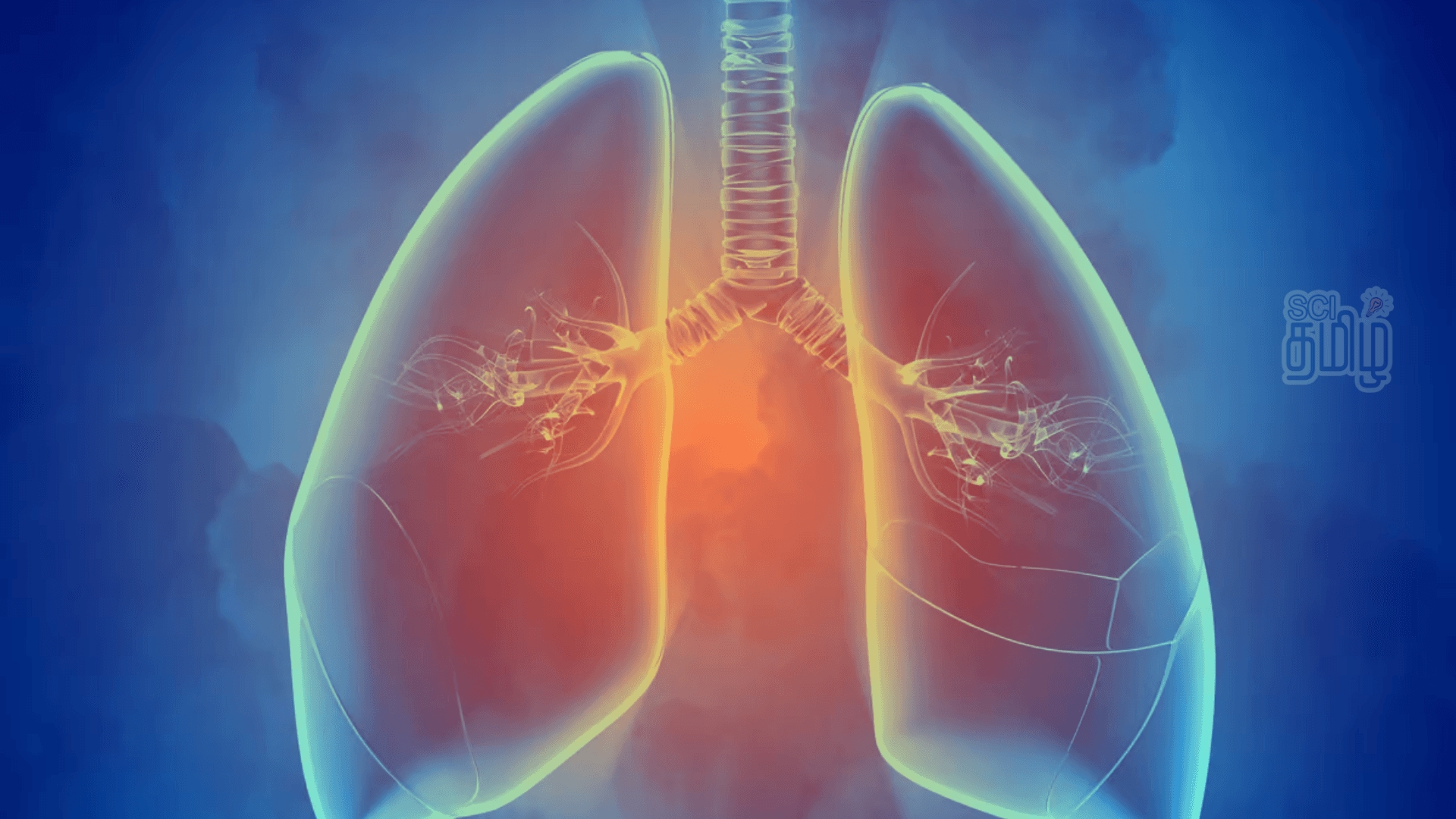

Every single week, the average human unwittingly ingests approximately five grams of synthetic polymers, the physical equivalent of grinding up an entire plastic credit card and sprinkling it across their breakfast, lunch, and dinner [1]. What was once considered an isolated marine environmental crisis has rapidly transformed into one of the most pressing frontiers of clinical toxicology [2]. From the summit of Mount Everest to the depths of the Mariana Trench, microscopic fragments of synthetic petroleum polymers have permeated the global ecosphere, and modern clinical biopsies now confirm that these synthetic materials have crossed into our bloodstream, lungs, internal organs, and even the human placenta [1] [3].
Unlike organic matter, which undergoes biological degradation into harmless elemental metabolites, petrochemical plastics are engineered for durability, fragmentation, and structural persistence [2]. Over years and decades of mechanical abrasion, ultraviolet radiation, and thermal oxidation, discarded plastics fracture into progressively smaller particles: microplastics and invisible nanoplastics [1]. Because these particles operate at the exact dimensional scale of human cells and subcellular organelles, they penetrate deep physiological tissues, evade mucosal clearance mechanisms, and trigger chronic immune and cardiovascular pathologies [3] [4].
- 5 Grams
- Ingested Weekly
- 77%
- Bloodstream Presence
- 4.5×
- Cardiovascular Risk
- <1 µm
- Nanoplastic Scale
What Are Microplastics and Nanoplastics: Size Classes and Synthetic Chemistry
In environmental medicine and physical chemistry, synthetic particulate pollutants are categorized into rigorous size strata based on aerodynamic and dimensional diameters [2]. Microplastics are formally defined as synthetic polymer fragments, fibers, or spherical beads measuring between 1 micrometer (1 µm) and 5 millimeters (5 mm) [1]. While fragments measuring a few millimeters can be discerned under a standard magnifying glass, the vast majority of particles populating consumer environments are microscopic, invisible to the naked human eye [2].
At the extreme lower end of the dimensional spectrum lies an even more biologically aggressive class: Nanoplastics, which measure strictly below 1 micrometer (1,000 nanometers), frequently down to mere dozens of nanometers [4]. Because a standard human red blood cell has a diameter of roughly 7 to 8 micrometers, and the capillaries lining our alveolar sacs and intestinal villi measure only 5 to 10 micrometers across, nanoplastics possess the lethal physical capability to traverse cellular membranes through endocytosis and pinocytosis, gaining direct access to the cytoplasmic interior of human cells [3] [4].
Toxicologists broadly differentiate between two origin archetypes of plastic contamination [1]:
Primary Microplastics: Particles intentionally manufactured at microscopic scales for commercial, medical, or industrial applications [2]. These historically included cosmetic microbeads in exfoliating facial scrubs, synthetic drug-delivery capsules, and industrial abrasive pellets used in blasting machinery [1]. While several nations have enacted legislative bans on rinse-off cosmetic beads, industrial primary microplastics remain widespread in paints, sealants, and drilling fluids [2].
Secondary Microplastics: The overwhelmingly dominant source of human exposure, accounting for over 80% of environmental particulates [1]. Secondary microplastics are the fragmented debris of larger consumer goods that break down under continuous environmental weathering, mechanical shear, and photolytic cleaving [2]. Every time a synthetic polyester fleece jacket is laundered in a residential washing machine, hundreds of thousands of microplastic fibers shear off into the wastewater stream [1]. Every time a passenger vehicle brakes or accelerates, the synthetic styrene-butadiene rubber of its tires grinds against asphalt, aerosolizing billions of microplastic fragments into urban air currents [2].
Primary Portals of Entry: Dietary Ingestion, Bottled Water, and Air Inhalation
Human interaction with synthetic polymers is continuous, multifaceted, and virtually unavoidable in industrialized societies [1]. Toxicological trace monitoring identifies three primary anatomical vectors through which microplastics enter human physiology: dietary ingestion, beverage consumption, and respiratory inhalation [2].
1. Ingestion via Bottled Water and Food Packaging: Bottled water represents the densest single source of human plastic ingestion [1]. Landmark laser-scattering spectroscopic analyses published by Columbia University and Rutgers University reveal that a single liter of commercially packaged bottled water contains an average of 240,000 quantifiable plastic fragments, roughly 90% of which reside in the nanoplastic size category [1]. These particles shear directly from the polyethylene terephthalate (PET) bottle walls and high-density polyethylene (HDPE) screw caps during industrial bottling, shipping vibration, and opening torques [2].
Beyond drinking water, commercial food packaging introduces substantial microplastic loads [1]. When single-use plastic food containers, microwavable ready-meal trays, or plastic-lined paper coffee cups are subjected to boiling temperatures, the thermal excitation accelerates polymer chain scission, leaching billions of plastic particles and plasticizers directly into the food matrix within minutes [2]. Furthermore, agricultural soils enriched with sewage sludge fertilizers transfer microplastics into the root systems of common crops, causing micro-particles to bioaccumulate inside apples, carrots, and leafy greens [1].
2. Respiratory Inhalation of Atmospheric Fallout: Urban air contains a permanent suspension of synthetic textile microfibers and tire wear particulates [2]. Indoors, where individuals spend approximately 90% of their lives, domestic dust is heavily composed of polyester, polyamide, and acrylic fibers shed continuously from synthetic carpets, upholstery, bedding, and synthetic clothing [1]. When inhaled, particles smaller than 2.5 micrometers bypass nasal mucus and bronchial cilia, penetrating deep into the terminal alveolar sacs of the lungs where macrophage clearance mechanisms become overwhelmed [4].
3. Dermal Absorption: While intact human skin provides a formidable hydrophobic keratin shield against particles larger than 100 nanometers, damaged skin barriers, such as those suffering from eczema, dermatitis, or thermal abrasions, can permit the transdermal penetration of ultra-fine nanoplastics found in chemical lotions and synthetic cosmetics [2].
Anatomical Translocation Cascade: From Environmental Exposure to Target Organs
Exposure
Ingestion of bottled water/food packaging and inhalation of indoor synthetic dust.
Mucosal Transit
Sub-micron particles traverse the gut-vascular barrier and alveolar epithelial membranes.
Systemic Circulation
Polymers enter venous blood, binding to serum albumin and vascular endothelial walls.
Tissue Deposition
Bioaccumulation inside arterial atheromas, liver parenchyma, kidneys, and placenta.
Vascular Penetration: How Synthetic Polymers Enter the Human Bloodstream
For decades, conventional wisdom held that ingested microplastics functioned merely as inert bulk matter, passing through the human gastrointestinal tract and exiting benignly via fecal elimination [1]. That complacency was shattered in March 2022, when a pioneering Dutch toxicology research team led by Dr. Heather Leslie at Vrije Universiteit Amsterdam published the first definitive evidence of plastic polymers circulating in the human bloodstream [1].
Using high-precision pyrolysis-gas chromatography/mass spectrometry (Py-GC/MS) equipped with double-shot thermal desorption, the researchers analyzed whole blood samples gathered from 22 healthy human volunteers [1]. The findings sent shockwaves through the global biomedical community: 77% of donors possessed quantifiable concentrations of plastic polymers circulating in their blood, with a mean concentration of 1.6 micrograms of plastic per milliliter of whole blood [1].
The molecular profiling identified four ubiquitous consumer polymers as the primary circulating culprits [1]:
| Polymer Class | Full Chemical Name | Primary Consumer Sources | Primary Organs Affected |
|---|---|---|---|
| PET | Polyethylene Terephthalate | Beverage bottles, food packaging, polyester textiles | Whole blood, vascular walls, heart tissue. |
| PE | Polyethylene | Shopping bags, food wraps, squeeze bottles | Liver, colon, arterial atheroma plaques. |
| PS | Polystyrene | Disposable cups, styrofoam trays, takeout containers | Lungs, spleen, human placental tissue. |
| PMMA | Poly(methyl methacrylate) | Acrylic glass, dental prosthetics, technical coatings | Renal tubules, bone marrow, bloodstream. |
Synthesized from Leslie et al., Environment International (2022) and Marfella et al., NEJM (2024).
The clinical consequences of circulating vascular microplastics took a dramatic turn in March 2024, when the New England Journal of Medicine published a landmark prospective clinical cohort study led by Dr. Raffaele Marfella [3]. The researchers examined 257 asymptomatic patients undergoing carotid endarterectomy, a surgical procedure to remove fatty atherosclerotic plaque obstructing the main arteries supplying blood to the brain [3].
Using electron microscopy, isotope ratio mass spectrometry, and Py-GC/MS, the investigators detected polyethylene and polyvinyl chloride (PVC) particles lodged deep within the atheroma plaque of 58.4% of the patients [3]. When tracked prospectively over 34 months, patients with microplastics embedded in their arterial plaque exhibited a staggering 4.53-fold higher risk of suffering a fatal stroke, myocardial infarction, or all-cause cardiovascular death compared to patients whose plaque was plastic-free [3]. The study provided the first direct clinical evidence linking vascular microplastic deposition to catastrophic cardiovascular events in humans [3].
Crossing Biological Barriers: Placenta, Testis, and Blood-Brain Translocation
The human body relies on sophisticated physiological checkpoints, specialized microvascular endothelia and tight-junction matrices, to shield delicate vital organs from systemic pathogens, heavy metals, and toxins [2]. Emerging clinical studies demonstrate that sub-micron nanoplastics possess the unique capacity to breach these biological fortresses [4].
The Placental Barrier: In 2021, an Italian research team led by Dr. Antonio Ragusa conducted the historic Plasticenta investigation, analyzing human placenta specimens collected from healthy pregnant women who experienced normal, uncomplicated pregnancies [5]. Using Raman microspectroscopy, the researchers discovered pigmented microplastic fragments embedded throughout both the maternal and fetal portions of the placenta, as well as the surrounding chorioamniotic membranes [5]. Because the placenta governs fetal nutrient transport, oxygenation, and immunological shielding, the physical presence of foreign petroleum polymers introduces profound risks of placental vascular dysfunction and intrauterine developmental disruption [5].
The Blood-Brain Barrier (BBB): The central nervous system is insulated by continuous brain capillary endothelial cells knit together by claudin and occludin tight-junction complexes, preventing 98% of foreign molecules from entering neural tissue [4]. However, animal model neuro-toxicology studies published in 2023 demonstrated that polystyrene nanoplastics measuring less than 100 nanometers can breach the blood-brain barrier within two hours of oral ingestion [4]. Once inside the cerebral cortex and hippocampus, the particles become enveloped by apolipoprotein E (ApoE) coronas, accumulating inside microglia and astrocytes and triggering severe neuro-inflammation, synaptic degradation, and microglial activation [4].
The Blood-Testis Barrier: Comprehensive histological evaluations of human testicular biopsies and post-mortem semen analyses have identified microplastic particles across 100% of examined specimens [2]. The synthetic particles disrupt the protective Sertoli cell junctions, causing mitochondrial swelling inside developing spermatocytes and correlating strongly with the precipitous global decline in human sperm counts recorded over the past half-century [2].
Cellular Mechanisms of Toxicity: Oxidative Stress, Inflammation, and DNA Damage
Once synthetic microplastics and nanoplastics penetrate the interior of human tissues, what specific pathological mechanisms do they trigger at the cellular and molecular levels? Biomedical researchers have identified four cascading biological disruptions [2]:
1. Frustrated Phagocytosis and Chronic Inflammation: When immune sentinel cells, particularly alveolar and tissue macrophages, encounter foreign plastic particles, they recognize them as invasive pathogens and attempt to engulf them via phagocytosis [2]. However, unlike bacteria or viral capsids, synthetic polymers cannot be digested by the hydrolytic enzymes housed within cellular lysosomes [4]. The macrophages experience “frustrated phagocytosis,” continuously churning out pro-inflammatory cytokines such as Tumor Necrosis Factor-alpha (TNF-α), Interleukin-6 (IL-6), and Interleukin-1-beta (IL-1β), locking surrounding tissues into states of permanent, low-grade chronic inflammation [3] [4].
2. Massive Reactive Oxygen Species (ROS) Generation: The sharp, irregular crystalline surfaces of fragmented secondary microplastics physically shear against delicate cellular membranes and organelle surfaces [2]. Inside the cell, plastic particles disrupt the mitochondrial electron transport chain, causing electrons to leak and generating overwhelming torrents of reactive oxygen species (ROS) [4]. When intracellular ROS outstrips the neutralizing capacity of endogenous antioxidant enzymes (such as superoxide dismutase and glutathione peroxidase), the resulting oxidative stress induces severe lipid peroxidation of mitochondrial membranes, terminating in apoptotic cell death [4].
3. Genotoxicity and Direct DNA Strand Scission: Nanoplastics measuring under 50 nanometers are sufficiently minute to slip through the nuclear pore complexes of the cell nucleus [4]. Once inside the nucleoplasm, the electrostatically charged surfaces of the plastic particles interact directly with the sugar-phosphate backbone of genomic DNA, inducing single-strand and double-strand DNA breaks [2]. While maintaining optimal dietary micronutrients as detailed in our guide to essential vitamins and deficiency syndromes supports cellular repair enzymes, relentless chronic exposure to genotoxic nanoplastics elevates the baseline frequency of cellular mutations and oncogenic transformation [2].
Endocrine Disruptors and Leaching Additives: The Chemical Trojan Horse
The toxicological threat of microplastics is not confined solely to their physical presence as foreign physical particles [2]. Pure petrochemical polymers (such as pure polyethylene or polypropylene) are typically brittle, translucent, and highly flammable [6]. To convert these base resins into flexible food packaging, durable automobile dashboards, and vibrant consumer goods, the global plastics industry incorporates thousands of synthetic industrial additives [6].
These additives include plasticizers (such as ortho-phthalates) to impart flexibility, flame retardants (polybrominated diphenyl ethers, or PBDEs), stabilizers (bisphenol A, B, and S), and heavy metal colorants [6]. Crucially, these chemical additives are not covalently bonded to the polymer backbone; they are physically suspended within the molecular matrix [6]. As microplastics circulate through the warm, lipid-rich, and slightly acidic environment of the human digestive tract and bloodstream, these additives continuously desorb and leach out into surrounding tissues, functioning as a chemical Trojan Horse [2] [6].
Many of these leached chemicals are potent Endocrine Disrupting Chemicals (EDCs) [6]. Molecules like Bisphenol A (BPA) and di-2-ethylhexyl phthalate (DEHP) possess molecular geometries that closely mimic endogenous steroid hormones, specifically 17β-estradiol [6]. These chemical mimics bind to estrogen, androgen, and thyroid hormone receptors, delivering aberrant signaling cascades to target cells even at minute picomolar concentrations [6]. Extensive clinical endocrinology studies associate chronic EDC exposure with accelerated puberty in adolescent girls, early reproductive senescence, polycystic ovary syndrome (PCOS), insulin resistance, and elevated risks of hormone-dependent breast and prostate cancers [6].
Mitigating Personal Exposure: Evidence-Based Lifestyle and Consumer Interventions
Given the ubiquitous presence of synthetic polymers across the global biosphere, achieving zero lifetime exposure to microplastics is currently impossible [1]. However, clinical toxicologists and environmental health researchers emphasize that individuals can dramatically slash their daily intake and systemic body burden by adopting high-impact, evidence-based domestic interventions [2]:
1. Abandon Single-Use Plastic Water Bottles: Transition permanently to inert food-grade stainless steel, borosilicate glass, or ceramic water vessels [1]. Drinking municipal tap water filtered through a certified sub-micron solid carbon block or home reverse-osmosis (RO) system removes over 99% of particulate microplastics and nanoplastics, avoiding the 240,000 particles lurking inside commercial plastic bottles [1]. Adopting reusable household materials aligns directly with community sustainability frameworks outlined in our urban zero-waste home management guide.
2. Never Microwave Food in Plastic Containers: Heating plastic polymers, even those marketed with “microwave safe” or “BPA-free” commercial labels, drastically accelerates polymer bond degradation and plasticizer leaching [2]. “Microwave safe” simply means the container will not melt or deform in the microwave; it provides zero guarantee against microscopic particle shedding [2]. Always transfer leftovers and meal-prep items into glass or ceramic bowls prior to thermal heating [1].
3. Eliminate Plastic Cutting Boards: Mechanical chopping with sharp kitchen knives across polypropylene or polyethylene cutting boards produces billions of microplastic shavings annually, which adhere directly to prepared vegetables, meats, and poultry [1]. Replace synthetic cutting surfaces with solid hardwood (such as teak, acacia, or maple) or natural bamboo boards [2].
4. Filter Indoor Air and Upgrade Residential Textiles: Use vacuum cleaners equipped with true HEPA filtration to capture indoor textile fallout [1]. When purchasing domestic bedding, curtains, and infant clothing, prioritize natural organic fibers (such as GOTS-certified cotton, linen, hemp, and wool) over synthetic fleece, polyester, and microfiber blends [2].
5. Minimize Ultra-Processed Foods and Plastic-Lined Teabags: Ultra-processed food items undergo extensive industrial transit through synthetic plastic conveyer belts, tubes, and heat-sealed packaging, accumulating high baseline microplastic concentrations [1]. Furthermore, traditional pyramid-shaped silken tea bags are manufactured from food-grade nylon and PET; steeping a single plastic tea bag at brewing temperature releases an estimated 11.6 billion microplastics and 3.1 billion nanoplastics into a single cup of tea [2]. Opt for loose-leaf tea steeped in stainless steel infusers [1].
While consumer-level lifestyle modifications empower individuals to protect their immediate households, confronting the global microplastic emergency will ultimately require international treaty action, mandatory extended producer responsibility, and rapid transition toward truly biodegradable, non-toxic bio-polymers [1] [2]. Until systemic industrial transformation takes hold, understanding the cellular science of synthetic particulates remains the public’s most potent defense in safeguarding human health [3].
அடிக்கடி கேட்கப்படும் கேள்விகள்
Can the human body naturally detoxify or excrete microplastics?
Are BPA-free plastics completely safe to use?
Does boiling water remove microplastics?
What happens to microplastics when we eat seafood?
Can microplastics be transferred to infants through breast milk?
References
- ↩ Discovery and Quantification of Plastic Particle Pollution in Human Blood - Leslie, H. A. et al. (Environment International, 2022)
- ↩ Microplastics and Human Health: Integrating Toxicological Evidence Across Organ Systems - Vethaak, A. D., & Legler, J. (The Lancet Planetary Health, 2023)
- ↩ Microplastics and Nanoplastics in Atheromas and Cardiovascular Events - Marfella, R. et al. (New England Journal of Medicine, 2024)
- ↩ Nanoplastics Transport Across the Blood-Brain Barrier and Induce Neurotoxicity - Shan, S. et al. (Science of The Total Environment, 2023)
- ↩ Plasticenta: First Evidence of Microplastics in Human Placenta - Ragusa, A. et al. (Environment International, 2021)
- ↩ Plastics, EDCs, and Health: Endocrine Disrupting Chemicals in Consumer Plastics - Flaws, J. A. et al. (Endocrine Society, 2020)


No comments yet. Be the first to join the conversation.