


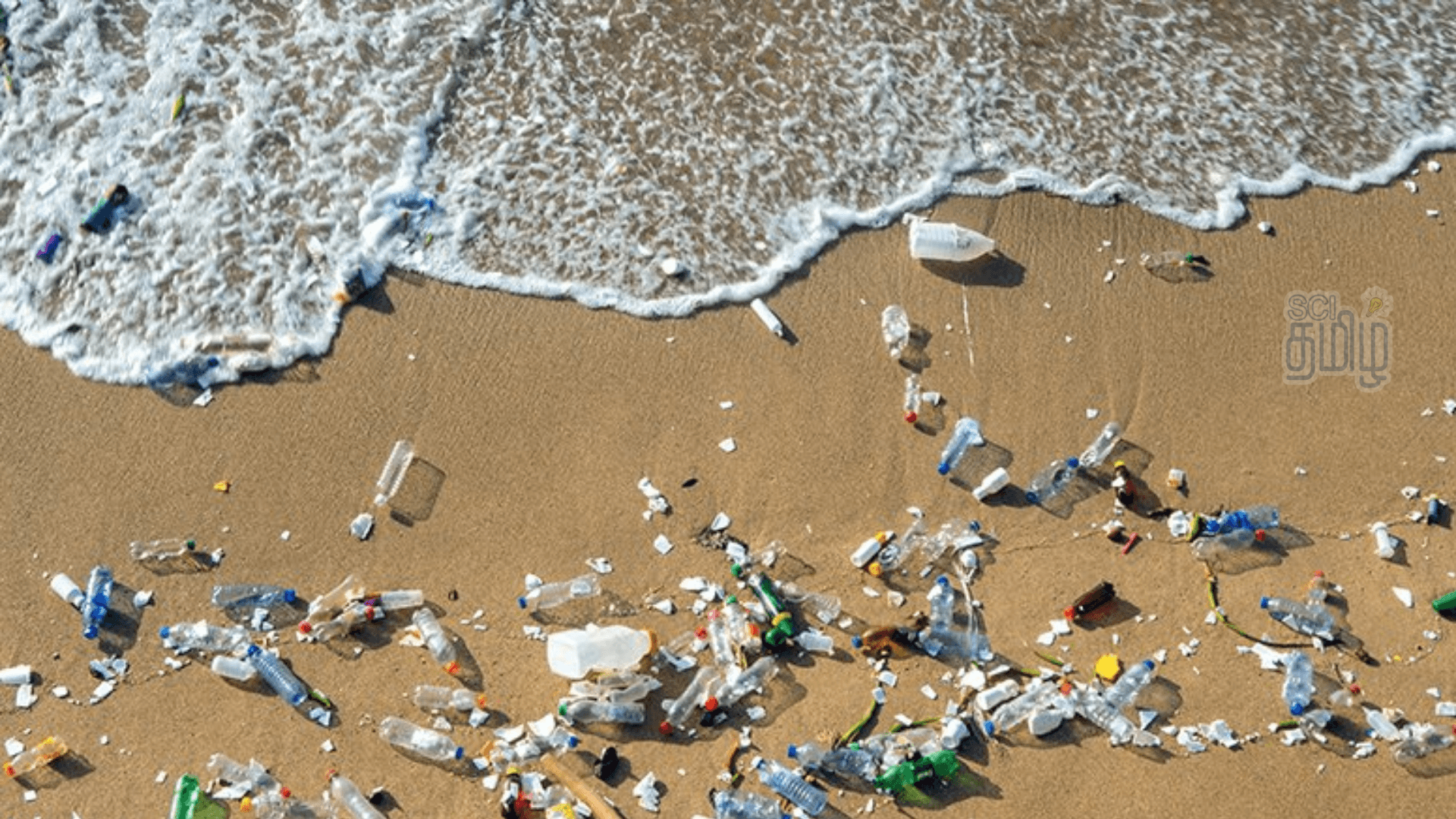
Modern industrial civilization manufactures more than 430 million metric tons of petrochemical plastics every single year, over two-thirds of which are discarded into municipal landfills, waterways, and marine ecosystems after a single fleeting use [1]. For more than a century, synthetic polymers such as polyethylene, polyester polyurethane, polystyrene, and polypropylene have been prized by manufacturing engineers precisely because of their extreme thermodynamic stability: their long-chain carbon-carbon backbones and fortified ester matrices are virtually impervious to ordinary biological decay [2]. In municipal landfills and oceanic gyres, a single synthetic plastic bottle, synthetic tire fragment, or polyester garment can persist for upwards of five centuries, slowly abrading into hazardous micro-particulates [1].
Yet in the damp shadows of remote tropical rainforests, municipal waste dumps, and deep marine benthic sediments, the natural world has engineered an astonishing biological retort [2]. Evolutionary mycologists have uncovered specialized species of endophytic and saprophytic fungi capable of doing what was long deemed biologically impossible: recognizing artificial petroleum polymers as a nutritional carbon source, deploying specialized extracellular enzymes to cleave robust chemical bonds, and metabolizing synthetic plastic waste into harmless organic biomass, water, and carbon dioxide [3] [4]. This biological phenomenon, termed mycoremediation, stands as one of the most promising biotechnological frontiers in humanity’s fight against ecological plastic suffocation [5].
- 430M Tons
- Global Plastic Output
- 14 Days
- First Visible Clearance
- 0% Oxygen
- Anaerobic Capability
- 3 Families
- Primary Enzymes
The Synthetic Polymer Paradox: Why Petrochemical Plastics Resist Decomposition
To grasp why fungal plastic degradation represents such a monumental evolutionary breakthrough, one must examine the molecular physics and chemical thermodynamics of synthetic polymers [1]. Natural organic biopolymers, such as cellulose in plant cell walls, chitin in fungal cell structures, and keratin in mammalian hair and feathers, co-evolved alongside microbial decomposers over hundreds of millions of years of biological history [2]. Soil bacteria and fungi developed highly specialized catalytic enzyme suites capable of recognizing and cleaving the repeating glycosidic, ester, or peptide bonds of natural biopolymers with high thermodynamic efficiency [3].
Petrochemical plastics, by stark contrast, entered Earth’s biosphere less than a century ago [1]. Derived from refined petroleum cracking fractions, commodity plastics such as polyethylene (PE), polypropylene (PP), and polyvinyl chloride (PVC) are synthesized via addition polymerization, creating uninterrupted, non-polar carbon-carbon ($C-C$) backbone chains with exceptionally high molecular weights reaching hundreds of thousands of daltons [2]. These bonds possess formidable dissociation energies ($~347 \text{ kJ/mol}$), exhibit extreme hydrophobic surface properties that repel aqueous biological fluids, and fold into densely packed crystalline lamellae that physically prevent microbial enzymes from accessing internal cleavage sites [1].
Even condensation polymers that contain theoretically cleavable chemical linkages, such as the ester bonds in polyethylene terephthalate (PET) or the urethane bonds in polyurethane (PUR), are fortified by synthetic aromatic rings, heavy molecular cross-linking, and chemical plasticizer additives [2]. In consumer goods, polyurethane exists in two primary formulations: polyether-based polyurethane and polyester-based polyurethane [3]. While polyether polyurethanes feature exceptionally stable ether bonds ($C-O-C$) that resist hydrolytic attack, polyester polyurethanes possess ester functional groups ($R-COO-R’$) that present a vulnerable target for specialized microbial hydrolases [3]. Until recently, however, biological organisms simply lacked the evolutionary biochemical triggers to dock onto these hydrophobic synthetic surfaces [2].
The Amazonian Breakthrough: How Pestalotiopsis microspora Consumes Polyurethane
The turning point in fungal plastic remediation occurred in 2011, during a Yale University undergraduate research expedition to the Yasuní National Forest in the Ecuadorian Amazon led by molecular biochemist Dr. Scott Strohm [3]. The Amazon basin represents one of the densest epicenters of biological and genomic diversity on the planet, housing millions of uncataloged microbial species locked in fierce evolutionary competition for ecological niches [3]. The expedition focused on collecting endophytic fungi, organisms that live symbiotically inside the living tissues of wild rainforest plants without causing symptomatic host disease [3].
Back in the laboratory, student researchers led by Jonathan Russell inoculated diverse fungal isolates onto petri dishes containing solid and liquid mineral media where the sole source of carbon was a synthetic polyester polyurethane (PUR) dispersion (commercially known as Impranil DLN) [3]. Impranil is an opaque, milky colloidal suspension of polyester polyurethane particles widely used in industrial coatings, textiles, and synthetic leathers [3]. When an organism secretes enzymes capable of degrading the polymer, the opaque white agar clears into a transparent zone of clearing around the fungal colony [3].
Among dozens of collected endophytic isolates, one distinct species exhibited explosive, aggressive clearance: Pestalotiopsis microspora (strain E2712A) [3]. Within two weeks of incubation, dense white fungal mycelium spread across the synthetic plastic film, visibly clearing and liquefying the opaque polymer substrate [3]. Using chemical analytical assays, the researchers proved that the fungus was not simply tolerating the plastic; it was actively utilizing the cleaved polyester polyurethane molecules as its primary nutritional carbon and energy source, metabolizing synthetic petroleum into fungal mycelial cell mass [3].
What astonished the scientific community even more was the discovery that Pestalotiopsis microspora could digest solid polyurethane under strictly anaerobic conditions, in closed sealed environments completely devoid of atmospheric oxygen [3]. Modern municipal landfill waste deposits are characterized by profound anaerobic compaction; buried plastic refuse suffocates beneath millions of tons of compacted municipal waste where ordinary aerobic bacteria and fungi perish [1]. The discovery that an endophytic fungus could thrive in hypoxic conditions while sustained entirely by synthetic polyurethane established an unprecedented biotechnological paradigm for deep-landfill in situ bioremediation [3].
Biochemical Weaponry: Fungal Esterases, Cutinases, and Laccase Catalysis
How does a simple rainforest fungus digest an artificial polymer synthesized in a petrochemical refinery? The evolutionary answer lies in a phenomenon known as enzymatic moonlighting and substrate promiscuity [2]. Fungi do not possess mouths, digestive tracts, or internal organs; they nourish themselves through absorptive heterotrophy, secreting potent cocktails of extracellular enzymes into their immediate environment to digest complex macromolecules externally before absorbing the liberated nutrients through their hyphal walls [3].
Through hundreds of millions of years of evolutionary adaptation against terrestrial plants, fungi developed specialized cutinase and esterase enzymes designed to breach cutin, the waxy, hydrophobic polyester biopolymer that coats the outer leaves, stems, and fruits of higher vascular plants [2]. Structurally, synthetic polyester polyurethane and polyethylene terephthalate (PET) bear striking chemical similarities to natural plant cutin, featuring repeating ester linkages ($R-COO-R’$) held together in hydrophobic crystalline matrices [2]. When fungal hyphae encounter synthetic plastic, their regulatory networks mistake the petrochemical matrix for a tough plant cuticle, triggering the hyper-secretion of cutinolytic enzymes [2].
When plastic-degrading fungi encounter synthetic polymers, they deploy three primary classes of catalytic enzymes [2] [4]:
1. Fungal Cutinases (EC 3.1.1.74): Versatile serine esterases featuring a classical catalytic triad consisting of Serine, Histidine, and Aspartate residues [2]. Unlike classical lipases, which require interfacial activation by a hydrophobic lipid droplet, cutinases possess an exposed, pre-formed active site cleft that allows them to dock directly onto rigid plastic surfaces [2]. The catalytic serine residue attacks the carbonyl carbon of the synthetic ester bond via nucleophilic attack, forming a transient acyl-enzyme intermediate that is subsequently hydrolyzed by a water molecule, permanently breaking the polymer chain and releasing carboxylic acid and alcohol end-groups [2].
2. Polyurethane Esterases and Hydrolases: Highly specialized extracellular hydrolases that specifically target the carbamate (urethane) linkages ($R-NH-COO-R’$) holding together memory foam mattresses, footwear soles, and automotive insulation [3]. Biochemical characterization of the active enzyme isolated from Pestalotiopsis microspora demonstrated that it is a 21 kDa serine hydrolase that retains catalytic activity across a broad pH spectrum (from pH 5.0 to 9.0) [3]. These enzymes cleave the urethane bond, liberating polyols and aromatic diamines that are transported across the fungal cell membrane to fuel primary metabolic pathways, similar to the precision enzymatic actions explored in our study of bioluminescence and cold light catalysis [3].
3. Laccases and Peroxidases: Multicopper oxidase enzymes (EC 1.10.3.2) that catalyze four-electron reductions of molecular oxygen to water while performing one-electron oxidations of recalcitrant substrates [4]. While hydrolases excel at cleaving ester and urethane linkages, laccases can generate free radical intermediates capable of attacking the far tougher carbon-carbon backbones of low-density polyethylene (LDPE) and polystyrene, oxidizing the polymer surface and creating carbonyl handles for subsequent enzymatic digestion [4].
Biochemical assays indicate that enzyme expression levels are tightly regulated by catabolite repression pathways within fungal cells [2]. When simple sugars such as glucose or sucrose are present in the surrounding growth substrate, fungi naturally downregulate cutinase transcription [3]. However, under carbon starvation conditions where synthetic polymers represent the sole nutritional source, fungal regulatory networks activate transcription factor cascades that upregulate esterase and hydrolase synthesis by up to twenty-fold, illustrating an adaptive biological response to novel chemical environments [4].
Microbial Species Profile: Aspergillus tubingensis and Marine Plastic Digesters
Following the landmark discovery of Pestalotiopsis microspora, global mycological surveys revealed that plastic-degrading capabilities are not confined to a single rare organism; rather, they are distributed across several distinct fungal clades inhabiting extreme environments around the world [1].
In 2017, a team of microbiologists led by Dr. Sehroon Khan discovered Aspergillus tubingensis thriving directly on degraded plastic waste in a municipal dumping ground in Islamabad, Pakistan [4]. When isolated and cultured on polyurethane films, A. tubingensis exhibited remarkable speed: within two months, the fungal mycelium entirely fragmented and dissolved the polyester polyurethane substrate, utilizing the cleaved chemical fragments as its exclusive carbon and energy source [4]. Scanning electron microscopy (SEM) and attenuated total reflectance Fourier-transform infrared (ATR-FTIR) spectroscopy revealed that the fungal hyphae physically colonized the plastic surface, secreting enzymes that opened deep microscopic pits and crevices across the polymer matrix, systematically dismantling ester and urethane functional groups [4].
Beyond terrestrial landfills, the marine environment has emerged as a fertile habitat for plastic-adapted fungi [5]. In June 2024, researchers at the Royal Netherlands Institute for Sea Research (NIOZ) identified the marine fungus Parengyodontium album living in complex microbial biofilms (the “plastisphere”) on weathered polyethylene floating in the North Pacific Subtropical Gyre [5]. When exposed to solar ultraviolet radiation, which initiates photo-oxidation and introduces carbonyl groups onto the polyethylene chains, P. album mineralized the polymer into carbon dioxide at a steady rate of approximately 0.05% per day [5].
Furthermore, wood-decaying white-rot fungi, including Phanerochaete chrysosporium and Pleurotus ostreatus (the common edible oyster mushroom), have demonstrated remarkable plastic degradation proficiencies [2]. Because white-rot fungi evolved non-specific lignin-degrading peroxidase systems to decompose complex woody lignin matrices, their extracellular radical oxidases can successfully pit and oxidize stubborn non-biodegradable polymers, including low-density polyethylene and polystyrene packaging [2].
| Fungal Species | Ecological Origin | Target Polymer | Key Enzymes Secreted | Clearance Metric |
|---|---|---|---|---|
| Pestalotiopsis microspora | Ecuadorian Amazon (Endophyte) | Polyester Polyurethane (PUR) | Extracellular serine hydrolase | Rapid clearing in 14 days under anaerobic conditions. |
| Aspergillus tubingensis | Urban Landfill Soil (Pakistan) | Polyester Polyurethane (PUR) | Esterases and proteases | Complete film dissolution in 60 days in liquid culture. |
| Parengyodontium album | Oceanic Plastisphere (Pacific) | UV-treated Polyethylene (PE) | Laccases and peroxidases | Mineralizes 0.05% of polymer mass per day. |
| Pestalotiopsis versicolor | Soil and Plant Endophyte | Polycaprolactone (PCL) & PUR | Cutinase homologues | 80% degradation of ester bonds in 28 days. |
| Phanerochaete chrysosporium | Decaying Hardwood Forest | Low-Density Polyethylene (LDPE) | Manganese and lignin peroxidases | Oxidizes inert C-C bonds via radical mechanism. |
Synthesized from Russell et al. (2011), Khan et al. (2017), and Vaksmaa et al. (2024).
The Enzymatic Cleavage Mechanism: Step-by-Step Polymer Chain Scission
The biological breakdown of solid plastic by fungal organisms is not a single instantaneous reaction; it is a coordinated, four-phase biochemical cascade that transforms an inert synthetic material into basic cellular metabolites [2] [4]:
Phase 1: Hyphal Adhesion and Biofilm Colonization: Solid plastic presents an unwelcoming, highly hydrophobic surface [2]. To overcome this barrier, fungal spores and hyphae secrete specialized amphiphilic proteins called hydrophobins [4]. These proteins assemble into rodlet monolayers at the water-plastic interface, drastically reducing surface tension and allowing the growing fungal mycelium to adhere tenaciously to the polymer surface [2].
Phase 2: Mechanical Etching and Surface Pitting: As the fungal hyphae expand, they generate significant turgor pressure, exceeding several megapascals at the hyphal tip [4]. This physical force wedges hyphae into microscopic fissures in the plastic, increasing the contact surface area and loosening tightly packed polymer chains [2].
Phase 3: Extracellular Enzymatic Hydrolysis: The fungus secretes cutinases, esterases, or laccases directly into the micro-environment between the hypha and the plastic substrate [3]. The enzymes dock onto the accessible ester or urethane linkages, cleaving long-chain polymers (with molecular weights over 100,000 Da) into shorter oligomers, dimers, and individual monomers such as adipic acid, ethylene glycol, and 1,4-butanediol [3] [4].
Phase 4: Monomer Translocation and Cellular Mineralization: The liberated water-soluble monomers are transported across the fungal plasma membrane via specialized transport proteins [3]. Once inside the cytoplasm, these compounds enter the citric acid (Krebs) cycle and beta-oxidation pathways, where they are metabolized into adenosine triphosphate (ATP), cellular mycelial tissue, water, and carbon dioxide [3] [4].
Mycoremediation Cascade: From Inert Plastic to Organic Biomass
Hydrophobin Adhesion
Fungal mycelium secretes amphiphilic proteins to adhere to slick plastic surfaces.
Hyphal Penetration
Mechanical turgor pressure forces fungal tips into microscopic fissures and cracks.
Enzyme Cleavage
Cutinases and esterases hydrolyze synthetic ester bonds into soluble monomers.
Metabolic Uptake
Fungus internalizes monomers, converting petroleum carbon into cellular biomass.
Industrial Engineering Hurdles: Scaling from Petri Dishes to Landfill Bioreactors
While the laboratory demonstration of plastic-eating fungi is a triumph of biology, bridging the chasm between a controlled 90mm petri dish and a municipal landfill containing 50,000 tons of mixed, contaminated trash presents colossal engineering obstacles [1] [5].
1. The Challenge of Crystalline Polymer Density: Highly crystalline polymers like high-density polyethylene (HDPE) and biaxially oriented polypropylene (BOPP) possess tightly aligned polymer chains that deny enzymes physical access [2]. In commercial bioreactor pilots, raw plastic must first undergo mild thermal or photochemical pre-treatment (such as ultraviolet exposure or mild ozonolysis) to introduce surface oxygen handles before fungal enzymes can operate efficiently [5].
2. Chemical Additives and Fungicidal Toxicity: Consumer plastics are rarely pure polymers. They are laced with chemical plasticizers, brominated flame retardants, and heavy metal pigments like cadmium and lead [1]. Furthermore, many commercial plastics incorporate antimicrobial and antifungal additives specifically designed to prevent mildew growth [2]. These additives can poison wild fungal strains, stalling bioremediation unless the fungal culture is systematically adapted through directed evolution or genetic resilience engineering [5].
3. Reaction Kinetics and Temperature Optimization: In natural soils, fungal plastic degradation is slow, taking weeks or months to degrade grams of material [4]. Industrial recycling facilities require throughput measured in tons per hour [1]. To achieve commercial viability, synthetic biologists are utilizing directed evolution and machine learning foundation models, such as those advancing genomic engineering and generative protein design, to engineer thermostable fungal cutinases that operate at 65°C to 70°C, the temperature where polymers soften and enzyme kinetics accelerate exponentially [2].
Ecological Mycoremediation: A Closed-Loop Vision for Planetary Waste Recovery
Despite significant industrial scaling challenges, the integration of plastic-degrading fungi into decentralized ecological waste management holds unprecedented promise for circular economies [1] [5]. Community-scale waste diversion initiatives, such as those detailed in our urban zero-waste home management guide, can interface synergistically with biological myco-reactors [5].
Architects and industrial designers are already piloting mycoremediation pods designed for localized processing of non-recyclable polyurethane foams and packaging materials [5]. In these closed-loop systems, shredded polyurethane is mixed with agricultural waste substrates (such as coffee husks or straw) and inoculated with Pestalotiopsis or Pleurotus mycelium [5]. Over several weeks, the fungus digests the plastic matrix while weaving a dense, fire-resistant, structural mycelial composite that can be heat-cured into biodegradable acoustic insulation, packaging blocks, or building materials [5].
Comparative life cycle assessments (LCA) demonstrate that biological mycoreactor processing requires less than one-tenth of the external electrical energy demanded by traditional thermal pyrolysis or chemical recycling facilities, operating without toxic halogenated solvent streams or hazardous heavy metal catalysts [1] [5]. By decoupling polymer recycling from energy-intensive fossil combustion, decentralized myco-fermentation units offer municipal facilities an economically viable, low-carbon pathway to convert stubborn post-consumer packaging into high-strength bio-based structural polymers and nutrient-dense soil amendments [2] [5].
Nature has once again demonstrated its evolutionary adaptability. When humanity introduced a novel, synthetic, and seemingly indestructible class of petroleum polymers into the biosphere, the fungal kingdom began evolving the enzymatic tools to dismantle it [2] [3]. Plastic-eating fungi are not a magic bullet that excuses humanity from drastically curbing virgin plastic production [1]. However, by deciphering their catalytic biochemistry and harnessing their metabolic genius, human technology can align with Earth’s natural decomposer networks, transforming what was once permanent pollution into the foundation for regenerative ecological cycles [3] [5].
அடிக்கடி கேட்கப்படும் கேள்விகள்
Can plastic-eating fungi be safely released into the ocean?
Does eating plastic make the fungi poisonous?
How fast can fungi actually decompose a plastic bottle?
Can fungi eat hard plastics like PVC or polystyrene?
Can home composters use plastic-eating fungi today?
References
- ↩ Biodegradation of Polyester Polyurethane by Endophytic Fungi - Russell, J. R. et al. (Applied and Environmental Microbiology, 2011)
- ↩ New Microbial Enzymes for the Degradation of Petro-Based Plastics - Danso, D. et al. (Current Opinion in Biotechnology, 2019)
- ↩ Biodegradation of Polyester Polyurethane by Aspergillus tubingensis - Khan, S. et al. (Environmental Pollution, 2017)
- ↩ Biodegradation of Polyethylene by the Marine Fungus Parengyodontium album - Vaksmaa, A. et al. (Science of The Total Environment, 2024)
- ↩ Mycoremediation: Growing Mushrooms to Clean Up the Earth - Rhodes, C. J. (Chemical Speciation & Bioavailability, 2018)


No comments yet. Be the first to join the conversation.