



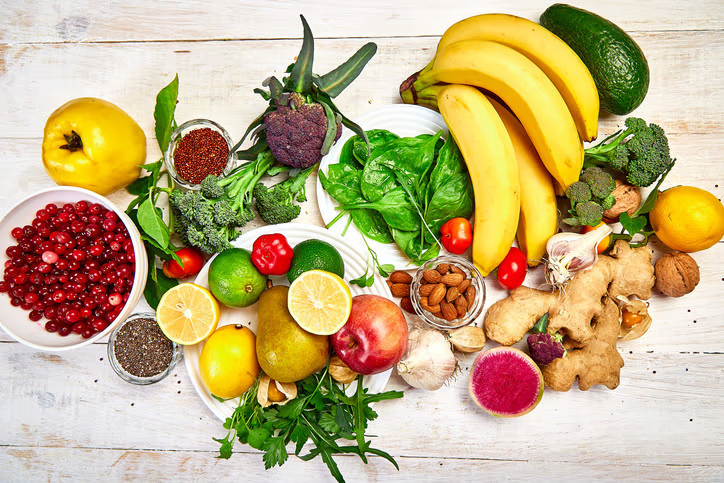
Key Findings
- Vitamins act as non-caloric biocatalysts and coenzymes essential for cellular respiration, DNA repair, and neural function.
- Fat-soluble vitamins (A, D, E, K) accumulate in liver and adipose reserves, whereas water-soluble vitamins require daily replenishment.
- Over 1 billion people worldwide suffer from Vitamin D insufficiency, while strict plant-based diets carry a high risk of Vitamin B12 deficiency.
The human body is an extraordinarily complex biochemical reactor. Inside trillions of living cells, millions of chemical reactions occur every second—converting glucose into energy, assembling structural muscle proteins, repairing damaged DNA strands, and transmitting neural impulses across synapses. Yet none of these fundamental processes can function without a class of organic compounds required in minute quantities: vitamins [1].
Unlike macronutrients such as carbohydrates, proteins, and fats, vitamins do not supply direct metabolic calories. Instead, they act as indispensable coenzymes, biocatalysts, and molecular regulators. Because the human genome lacks the biosynthetic machinery to produce the vast majority of these compounds endogenously, we are entirely dependent on regular dietary intake [1] [4].
In modern societies, overt deficiency syndromes like classical scurvy or severe rickets are rare. However, what epidemiologists describe as “hidden hunger”—chronic, subclinical micronutrient insufficiency—affects billions of people worldwide. From unexplained chronic fatigue and brain fog to recurrent infections, neuropathic tingling, and premature bone loss, undetected vitamin deficiencies silently undermine global public health. Drawing on seminal research from The Lancet, the New England Journal of Medicine (NEJM), and the Harvard T.H. Chan School of Public Health, this guide examines the functions, deficiency signs, and dietary solutions for all thirteen essential vitamins [1] [2] [4].
- 13 Essential
- Vital Micronutrients Vitamins required by human physiology that the body cannot synthesize in adequate quantities
- 1 Billion+
- Vitamin D Deficient Global population exhibiting sub-optimal serum 25-hydroxyvitamin D levels (The Lancet)
- Up to 47%
- B12 Deficiency Prevalence of cobalamin insufficiency among strict plant-based and vegetarian demographics
- 2 Categories
- Solubility Classes Fat-soluble (A, D, E, K) and water-soluble (B-complex vitamins and Vitamin C)
The Two Great Classes: Fat-Soluble vs Water-Soluble Vitamins
To understand how vitamins behave inside the human body, biochemists divide them into two distinct categories based on their chemical solubility [1]:
| Feature | Storage ClassFat-Soluble Vitamins (A, D, E, K) | Water-Soluble Vitamins (B-Complex & C) |
|---|---|---|
| Bodily Storage Site | Stored long-term in hepatic tissue and adipose fat reserves | Minimal bodily storage; circulate freely in aqueous blood plasma |
| Excretion Pathway | Eliminated slowly via bile and fecal routes; retained for weeks | Excess amounts filtered rapidly by kidneys and excreted in urine |
| Toxicity Risk (Hypervitaminosis) | Significant risk if megadosed via supplements (especially A and D) | Very low toxicity risk; excess rapidly eliminated through urination |
| Dietary Frequency Need | Periodic dietary intake sufficient due to biological tissue reservoirs | Continuous, daily dietary replenishment required to avoid deficiency |
| Absorption Requirement | Requires dietary fats and biliary micelle formation for absorption | Dissolves readily in aqueous fluids; absorbed directly across enterocytes |
Sources: National Institutes of Health (NIH) Office of Dietary Supplements; The Lancet.
Fat-Soluble Vitamins (A, D, E, K): Because they dissolve in non-polar organic solvents, their intestinal absorption depends entirely on healthy dietary fat digestion and biliary micelle secretion. Once absorbed into lymphatic chylomicrons, excess quantities are sequestered in liver hepatocytes and adipose lipid droplets. While this evolutionary storage mechanism shields the body during seasonal food scarcity, it introduces a clinical risk: megadosing fat-soluble vitamin pills can lead to toxic accumulation, known as hypervitaminosis [1] [2].
Water-Soluble Vitamins (The B-Complex and Vitamin C): These polar compounds circulate freely within the bloodstream and aqueous intracellular fluids. With the notable exception of Vitamin B12 (which is stored in the liver for several years), the body cannot store appreciable amounts of water-soluble vitamins. Any excess beyond immediate renal threshold capacity is filtered by the glomeruli and excreted in urine within hours. Consequently, daily dietary replenishment is mandatory [1] [3].
The Physiological Cascade of Vitamin Utilization
The Complete Micronutrient Matrix: Functions, Deficiencies, and Dietary Sources
Every essential vitamin fulfills a specialized, non-interchangeable physiological mandate. The following comprehensive matrix details the thirteen essential vitamins, their primary clinical roles, classic deficiency syndromes, and top whole-food sources [1] [4]:
| Vitamin & Chemical Name | Solubility Class | Primary Physiological Role | Hallmark Deficiency Signs & Syndromes | Top Dietary Sources |
|---|---|---|---|---|
| Vitamin A (Retinol / Carotenoids) | Fat-Soluble | Phototransduction in retina; epithelial barrier integrity and immune defense | Night blindness (nyctalopia), xerophthalmia, follicular hyperkeratosis | Carrots, sweet potatoes, dark leafy greens, egg yolk, fish liver oil |
| Vitamin B1 (Thiamine) | Water-Soluble | Coenzyme in carbohydrate catabolism and neuronal energy metabolism | Beriberi (wet/dry), Wernicke-Korsakoff syndrome, peripheral neuropathy | Whole unpolished grains, legumes, nutritional yeast, sunflower seeds |
| Vitamin B2 (Riboflavin) | Water-Soluble | Precursor to FMN and FAD coenzymes in cellular redox reactions | Angular cheilitis (cracked mouth corners), glossitis, photophobia | Dairy curd, almonds, eggs, spinach, fortified mushrooms |
| Vitamin B3 (Niacin) | Water-Soluble | Precursor to NAD/NADP driving cellular respiration and DNA repair | Pellagra (the 4 Ds: Dermatitis, Diarrhea, Dementia, Death) | Peanuts, brown rice, lentils, poultry, crimini mushrooms |
| Vitamin B9 (Folate / Folic Acid) | Water-Soluble | One-carbon transfer in nucleotide synthesis; fetal neural tube closure | Megaloblastic anemia, fetal neural tube defects, chronic fatigue | Dark green leafy vegetables, chickpeas, lentils, asparagus, citrus |
| Vitamin B12 (Cobalamin) | Water-Soluble | Myelin sheath preservation, homocysteine clearance, erythropoiesis | Pernicious anemia, subacute combined degeneration, tingling in extremities | Dairy milk, curd, paneer, eggs, fortified nutritional yeast, seafood |
| Vitamin C (Ascorbic Acid) | Water-Soluble | Collagen triple-helix hydroxylation; antioxidant free-radical scavenger | Scurvy, bleeding gums, petechial hemorrhages, delayed wound healing | Amla (Indian gooseberry), guava, bell peppers, lemons, oranges |
| Vitamin D (Cholecalciferol) | Fat-Soluble | Intestinal calcium absorption, bone mineral density, immune modulation | Rickets in children, osteomalacia in adults, chronic muscle weakness | Midday dermal sun exposure (UVB), fortified milk, fatty fish, egg yolks |
| Vitamin E (Tocopherols) | Fat-Soluble | Lipid-soluble antioxidant preventing peroxidation of polyunsaturated fats | Ataxia, peripheral neuropathy, hemolytic anemia, impaired reflexes | Almonds, sunflower seeds, cold-pressed vegetable oils, avocado |
| Vitamin K (Phylloquinone / MK-7) | Fat-Soluble | Post-translational gamma-carboxylation of clotting factors (II, VII, IX, X) | Coagulopathy, prolonged prothrombin time, excessive mucosal bleeding | Natto, kale, broccoli, spinach, fermented curd, green cabbage |
Sources: Harvard T.H. Chan School of Public Health; World Health Organization (WHO); New England Journal of Medicine (NEJM).
Vitamin B12: The Neurological Shield and the Plant-Based Dilemma
Among all water-soluble micronutrients, Vitamin B12 (Cobalamin) presents the most pressing clinical challenge in South Asia. Cobalamin is a massive organometallic molecule containing a central cobalt ion. It serves as an essential cofactor for two vital enzymes: methionine synthase (which clears cardiotoxic homocysteine and generates methyl donors for DNA methylation) and methylmalonyl-CoA mutase (which maintains myelin sheath integrity around peripheral and central nerves) [1] [3].
Because plants do not require B12 and lack the bacterial symbionts required to synthesize it, cobalamin does not naturally occur in plant foods. In populations following predominantly vegetarian diets, epidemiological surveys indicate that up to 47% of adults exhibit clinical or subclinical B12 deficiency [3]. Similar to the deep-seated metabolic disparities explored in our medical analysis of malnutrition-related metabolic disorders, micronutrient gaps can fundamentally alter lifelong physiology.
The clinical consequences of chronic B12 deficiency are severe. Early manifestations include macrocytic anemia, chronic exhaustion, and subtle cognitive deficits. If left untreated over months or years, the deficiency progresses to Subacute Combined Degeneration of the Spinal Cord—causing irreversible demyelination of posterior and lateral columns, resulting in peripheral paresthesias (“pins and needles”), sensory ataxia, gait unsteadiness, and memory impairment [3]. Strict vegetarians must consume fortified foods or take regular methylcobalamin supplements.
Vitamin D: The Sunshine Hormone and the Indoor Lifestyle Crisis
Although historically classified as a vitamin, Vitamin D (Cholecalciferol) is biochemically a secosteroid pre-hormone. In human evolution, diet was never intended to be the primary source of Vitamin D. When solar ultraviolet B (UVB) photons (wavelengths 290–315 nm) penetrate the epidermal layer of the skin, they photolyze 7-dehydrocholesterol into previtamin D3, which thermally isomerizes into cholecalciferol. Subsequent enzymatic hydroxylations in the liver (forming 25-hydroxyvitamin D) and kidneys produce the active endocrine hormone, 1,25-dihydroxyvitamin D (calcitriol) [2].
Active Vitamin D regulates over 200 human genes, enhancing intestinal calcium and phosphate absorption, stimulating osteoblast mineral deposition, and modulating immune cell differentiation. Yet despite abundant tropical sunshine across India, over 70% of urban residents are clinically deficient in Vitamin D. Modern lifestyles—characterized by indoor desk work, glass windows (which block 100% of UVB rays), extensive sunscreen application, and atmospheric pollution—severely limit cutaneous synthesis [2]. As highlighted in our pediatric guide on child health and outdoor recreation, ensuring that children receive regular midday outdoor sunlight is crucial for bone mineral accretion and lifelong skeletal strength.
The Bioavailability Principle: Whole Foods vs Synthetic Pill Megadosing
In response to rising health awareness, the commercial wellness industry heavily promotes synthetic multivitamin gummies, effervescent tablets, and megadose capsules. However, clinical nutrition scientists emphasize the critical difference between synthetic isolated chemical compounds and food-matrix bioavailability [1] [4].
In whole natural foods, vitamins do not exist in isolation. In an amla (Indian gooseberry) or an orange, Vitamin C is organically bound with bioflavonoids, polyphenols, enzymes, and dietary fiber that enhance intestinal absorption, prevent rapid oxidative breakdown, and prolong cellular uptake. Conversely, a massive 1,000 mg synthetic ascorbic acid pill saturates intestinal transport carriers, resulting in more than 70% of the dose being flushed directly into the bladder [1] [4].
Furthermore, fat-soluble vitamins require dietary lipids for micellar incorporation. Swallowing a Vitamin D or Vitamin E softgel with a glass of water on an empty stomach results in minimal gastrointestinal absorption. To maximize bioavailability, fat-soluble supplements should always be consumed alongside meals containing healthy fats—such as cold-pressed oils, nuts, seeds, or dairy curd [1].
Clinical Evaluation: When and How to Test for Deficiencies
Before initiating long-term high-dose dietary supplementation, individuals should undergo objective clinical biomarker testing. Essential diagnostic assays include [1] [3]:
- Serum 25-Hydroxyvitamin D [25(OH)D]: The gold standard for assessing total bodily Vitamin D stores. Levels below 20 ng/mL indicate deficiency; 30 to 50 ng/mL represents optimal physiological sufficiency.
- Serum Vitamin B12 and Total Homocysteine: Serum B12 levels below 200 pg/mL indicate deficiency. In borderline cases (200–300 pg/mL), elevated homocysteine or methylmalonic acid (MMA) provides functional metabolic confirmation of cellular B12 deprivation.
- Complete Blood Count (CBC) with Peripheral Smear: Evaluates Mean Corpuscular Volume (MCV). High MCV (>100 fL) indicates macrocytic anemia (B12 or folate deficiency), whereas low MCV (<80 fL) indicates microcytic anemia (iron deficiency).
By prioritizing nutrient-dense whole foods, spending mindful time in natural sunlight, and employing targeted, medically supervised supplementation when indicated, individuals can optimize their cellular biochemistry, prevent debilitating chronic deficiencies, and sustain vibrant lifelong vitality [1] [2] [4].
Frequently Asked Questions (FAQ)
Why are strict vegetarians and vegans at high risk for Vitamin B12 deficiency?
Vitamin B12 (cobalamin) is synthesized exclusively by certain anaerobic soil and gut bacteria, not plants. In the natural food supply, it concentrates only in animal-derived foods (dairy, eggs, meat). Individuals following plant-based diets must consume fortified foods or take regular methylcobalamin supplements to prevent neurological damage.
Can you get adequate Vitamin D from food alone without sunlight?
It is nearly impossible. Very few natural foods contain meaningful quantities of Vitamin D. Over 90% of human physiological requirements are intended to be synthesized endogenously in the skin through the action of ultraviolet B (UVB) sunlight on 7-dehydrocholesterol. For individuals working indoors, clinical supplementation is frequently necessary.
Is it dangerous to consume high-dose vitamin supplements without a blood test?
Yes, particularly for fat-soluble vitamins (A, D, E, K). Because they accumulate in the liver and adipose tissues, excessive intake can lead to clinical hypervitaminosis. For instance, Vitamin A toxicity causes hepatomegaly and bone demineralization, while excessive Vitamin D induces hypercalcemia and kidney stone formation.
What is the best time of day to take vitamin supplements?
Fat-soluble vitamins (A, D, E, K) should be taken with your largest meal containing healthy dietary fats (such as ghee, nuts, or curd) to optimize micellar absorption. Water-soluble vitamins (B-complex and Vitamin C) are best taken in the morning with a glass of water on an empty stomach or with a light breakfast.
How do medications interfere with vitamin absorption?
Common medications significantly deplete micronutrients. Long-term use of proton pump inhibitors (antacids) reduces stomach acid, impairing B12 and iron extraction. Metformin reduces ileal B12 uptake, and certain diuretics accelerate urinary loss of magnesium and thiamine.
Glossary
Scientific terms used in this article
- BioavailabilityNutrient Absorption Rate
- The fraction of an ingested nutrient that successfully reaches the systemic circulation in active form.
- HypervitaminosisVitamin Toxicity
- A toxic clinical condition caused by the excessive accumulation of fat-soluble vitamins in the body.
- Pernicious AnemiaB12 Malabsorption Anemia
- An autoimmune or dietary deficiency in intrinsic factor preventing the ileal absorption of Vitamin B12.
- CholecalciferolBioactive Vitamin D3
- The secosteroid form of Vitamin D produced endogenously in human skin upon exposure to solar UVB radiation.
- Ascorbic AcidAntioxidant Vitamin C
- A potent water-soluble antioxidant essential for collagen peptide synthesis, immune defense, and iron uptake.
Vitamins: Dietary intake, biochemistry, and human health
- Journal
- The Lancet
- Study Type
- Review
- Year
- 2003
DOI10.1016/S0140-6736(03)15268-3
References
- ↩ Bates CJ, et al. Vitamins: Dietary intake, biochemistry, and human health. The Lancet. 2003;362(9395):1526-1531
- ↩ Holick MF. Vitamin D deficiency: an ignored global pandemic. New England Journal of Medicine. 2007;357(3):266-281
- ↩ Hunt A, Harrington D, Robinson S. Vitamin B12 deficiency in clinical practice: evaluation and management. British Medical Journal. 2014;349:g5226
- ↩ Harvard T.H. Chan School of Public Health. Nutrition and Health Guidelines: Micronutrients in Preventive Medicine


No comments yet. Be the first to join the conversation.