

Key Findings
- In a 3,018-person randomized trial, finishing warm showers with 30 to 90 seconds of cold water reduced work sickness absences by 29% [1].
- Healthy outer skin requires an acidic pH of 4.5 to 5.5 to build protective ceramide lipid layers and inhibit bacteria [2].
- A 10-minute warm shower or bath at 40 to 42.5 C taken 1 to 2 hours pre-bed speeds sleep onset by cooling core body heat [3].
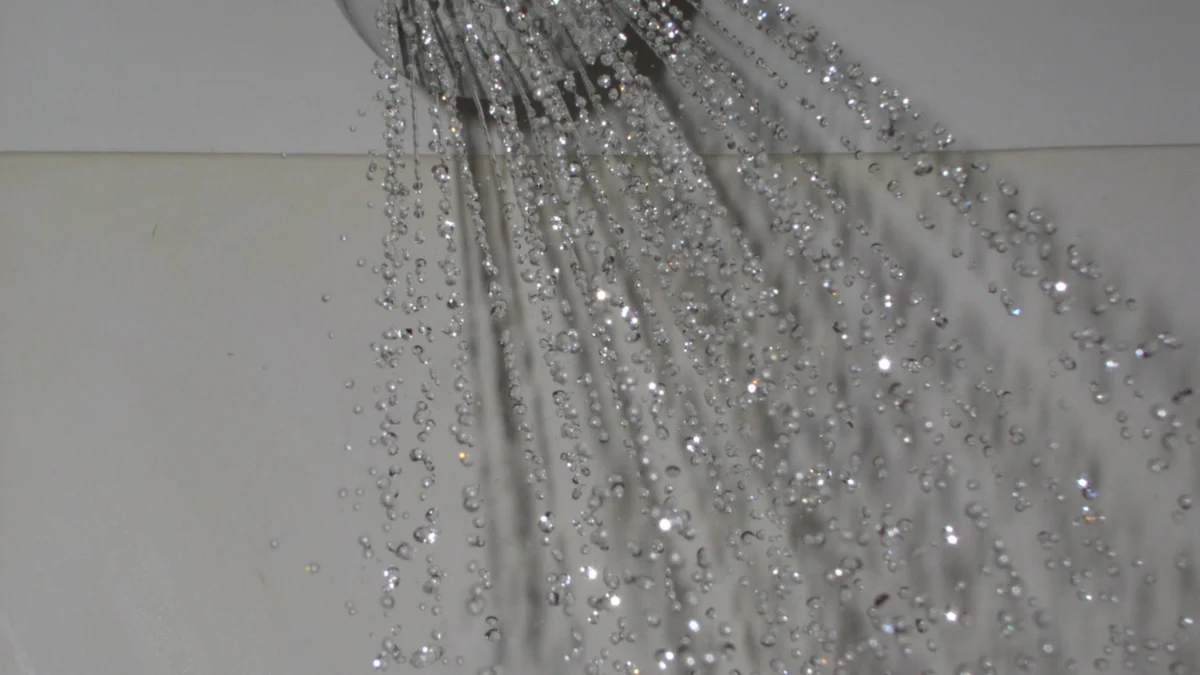
Turning a morning shower knob sharply toward cold water triggers an immediate gasp, racing pulse, and skin vasoconstriction [1]. Most people jump out within seconds. Yet a randomized Dutch clinical trial of 3,018 adults tested ending warm showers with 30 to 90 seconds of cold water [1].
Thirty days later, participants assigned to routine hot-to-cold showers reported 29 percent fewer days absent from work due to sickness compared with warm-only controls [1]. Total days feeling ill did not drop, yet cold-shower participants felt better able to keep functioning [1].
Dermatology and thermoregulation research clarifies why water temperature changes skin barrier lipids, autonomic stress balance, and bedtime sleep timing [1, 2, 3]. For a focused clinical look at nighttime bath vasodilation, read our report on how evening warm baths speed sleep onset alongside how deep sleep clears brain metabolites.
Why This Matters: Protecting Skin While Mastering Thermal Stress
Bathing happens almost daily across a lifetime. Yet water temperature and soap chemistry pull human physiology in opposite directions [1, 2]. Steaming hot showers strip outer epidermal oils quickly, whereas cold blasts constrict peripheral vessels cleanly [2].
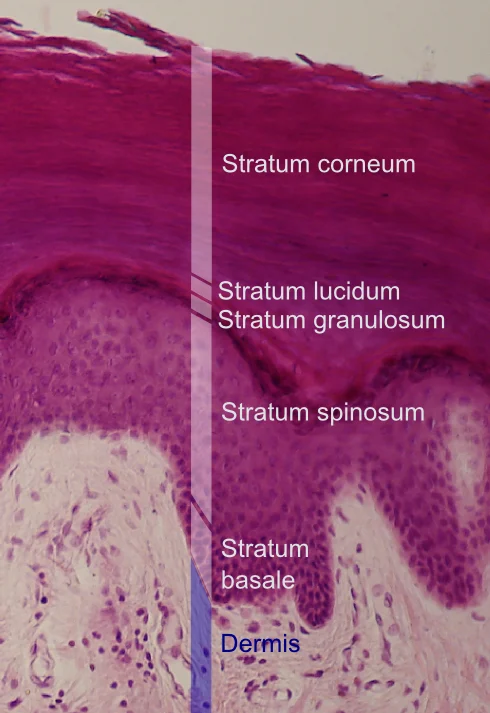
Every square centimeter of skin relies on a paper-thin outermost brick wall called the stratum corneum [2]. When scalding water and harsh alkaline detergents dissolve intercellular fats, invisible micro-cracks invite winter itching, flare-ups, and bacterial colonization [2]. People with mild eczema or dry winter shins feel that barrier breakdown first as tight redness hours after bathing [2]. Protecting epidermal lipids helps keep skin calm across both humid monsoons and indoor air-conditioned offices.
Understanding how thermal stimulation interacts with vascular tone and barrier lipids lets households pick temperature, timing, and mild cleansers deliberately instead of guessing [1, 2, 3]. Choosing gentle bathing settings protects long-term dermal resilience without sacrificing evening muscle relaxation [2, 3].
How the Study Was Done: Cold Showers vs Skin Barrier Assays
Three complementary lines of clinical and cellular evidence define modern bathing physiology [1, 2, 3]. First, Geert Buijze and colleagues published a randomized controlled trial in PLoS ONE in 2016 enrolling 3,018 healthy adults aged 18 to 65 across the Netherlands [1]. Recruitment ran across general community volunteers without severe chronic cardiovascular conditions [1].
Participants kept their usual warm showers and then randomized to either stay warm or finish with 30, 60, or 90 seconds of cold water daily for 30 days [1]. Self-reported sickness absence from work, overall illness days, and subjective energy ratings served as primary trial endpoints [1]. Researchers then followed voluntary continuation habits up to 90 days after randomization [1].
Second, dermatologist Peter Elias synthesized epidermal barrier biochemistry in the Journal of Investigative Dermatology [2]. His work traced how skin surface acidity (pH 4.5 to 5.5) governs lipid-processing enzymes inside outer skin layers [2]. Third, Shahab Haghayegh and colleagues pooled pre-bedtime passive heating studies in Sleep Medicine Reviews to quantify warm shower sleep effects [3].
What Cold Showers Really Changed in Clinical Trials
Buijze and colleagues’ trial delivered surprising nuance often missing from wellness hype [1]. All three cold-shower durations (30, 60, and 90 seconds) produced the same 29 percent drop in sickness work absence (incident rate ratio 0.71, P=0.003) [1].
Crucial context emerged inside secondary measurements [1]. Cold-shower groups did not catch fewer viral colds overall: total reported sick days remained statistically unchanged compared with warm controls [1].
Why did absences drop even when illness episodes occurred just as frequently [1]? Researchers noted that acute norepinephrine bursts, sympathetic adaptation, and improved perceived energy likely reduced symptom severity or morning fatigue [1]. Interestingly, combining regular physical activity with cold finishes reduced work absence even further [1]. Adherence stayed strong after the trial ended too: roughly two-thirds of cold-shower participants chose to keep ending their daily showers with cold water voluntarily [1]. Maintaining regular movement habits explored in our daily walking cardiovascular guide amplifies autonomic resilience cleanly.
Biologists still avoid overstating those self-reported workplace findings [1]. Cold water sprays did not transform participants into virus-proof athletes or prevent respiratory bugs from spreading indoors [1]. Instead, brief repeated cold shock acted like mild behavioral resilience training against morning sluggishness [1].
How Skin and Blood Vessels Respond to Shower Temperature
- Warm (40 C)
Peripheral Vasodilation Opens
Warm water relaxes surface capillaries in hands and feet, preparing core heat release afterward [3]. - Cold (30 to 90s)
Norepinephrine Alertness Surge
Sudden cold skin receptors trigger peripheral constriction and brief sympathetic arousal [1]. - Acidic Cleanser
Stratum Corneum Stays Intact
Keeping skin near pH 4.5 to 5.5 preserves ceramides and blocks alkaline protease breakdown [2]. - Evening Window
Post-Bath Cooling Aids Sleep
Finished 1 to 2 hours pre-bed, warm showers drop core temperature cleanly for sleep onset [3].
The Stratum Corneum Brick Wall: Lipids, pH, and Hot Water
Dermatologist Peter Elias famously modeled the outer skin surface as bricks and mortar [2]. Protein-rich dead corneocyte cells act as rigid bricks packed inside a waterproof lipid mortar made of ceramides, cholesterol, and free fatty acids [2].
Healthy skin maintains an acidic surface film between pH 4.5 and 5.5 [2]. That acid mantle turns on ceramide-building enzymes, including beta-glucocerebrosidase and acidic sphingomyelinase, that assemble sealed lipid sheets [2].
Conventional alkaline bar soaps push skin pH temporarily upward above 8 or 9, switching off lipid repair enzymes while hyper-activating destructive proteases [2]. Pairing harsh alkaline soap with steaming hot water melts waxy sebum faster, sharply elevating transepidermal water loss once you towel dry [2]. Compromised neutral-pH skin also invites opportunistic microbes like Staphylococcus aureus to colonize dry crevices [2].
Modern synthetic-detergent cleansers (“syndets”) formulated near pH 5.5 avoid spiking surface alkalinity cleanly [2]. Dermatologists often recommend reserving cleanser primarily for skin folds, groin, underarms, and feet rather than heavily lathering lower legs every single day [2]. Adding physiological barrier creams holding ceramides, cholesterol, and free fatty acids accelerates repair whenever dry air stresses the skin barrier [2]. Clinical skin barrier research highlights equimolar mixtures of those three native skin lipids as far gentler than heavy occlusive petroleum alone [2].
Infant and older adult skin stays especially sensitive to overly hot bathwater and strong surfactants [2]. Newborn skin starts near neutral pH right at birth before maturing its protective acid mantle, while aging skin synthesizes ceramides more slowly each decade [2].
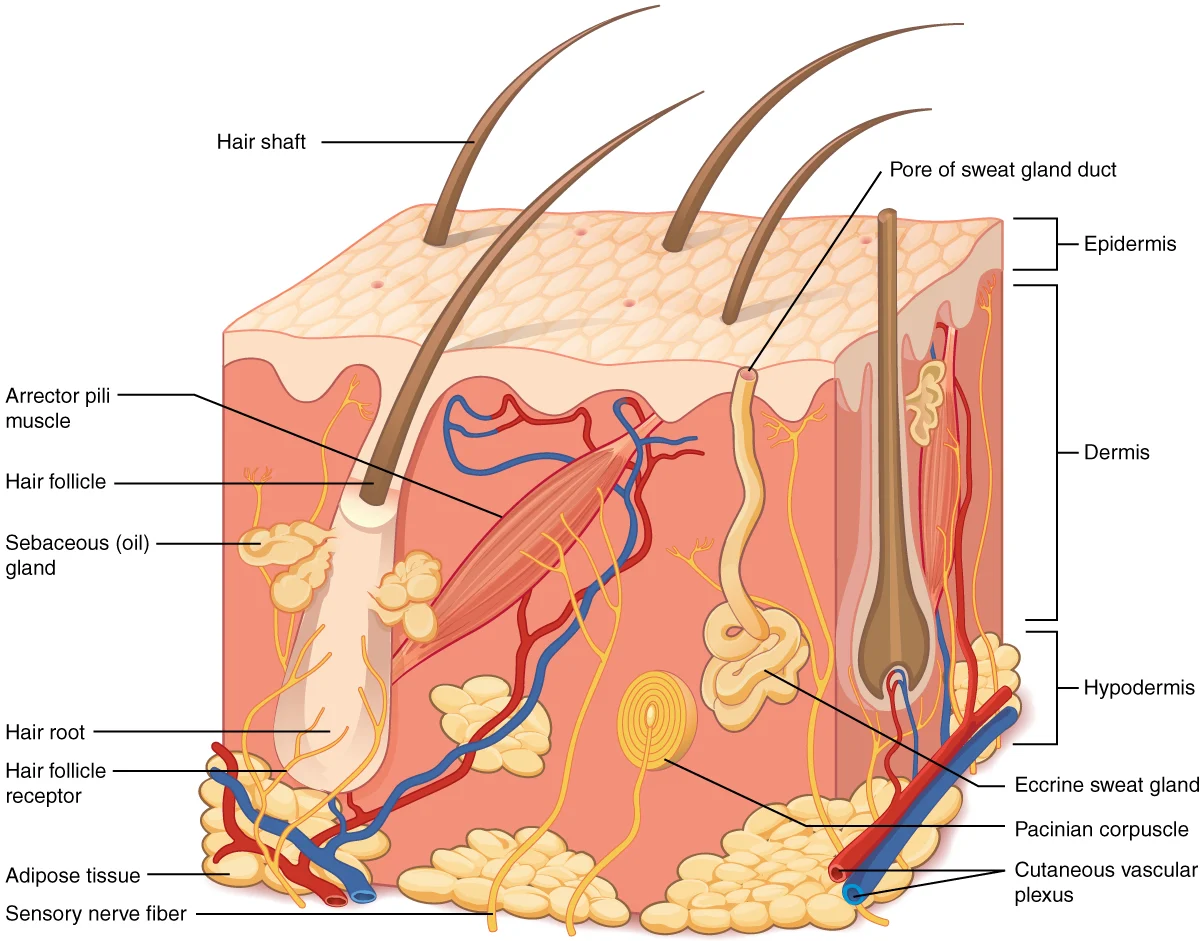
Table 1 contrasts physiological responses across cold showers, warm evening baths, and hot soapy washes [1, 2, 3].
| Bathing Regime | Target Temperature | Vascular & Immune Effect | Skin Barrier Impact |
|---|---|---|---|
| Hot-to-Cold Finish (30 to 90s) [1] | Warm then brief cold (~10 to 12 C) | 29% fewer work sick days; acute alertness | Minimal lipid stripping if warm phase stays brief |
| Evening Warm Shower/Bath [3] | 40 to 42.5 C (1 to 2 hrs pre-bed) | Peripheral vasodilation & ~10 min faster sleep | Safe if brief (10 min) with mild pH-balanced cleanser |
| Scalding Hot + Alkaline Soap [2] | Above 43 C + high-pH soap | Risk of orthostatic dizziness in frail adults | Elevates surface pH, strips ceramides, dries barrier |
Compiled from Buijze et al. (2016), Elias (2005), and Haghayegh et al. (2019).
How Evening Showers Cool the Core for Better Sleep
Timing changes everything when pairing showers with rest [3]. Haghayegh and colleagues’ 2019 meta-analysis evaluated warm baths and showers around 40 to 42.5 degrees Celsius [3]. Scheduling a 10-minute warm soak 1 to 2 hours before bed trimmed sleep onset latency by roughly 10 minutes [3].
Rather than overheating internal organs, warm water floods capillaries in hands and feet with warm blood [3]. Stepping into cooler bedroom air then drops core internal temperature right as sleep hormones rise [3]. Meanwhile, cold showers close down surface skin blood vessels tightly, waking up the nervous system in the morning rather than relaxing it before bed [1].
Protecting skin moisture right after evening showers takes less than sixty seconds. Patting skin lightly and applying a simple fragrance-free moisturizer onto slightly damp skin traps hydration inside intact stratum corneum bricks [2]. Avoid rubbing rough bath towels across wet forearms aggressively, as harsh mechanical friction flakes superficial corneocytes and irritates sensitive hair follicles [2].
Combining smart bathing temperature with mild cleansers turns daily hygiene into practical preventive physiology [1, 2, 3]. Morning coolness sharpens alertness cleanly without stripping skin lipids, while properly timed evening warmth prepares deep brain sleep stages reliably [1, 3].
What the study cannot tell us: Cold Shock and Trial Limits
Even well-designed trials leave key blind spots requiring caution [1, 2, 3]. In Buijze and colleagues’ Dutch cold-shower study, participants obviously knew whether cold water hit their shoulders, making strict double-blinding impossible [1]. Sickness absence metrics also relied on self-reported survey totals rather than lab-confirmed viral swabs [1].
Cold immersion also triggers an involuntary gasp reflex and sharp blood pressure spike [1]. Clinicians advise anyone with unstable coronary artery disease, arrhythmias, Raynaud’s phenomenon, or cold urticaria to skip sudden freezing showers [1]. Elderly or frail individuals should also keep bathroom floors non-slip and avoid abrupt extreme thermal swings [1, 3].
Finally, ideal bathing frequency depends heavily on climate, physical work, and genetics [2]. Humid tropical weather demands sweat removal daily, whereas dry winter climates call for shorter lukewarm showers paired with gentle syndet cleansers rather than aggressive scrubbing [2]. Checking how skin feels two hours after drying gives a clear practical test [2]. Smooth, supple skin signals intact barrier lipids. Tight itching flags water that ran too hot or soap too harsh [2].
Frequently Asked Questions About Bathing Science
Frequently Asked Questions
Do cold showers stop you from catching viral colds altogether?
No. In the 3,018-person Dutch randomized trial, cold shower participants experienced the exact same number of illness days overall as warm controls, though self-reported sickness absences from work fell by 29 percent.
How long does a cold shower finish need to last to match clinical results?
In the randomized trial, finishing a warm shower with 30 seconds, 60 seconds, or 90 seconds of cold water produced essentially identical reductions in work absence after 30 days.
Why does overly hot water leave skin itchy and tight afterward?
Very hot water paired with alkaline bar soap strips natural ceramide lipids and raises surface pH above the normal 4.5 to 5.5 acid mantle, impairing enzymes that seal skin moisture.
Should you take an ice-cold shower right before going to bed?
Usually no. Cold water stimulates norepinephrine alertness and constricts surface blood vessels, trapping deep core warmth, whereas a brief warm shower 1 to 2 hours pre-bed boosts surface heat dissipation for sleep.
Technical Terms and Definitions
Scientific terms used in this article
- Stratum CorneumOutermost Protective Skin Layer
- The brick-and-mortar outer epidermis layer built from corneocytes embedded in ceramide, cholesterol, and fatty acid sheets.
- Acid MantleNatural Skin Surface Acidity
- The mildly acidic pH 4.5 to 5.5 surface environment required for skin barrier enzymes and defense against bacteria.
- Transepidermal Water LossInvisible Skin Moisture Evaporation
- The amount of water vapor escaping continuously across epidermal layers into surrounding air.
- Peripheral VasoconstrictionCold Skin Vessel Narrowing
- Narrowing of surface skin blood vessels upon cold exposure to conserve core internal heat.
Scientific References and Primary Literature
The Effect of Cold Showering on Health and Work: A Randomized Controlled Trial
- Journal
- PLoS ONE
- Study Type
- RCT
- Year
- 2016
DOI10.1371/journal.pone.0161749
Timeline
- 2005
Skin Acid Mantle & Lipid Enzymes Mapped
Elias integrated ceramide biosynthesis and pH 4.5 to 5.5 antimicrobial defenses.
- 2016
3,018-Person Cold Shower RCT
Buijze et al. showed 30 to 90 second cold finishes lowered work sickness absence by 29%.
- 2019
Bedtime Warming Meta-Analysis
Haghayegh et al. quantified faster sleep onset after 40 to 42.5 C pre-bed bathing.
References
- ↩ Buijze, G. A., Sierevelt, I. N., van der Heijden, B. C. J. M., Dijkgraaf, M. G., & Frings-Dresen, M. H. W. (2016). The Effect of Cold Showering on Health and Work: A Randomized Controlled Trial. PLoS ONE 11(9), e0161749.
- ↩ Elias, P. M. (2005). Stratum corneum defensive functions: an integrated view. Journal of Investigative Dermatology 125(2), 183-200.
- ↩ Haghayegh, S., Khoshnevis, S., Smolensky, M. H., Diller, K. R., & Castriotta, R. J. (2019). Before-bedtime passive body heating by warm shower or bath to improve sleep: A systematic review and meta-analysis. Sleep Medicine Reviews 46, 124-135.

No comments yet. Be the first to join the conversation.