


Key Findings
- Smokers carry 1,000 to 10,000 extra somatic mutations per bronchial cell, while ex-smokers retain 4x more near-normal stem cells that rebuild airways.
- Lifelong smokers lose roughly 10 years of life expectancy, whereas quitting before age 40 avoids about 90 percent of excess mortality risk.
- Carbon monoxide clears within 12 hours and excess coronary heart disease risk drops roughly 50 percent after one year.
Twenty minutes after your final cigarette, your resting heart rate and peripheral blood pressure begin to fall [4]. Within twelve hours, toxic carbon monoxide clears from your bloodstream, freeing red blood cells to carry oxygen normally [4]. Even better, DNA sequencing of human lung biopsies shows that healthy unmutated cells expand to rebuild your airways once smoking stops [1].
These biological repairs counter a severe lifelong penalty. Large prospective cohorts demonstrate that continuing smokers lose an average of ten years of life expectancy compared with never-smokers [2]. Quitting at any age lowers mortality risk, while stopping before age 40 avoids roughly 90 percent of excess smoking mortality [2].
Four core lines of biomedical evidence explain what changes inside blood vessels, airway DNA, and survival curves after cessation [1, 2, 3, 4]. Pairing regular cardiovascular movement with total abstinence speeds vascular and metabolic recovery across every organ system [3].
- 10 Years
- Life Lost by Lifelong Smokers Average survival gap compared with never-smokers in cohort data [2]
Why This Matters: Stopping Damage Inside Living Airways
Cigarette smoke is not a simple mist of nicotine. Each inhalation draws thousands of combustion gases, reactive free radicals, and particulate tar droplets across delicate lung membranes [3]. Over years of exposure, this chemical stress breaks vascular signaling and scars genetic code across exposed tissues [1, 3].
For decades, clinicians worried that smoking-induced lung mutations were entirely permanent. Newer single-cell genomics overturned part of that bleak view [1]. While mutated cells cannot easily erase old DNA scars, healthy stem cells hiding inside protected airway niches survive and multiply once toxic smoke vanishes [1].
Recovery also protects arteries, heart muscle, and brain circulation long before cancer ever develops. Restoring normal blood vessel elasticity reduces heart attack risk years earlier than most smokers expect [3, 4]. Understanding these cellular benchmarks helps people treat quitting as immediate biological repair rather than a willpower test.
How the Study Was Done: Biopsy Sequencing and Cohorts
Researchers uncovered cellular recovery by combining whole-genome sequencing, vascular ultrasound, and decades-long mortality tracking [1, 2, 3]. In 2020, Kenichi Yoshida, Peter Campbell, Sam Janes, and colleagues analyzed bronchial biopsies from never-smokers, current smokers, and ex-smokers [1].
The team grew single bronchial epithelial cells in culture into 632 individual colonies and sequenced their complete genomes [1]. By comparing individual cell colonies from healthy adults, heavy smokers, and former smokers, they mapped exact mutation counts and cancer driver genes cell by cell [1].
On the clinical survival side, Prabhat Jha and Richard Peto synthesized national prospective cohort data across millions of person-years [2]. They compared death rates across smoking initiation ages, lifelong smokers, and former smokers grouped by quitting age [2].
To trace blood vessel healing, Ravin Puranik and David Celermajer reviewed human arterial physiology studies using high-resolution ultrasound [3]. Clinicians measure brachial artery flow-mediated dilation to see whether blood vessels relax properly when blood flow increases [3].
What Happens Inside Lungs: Airway Cells Rebuild
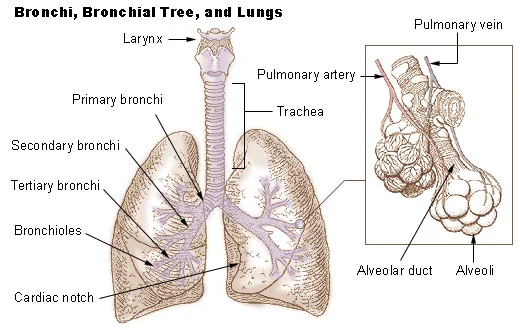
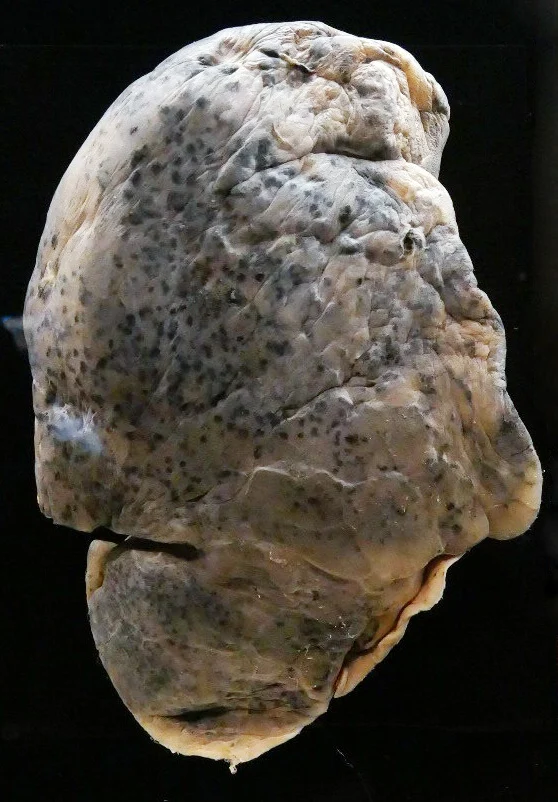
Every puff of cigarette smoke assaults the bronchial lining with polycyclic hydrocarbons, nitrosamines, and aldehydes [1]. In Yoshida and colleagues’ sequencing analysis, normal bronchial cells in current smokers carried between 1,000 and 10,000 extra somatic mutations compared with cells from never-smokers [1].
Roughly one quarter of sequenced bronchial cells in current smokers already harbored at least one cancer-driving mutation [1]. Some individual cells even carried two or three driver mutations while still appearing microscopically normal under a pathologist’s lens [1].
Ex-smokers displayed a striking biological contrast. Alongside heavily mutated cells, their airways contained a pool of near-normal cells that had largely escaped tobacco mutagenesis [1]. These protected cells appeared four times more frequently in ex-smokers than in continuing smokers [1].
Where do these undamaged cells come from after decades of smoking? Researchers propose they sit quietly in protected submucosal niches during years of exposure [1]. Once cigarette smoke stops, those pristine stem cells expand across the bronchial surface to replace damaged neighbors [1].
Meanwhile, microscopic hair-like cilia lining the bronchi recover rhythmic sweeping motion over the first one to nine months after quitting [4]. Former smokers often notice temporary coughing during early recovery as restored cilia push out trapped mucus [4].
Blood Vessels and Oxygen: Nitric Oxide Recovers
Tobacco smoke injures the cardiovascular system almost immediately through two mechanisms: oxygen displacement and endothelial stress [3, 4]. Carbon monoxide in cigarette smoke binds hemoglobin far more tightly than oxygen, forming carboxyhemoglobin that starves tissues of oxygen [4]. Even mild activity feels harder because working heart and leg muscles receive less fuel per heartbeat.
Clearing excess carbon monoxide takes roughly 12 hours of smoke-free breathing [4]. Over the next few days, platelets become less hyper-reactive inside coronary arteries [3, 4]. As blood oxygen capacity normalizes, the heart no longer pumps as hard at rest to feed working muscles and brain cells [4].
Even more insidious is damage to the endothelium, the delicate single-cell inner lining of arteries. As Puranik and Celermajer documented, free radicals in both active and secondhand smoke strip away nitric oxide bioavailability [3]. Without nitric oxide, arteries stiffen, platelets grow stickier, and LDL cholesterol oxidizes faster inside vessel walls [3].
Ultrasound testing reveals that arterial dilation improves markedly once smoke exposure stops [3]. Controlling blood pressure alongside smoking cessation multiplies vascular benefit, as detailed in our guide on how hypertension strains arterial walls. Healthy vascular aging also reflects broader cellular biomarkers explored in our report on centenarian blood biomarkers.
How Organs Repair After Your Last Cigarette
- 20 Minutes to 12 Hours
Blood Pressure and Carbon Monoxide Drop
Heart rate slows toward baseline and carbon monoxide clears from hemoglobin, restoring oxygen delivery [4]. - Weeks 2 to 12
Circulation and Vessel Reactivity Improve
Endothelial nitric oxide availability rises and peripheral circulation steadies as oxidative stress subsides [3, 4].
Years of Life Regained Across Quitting Ages
People often ask whether quitting after age 40 or 50 still changes long-term survival. Large epidemiological cohorts reviewed by Jha and Peto give a clear quantitative answer [2]. On average, lifelong smokers lose roughly a full decade of survival compared with lifelong non-smokers [2].
Stopping before age 40 recovers nine to ten years of lost life expectancy, eliminating roughly 90 percent of excess mortality [2]. Even smokers who quit later still recapture substantial survival gains relative to continuing smokers [2]. Chart 1 summarizes average years of life gained across cessation age groups from Jha and Peto’s analysis [2].
As Chart 1 shows, quitting by age 40 restores nearly a full decade, while quitting around age 50 gains roughly six years [2]. Stopping around age 60 still returns three to four years of healthy survival [2]. Measurable reductions in mortality risk emerge within three years of cessation at every age [2].
Table 1 tracks verified physiological and clinical recovery benchmarks from minutes after stopping through decades of sustained abstinence [1, 2, 3, 4].
| Recovery Window | Biological System | Documented Measurable Change | Primary Evidence |
|---|---|---|---|
| 20 minutes to 12 hours | Heart and hemoglobin | Heart rate drops and blood carbon monoxide normalizes | CDC Clinical Cessation Guidance [4] |
| 2 weeks to 3 months | Vascular endothelium and lungs | Circulation steadies and lung function rises | Puranik & Celermajer 2003; CDC [3, 4] |
| 1 to 9 months | Bronchial airway lining | Coughing drops as cilia clear mucus and unmutated cells expand | Yoshida et al. 2020; CDC [1, 4] |
| 1 year | Coronary arteries | Excess risk of coronary heart disease drops roughly 50% | CDC Clinical Cessation Guidance [4] |
| 5 to 15 years | Systemic vascular and cancer risk | Stroke risk approaches non-smoker baseline and cancer deaths fall | Jha & Peto 2014; CDC [2, 4] |
Compiled from Yoshida et al. (2020), Jha & Peto (2014), Puranik & Celermajer (2003), and US CDC Cessation Milestones.
How Nicotine Dependence Fades Inside the Brain
Cellular healing takes weeks or years, yet brain chemistry starts adjusting during the very first month [4]. Nicotine crosses the blood-brain barrier within seconds of each puff and binds nicotinic acetylcholine receptors [4]. Repeated nicotine spikes trigger dopamine surges that condition habits around stress, meals, and social breaks [4].
When nicotine stops arriving, brains upregulate receptor sensitivity during the first 48 to 72 hours. That temporary chemical drop triggers irritability, cravings, restlessness, and disrupted sleep [4]. Pairing smoke-free routines with better restorative sleep helps stabilize mood, as discussed in our overview of how sleep clears brain metabolites.
Within four to six weeks of abstinence, nicotinic receptor density normalizes toward non-smoker levels, softening physical cravings [4]. Behavioral triggers tied to coffee cups or work stress last longer than receptor withdrawal. Combining nicotine replacement with behavioral counseling gives former smokers much stronger odds of staying smoke-free [4].
- Nicotine Replacement Therapy: Patches, gums, and lozenges supply steady, smoke-free nicotine while bronchial cells and vessels recover from tar and carbon monoxide [1, 4].
- Behavioral Counseling: Structured coaching teaches cue replacement strategies during high-risk craving windows in the first four weeks [4].
- Prescription Non-Nicotine Support: Clinician-prescribed cessation medications dampen withdrawal discomfort and reduce relapse odds compared with unassisted quitting [4].
Cellular aging and oxidative injury slow down rapidly once tobacco oxidants vanish from the bloodstream. You can see related cellular repair biology in our report on cellular longevity pathways and NAD metabolism. Across large human studies, early cessation consistently yields the biggest survival dividend, though quitting even at age 60 adds meaningful years of life [2].
What the study cannot tell us: Limits of Recovery
Honest medical communication must distinguish reversible airway biology from permanent structural loss. While bronchial stem cells repopulate mucosal surfaces after quitting, severe alveolar wall rupture from advanced emphysema does not grow back [1, 4]. Stopping smoking immediately slows further lung function loss, yet lost alveoli stay gone [4].
In addition, Yoshida and colleagues examined bronchial biopsies from 16 individuals [1]. Expanding sequencing cohorts across diverse ages and exposure histories will clarify how fast undamaged stem cells outcompete mutated clones over ten or twenty years [1].
Former heavy smokers also carry residual elevated cancer risk compared with lifelong never-smokers, even decades after quitting [2]. Annual low-dose chest imaging remains medically worthwhile for eligible older adults with long pack-year histories, regardless of how well they feel.
Frequently Asked Questions About Quitting Smoking
Frequently Asked Questions
Can damaged lung tissue genuinely regenerate after quitting smoking?
Yes, at the cellular lining level. A 2020 Nature sequencing study showed that former smokers carry four times more near-normal bronchial cells than current smokers, allowing healthy cells to replenish airways. Structural emphysema scarring, however, does not reverse.
Why do many people cough more during the first month after quitting?
Temporary coughing is a sign of ciliary recovery. As smoke toxins clear, microscopic hair-like cilia regain motion and sweep trapped mucus upward out of the lungs.
Is it still worth quitting smoking after age 50 or 60?
Yes. Prospective cohort analyses show that quitting around age 50 restores about 6 years of life expectancy, and quitting around age 60 restores roughly 3 to 4 years compared with continuing to smoke.
How fast does heart attack risk fall once smoking stops?
Heart rate and blood pressure start falling within 20 minutes, blood carbon monoxide clears in about 12 hours, and excess coronary heart disease risk drops by roughly 50 percent after one smoke-free year.
Technical Terms and Definitions
Scientific terms used in this article
- Somatic MutationsAcquired DNA Changes
- Genetic alterations accumulated inside body cells during life from smoke carcinogens rather than inherited from parents.
- Endothelial Nitric OxideBlood Vessel Relaxing Signal
- A protective gas made by artery linings that relaxes blood vessels and prevents dangerous blood clotting.
- Mucociliary ClearanceAirway Self-Cleaning System
- The coordinated sweeping of microscopic cilia and mucus that clears inhaled dust, microbes, and smoke particles.
- CarboxyhemoglobinCarbon Monoxide-Bound Blood Protein
- Hemoglobin molecules jammed by inhaled carbon monoxide instead of carrying oxygen to organs.
- Driver MutationsCancer-Linked Gene Changes
- Specific DNA mutations that give cells a growth advantage and push tissue closer toward tumor formation.
Scientific References and Primary Literature
Tobacco smoking and somatic mutations in human bronchial epithelium
- Journal
- Nature
- Study Type
- Lab
- Year
- 2020
DOI10.1038/s41586-020-1961-1
Timeline
- 2003
Endothelial Reversibility Established
Puranik & Celermajer showed nitric oxide vessel dysfunction improves after cessation.
- 2014
Survival Recovery Quantified
Jha & Peto quantified up to 10 years of life lost and 90% excess mortality avoided by quitting before age 40.
- 2020
Airway Stem Cell Renewal Proven
Yoshida et al. found ex-smokers carry 4x more near-normal bronchial cells to rebuild airways.
References
- ↩ Yoshida, K., Gowers, K. H. C., Lee-Six, H., et al. (2020). Tobacco smoking and somatic mutations in human bronchial epithelium. Nature 578(7794), 266-272.
- ↩ Jha, P., & Peto, R. (2014). Global Effects of Smoking, of Quitting, and of Taxing Tobacco. New England Journal of Medicine 370(1), 60-68.
- ↩ Puranik, R., & Celermajer, D. S. (2003). Smoking and endothelial function. Progress in Cardiovascular Diseases 45(6), 443-458.
- ↩ Centers for Disease Control and Prevention (CDC). Benefits of Quitting Smoking.

No comments yet. Be the first to join the conversation.