



Key Findings
- A randomized fMRI trial in Nature Metabolism demonstrated that sucralose increases blood flow to the brain's hypothalamus, stimulating appetite cravings in women and individuals with obesity.
- Unlike real sucrose which triggers postprandial satiety hormones (GLP-1 and PYY), non-caloric sweeteners provide intense sweetness without caloric satiety, driving subsequent overeating.
- Landmark trials in Nature and Cell show saccharin and sucralose alter the human gut microbiome, suppressing beneficial Bacteroidetes and inducing peripheral glucose intolerance.
- The World Health Organization (WHO) officially advises against using non-sugar sweeteners for long-term weight management or chronic metabolic disease reduction.
For more than four decades, the global food and beverage industry has marketed artificial sweeteners as a miracle solution for obesity, weight management, and metabolic health [1] [3]. Branded across thousands of commercial products as “zero calorie,” “diet,” and “sugar-free,” synthetic compounds such as aspartame, sucralose, saccharin, and acesulfame potassium promise all the sensory pleasure of real sucrose with none of the caloric consequences [1] [5]. Millions of consumers worldwide routinely consume diet soft drinks, fitness protein powders, sugar-free confectioneries, and light yogurts under the conviction that these substitutes accelerate fat loss [1] [3].
However, an extraordinary body of modern neuroscience and microbiome research has shattered this dietary dogma [1] [2]. Groundbreaking randomized clinical neuroimaging trials published in Nature Metabolism, combined with landmark gut flora investigations in Nature and official guidance from the World Health Organization (WHO), reveal that artificial sweeteners disrupt normal appetite regulation, alter the gut microbiome, and paradoxically increase hunger and metabolic dysfunction [1] [2] [3]. Much like recent nutritional research into how plant-based proteins promote metabolic longevity, choosing unadulterated whole foods remains vital for optimal health.
The Zero-Calorie Paradox: Weight Loss Promise vs Reality
The core premise of non-nutritive sweeteners relies on a simplistic thermodynamic model: reducing caloric intake by replacing sugar should inevitably yield negative energy balance and subsequent weight reduction [3] [5]. Yet large-scale prospective epidemiological cohorts tracking hundreds of thousands of adults over decades fail to show long-term body mass index (BMI) reductions among habitual artificial sweetener users [3].
Instead, longitudinal data demonstrate a striking correlation: long-term consumption of non-sugar sweeteners is linked to higher incidences of visceral abdominal obesity, type-2 diabetes mellitus, metabolic syndrome, and cardiovascular disease [3] [5]. This phenomenon, termed the zero-calorie paradox, occurs because human metabolism is not a passive calculator; it is an exquisitely calibrated neuroendocrine system governed by sensory feedback, gastrointestinal hormones, and commensal microbes [1] [5].
The Neurobiology of Sweetness: Hypothalamic Hunger Signals
To uncover how non-nutritive sweeteners influence the human brain, researchers from the Keck School of Medicine at the University of Southern California (USC) conducted a landmark randomized, double-blind, crossover clinical trial published in Nature Metabolism [1].
The investigators recruited 75 male and female participants across diverse body weight spectrums, spanning healthy weight, overweight, and obesity [1]. During separate testing visits, participants consumed water sweetened with either standard sucrose (real sugar), sucralose (an artificial organochlorine sweetener 600 times sweeter than sugar), or a neutral plain water control [1]. Following consumption, participants underwent high-resolution functional Magnetic Resonance Imaging (fMRI) brain scanning alongside serial blood sampling to measure real-time neural activation, metabolic hormones, and hunger ratings [1].
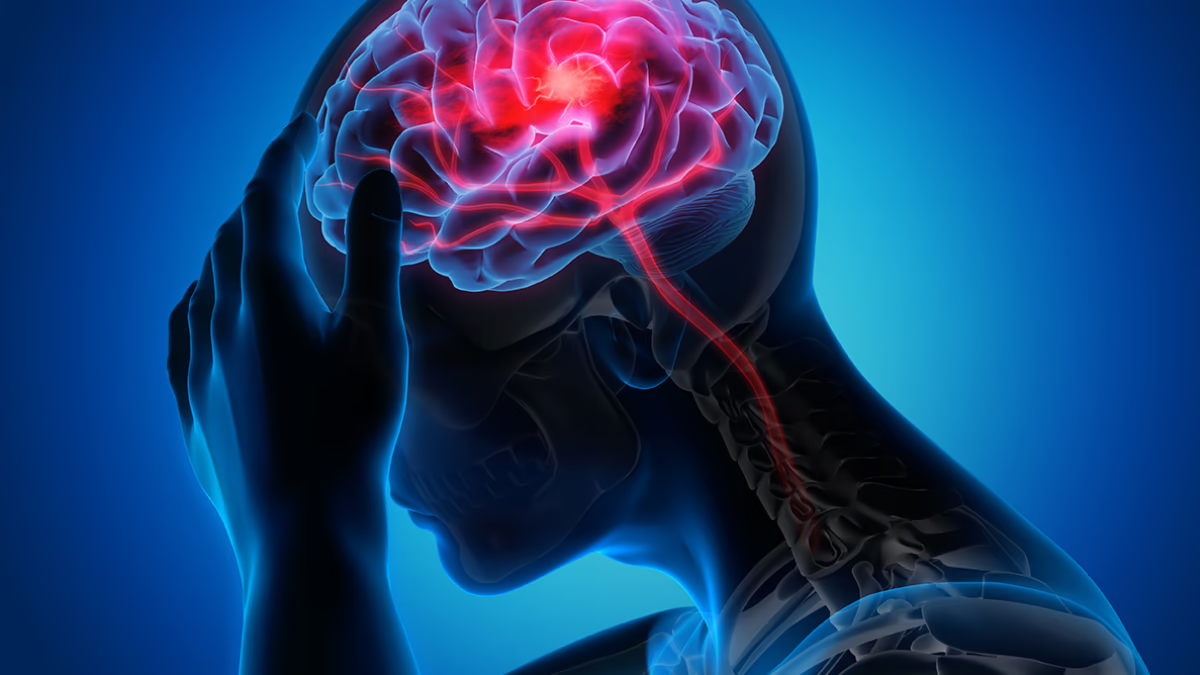
The neuroimaging scans revealed a dramatic neural divergence [1]. In female participants and individuals with obesity, consuming sucralose triggered an immediate surge in cerebral blood flow to the hypothalamus, the brain’s primary command center governing appetite, caloric intake, and metabolic homeostasis [1]. Furthermore, neural activity intensified within the orbitofrontal cortex and ventral striatum, regions that encode food reward, sensory palatability, and dietary motivation [1].
When the tongue encounters intense chemical sweetness, taste receptor cells (T1R2 and T1R3 heterodimers) transmit rapid sensory signals via cranial nerves to the brain, expecting an imminent delivery of glucose calories to fuel cellular respiration [1] [5]. But when sucralose delivers zero actual energy, the hypothalamus registers a severe caloric-sensory mismatch [1] [5]. The brain concludes that food was promised but never delivered, responding by upregulating appetite signals and triggering intense compensatory cravings for energy-dense carbohydrates over subsequent hours [1].
Gut Microbiome Dysbiosis and Induced Glucose Intolerance
Beyond neural signaling, non-caloric sweeteners exert direct physiological toxicity on the trillions of microorganisms residing inside the human gastrointestinal tract [2] [4]. Such chronic intestinal disturbances reflect wider clinical concerns, including rising bowel cancer rates among young adults linked to modern ultra-processed diets.
Unlike simple sugars, which are almost entirely absorbed in the upper small intestine, artificial sweeteners such as sucralose and saccharin resist human enzymatic degradation [2]. Over 85 to 90 percent of ingested sucralose passes unabsorbed through the small intestine, arriving intact in the colon where it directly bathes the delicate gut microbiome [2] [4].
In a groundbreaking series of experiments published in Nature and Cell by researchers at the Weizmann Institute of Science, human and rodent subjects consuming common artificial sweeteners developed profound gut dysbiosis [2] [4]. The chemical compounds significantly depleted beneficial anaerobic bacterial phyla, particularly Bacteroidetes and butyrate-producing short-chain fatty acid (SCFA) synthesizers, while stimulating the expansion of pro-inflammatory bacterial strains [2].
This microbial disruption directly degraded the colonic epithelial mucosal lining, permitting bacterial lipopolysaccharides (LPS) to enter systemic circulation [2] [4]. The resulting low-grade metabolic inflammation impaired hepatic and peripheral insulin receptor sensitivity, generating clinical glucose intolerance, elevating post-meal blood sugar levels significantly higher than in subjects consuming natural table sugar [2] [4]. Fecal microbiome transfer from sweetener-consuming human donors into germ-free mice transferred this glucose intolerance, proving definitively that gut bacteria mediate sweetener-induced metabolic derangements [2].
Physiological Comparison: Natural Sugars vs Artificial Sweeteners
| Metabolic Parameter | Natural Sugar (Sucrose / Glucose) | Artificial Sweetener (Sucralose / Aspartame) | Physiological Consequence |
|---|---|---|---|
| Caloric Yield | 4 calories per gram; provides cellular ATP | 0 calories per gram; zero metabolic energy | Brain registers caloric-sensory deficit when sweet taste delivers zero energy |
| Satiety Hormone Response | Triggers strong release of GLP-1 and PYY | Fails to stimulate GLP-1 or PYY secretion | Absence of gut satiety peptides leaves neurobiological hunger unchecked |
| Hypothalamic Activation | Satiated and downregulated post-consumption | Hyper-activated with increased regional blood flow | Drives delayed compensatory binge eating and intense sugar cravings |
| Gut Microbiome Impact | Absorbed in small intestine; minimal colonic impact | Reaches colon intact; alters microbial species | Suppresses Bacteroidetes and triggers clinical glucose intolerance |
| Long-Term Weight Control | Excess causes weight gain via caloric load | No long-term weight reduction; increases diabetes risk | WHO recommends against non-sugar sweeteners for body fat reduction |
Satiety Hormones: Natural Sugars vs Artificial Sweeteners
When natural caloric sugars enter the gastrointestinal lumen, enteroendocrine L-cells in the ileum and colon secrete potent satiety peptides, chief among them Glucagon-Like Peptide-1 (GLP-1) and Peptide YY (PYY) [1]. These hormones travel via the bloodstream to bind hypothalamic receptors, physically slowing gastric emptying and signaling to the central nervous system that sufficient nourishment has been acquired [1].
Artificial sweeteners completely fail to elicit this hormonal cascade [1]. Because sucralose and aspartame lack metabolic fuel properties, enteroendocrine cells do not trigger GLP-1 secretion [1]. Consequently, an individual consuming a large zero-calorie beverage experiences identical physiological gut empty states as drinking plain water, while their brain continues to demand the glucose it was chemically promised by tongue sweet receptors [1] [5].
The WHO Guideline: Why Non-Sugar Sweeteners Fail Long Term
Faced with overwhelming clinical and epidemiological data, the World Health Organization (WHO) released formal global dietary guidelines officially recommending against the use of non-sugar sweeteners (NSS) for weight control or reducing the risk of noncommunicable diseases [3].
The WHO systematic review synthesized hundreds of randomized controlled trials and prospective cohort studies encompassing millions of patient-years [3]. The findings revealed that while artificial sweeteners may yield marginal, transient weight reductions in tightly controlled short-term laboratory feeding trials, real-world long-term usage provides zero meaningful reduction in body fat in adults or children [3]. More concerningly, long-term consumers experienced a 23 to 32 percent higher relative risk of developing type-2 diabetes, a 19 percent higher risk of cardiovascular events, and elevated premature mortality [3].
Practical Solutions: Resetting the Sweetness Threshold
The scientific consensus indicates that swapping refined white sugar for industrial synthetic chemicals does not resolve metabolic dysfunction [1] [3]. The only durable clinical solution is to systematically reset the palate’s sweetness threshold [3] [5]:
1. Phase Out Diet Beverages: Replace diet sodas and artificially sweetened beverages with sparkling water infused with fresh citrus slices (lemon, lime, grapefruit), unsweetened iced herbal teas, or traditional chilled water [1] [3].
2. Rely on Whole Food Sweetness: When satisfying sweet cravings, choose whole fruits like berries, apples, pears, and dates. Whole fruits contain intact pectin and cellulose fibers that slow fructose absorption, preventing insulin spikes while delivering essential antioxidants [2] [3].
3. Scrutinize Processed Food Labels: Artificial sweeteners are heavily concealed in commercial “healthy” products, including vanilla protein powders, low-carb keto snack bars, flavored Greek yogurts, and oral care products [1]. Scrutinize ingredient panels for sucralose, aspartame, acesulfame-K, and saccharin [3].
4. Embrace Sensory Recalibration: Within two to three weeks of eliminating synthetic sweeteners, taste buds undergo neurochemical adaptation [5]. Foods with subtle natural sweetness, such as roasted carrots, sweet potatoes, coconut, and whole milk, begin tasting intensely rich and satisfying without needing chemical enhancements [3] [5].
Frequently Asked Questions
Primary Sources and References
Non-caloric sweetener effects on brain appetite regulation in individuals across varying body weights
- Journal
- Nature Metabolism
- Study Type
- Randomized Clinical Trial
- Year
- 2025
DOI10.1038/s42255-025-01227-8
Frequently Asked Questions
Common reader questions about this study
Why do artificial sweeteners trigger hunger and food cravings?
When taste buds detect intense sweetness, the brain anticipates a corresponding delivery of glucose and calories. Because non-caloric sweeteners deliver zero energy, the brain's hypothalamic hunger and reward centers remain unsatisfied. This sensory-caloric mismatch stimulates ghrelin release and increases cravings for calorie-dense carbohydrates.
Do diet sodas genuinely cause weight gain over time?
Yes, in long-term observational and clinical trials. While zero-calorie drinks temporarily save calories, compensatory hunger, neurochemical craving stimulation, and microbiome-mediated glucose intolerance often lead to higher overall caloric intake and gradual abdominal fat accumulation.
How do artificial sweeteners alter the human gut microbiome?
Chemical sweeteners like sucralose and saccharin pass largely unabsorbed into the large intestine. There, they alter microbial population structures, diminishing protective commensal species such as Bacteroidetes and boosting pro-inflammatory bacteria that impair intestinal barrier function and insulin sensitivity.
Is natural stevia or monk fruit healthier than artificial sucralose?
Plant-derived sweeteners like stevia and monk fruit avoid synthetic halogenated chemicals and exhibit fewer cytotoxic effects on gut flora. However, they can still perpetuate neural cravings for intense sweetness. Moderation remains essential.
What is the most effective way to manage sugar cravings naturally?
Rather than swapping sugar for chemical substitutes, the most sustainable clinical strategy is to gradually recalibrate your sweetness sensory threshold. Emphasize fiber-rich whole fruits, dates, unsweetened sparkling water, and balanced whole meals containing healthy fats and protein to stabilize blood glucose.
References
- ↩ Yunker, A. G., Alves, J. M., Luo, S., et al. (2025). Non-caloric sweetener effects on brain appetite regulation in individuals across varying body weights. Nature Metabolism, 7(3), 345-358.
- ↩ Suez, J., Korem, T., Zeevi, D., et al. (2014). Artificial sweeteners induce glucose intolerance by altering the gut microbiota. Nature, 514(7521), 181-186.
- ↩ World Health Organization. (2023). Use of non-sugar sweeteners: WHO guideline. Geneva: World Health Organization, Guidelines, 1-90.
- ↩ Suez, J., Cohen, Y., Valdés-Mas, R., et al. (2022). Personalized microbiome-driven effects of non-nutritive sweeteners on human glucose tolerance. Cell, 185(18), 3307-3328.
- ↩ Swithers, S. E. (2013). Artificial sweeteners produce the counterintuitive effect of inducing metabolic derangements. Trends in Endocrinology & Metabolism, 24(9), 431-441.

No comments yet. Be the first to join the conversation.