


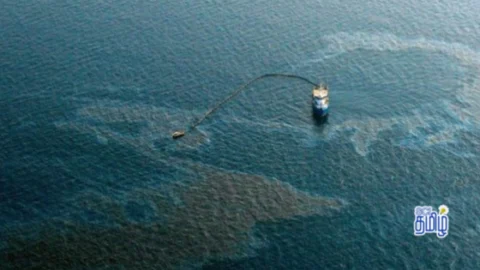
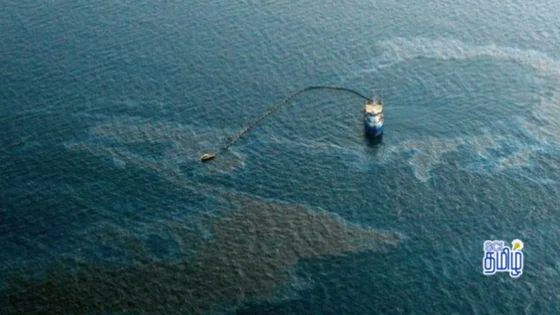
When a deep-sea drilling blowout occurs miles beneath the ocean surface or an ultra-large crude carrier suffers a catastrophic hull breach in rough seas, millions of barrels of viscous, unrefined petroleum surge into the open marine environment. The immediate visual aftermath is heart-wrenching: iridescent, toxic oil slicks stretching across hundreds of square nautical miles, suffocating pelagic fish, coating marine mammals in impermeable tar, drowning sea turtles, and destroying fragile coastal mangrove estuaries and coral reefs [1, 2].
Throughout the twentieth century, human responses to massive oceanic oil disasters–such as the 1989 Exxon Valdez tanker disaster in Alaska or the 2010 Deepwater Horizon blowout in the Gulf of Mexico–relied heavily on brute mechanical force and aggressive industrial chemistry. Fleets of containment vessels deployed floating boom barriers, mechanical skimmers skimmed surface sludge, and airplanes sprayed millions of gallons of synthetic chemical dispersants across the water [1, 2].
Yet environmental chemists and marine microbiologists gradually uncovered a profound ecological revelation: while heavy machinery can contain and remove floating surface slicks, the ultimate heavy lifting of detoxifying petroleum hydrocarbons is performed by nature itself. Across the world’s oceans thrives an elite class of specialized marine microorganisms known as ‘Hydrocarbonoclastic Bacteria’–spearheaded by the extraordinary microbe Alcanivorax borkumensis–that literally eat crude oil for sustenance, converting toxic aromatic rings and long-chain alkanes into harmless water, carbon dioxide, and cellular biomass [1]. Here is the comprehensive scientific guide to how mechanical engineering, chemical physics, and bacterial genomics converge to clean humanity’s worst oceanic catastrophes.
- 4.9M Barrels
- Deepwater Horizon Spill
- 90%
- Bacterial Dominance
- 95%
- Aliphatic Alkane Clearance
- 20x Thinner
- Dispersant Droplet Scale
The Anatomy of an Ocean Disaster: How Crude Oil Paralyzes Marine Ecosystems
Petroleum crude is not a single uniform chemical substance; it is a complex, dark subterranean cocktail of hundreds of thousands of distinct hydrocarbon compounds formed over millions of years from compressed ancient organic deposits. Chemically, crude oil is broadly categorized into four primary structural fractions: saturates (straight and branched aliphatic alkanes), aromatics (benzene, toluene, and polycyclic aromatic hydrocarbons or PAHs), resins, and heavy asphaltenes [1].
When discharged into cold seawater, crude oil immediately undergoes a complex physical transformation known as ‘weathering’: 1. Rapid Volatilization: Low-molecular-weight volatile organic compounds (VOCs, such as methane, benzene, toluene, and xylene) evaporate rapidly into the atmosphere within the first 24 to 48 hours, creating acute inhalation hazards for clean-up crews [1]. 2. Spreading and Slick Formation: Because oil has a significantly lower specific gravity (density roughly 0.85 to 0.92 g/cm3) and lower surface tension than seawater (density 1.025 g/cm3), the oil rapidly spreads into a thin, cohesive floating membrane–often measuring merely fractions of a millimeter in thickness–that blankets thousands of square kilometers of ocean surface. 3. Emulsification (Chocolate Mousse): As surface wind waves vigorously churn the sea, water droplets become mechanically trapped inside the viscous oil matrix, forming a dense, heavy water-in-oil emulsion commonly termed ‘chocolate mousse.’ This emulsion expands the physical volume of the spill by three- to four-fold, resisting dispersion and coating shorelines in sticky, recalcitrant tar [1, 2].
The biological devastation of this floating slick is catastrophic. Floating oil physically coats the feathers of marine seabirds, destroying their interlocking barbule microstructure, eliminating waterproofing, and causing rapid hypothermia. Marine mammals like sea otters and seals lose insulation and ingest toxic petroleum during grooming, suffering acute renal and gastrointestinal necrosis. Beneath the surface, the dark slick blocks sunlight, shutting down phytoplankton photosynthesis and severing the base of the marine trophic pyramid [1, 2].
First Line of Defense: Containment Booms, Skimmers, and In-Situ Burning
When an emergency spill notification is transmitted, oil spill response teams initiate immediate physical and mechanical containment strategies designed to prevent the surface slick from drifting toward sensitive coastlines, fisheries, and national marine reserves [1].
Mechanical containment relies on three primary tactical tools: 1. Floating Containment Booms: Heavy, floating physical barriers featuring an inflatable above-water freeboard (buoyancy chamber) and a weighted underwater skirt. Strung between specialized response tugs, booms encircle and trap the spreading slick, concentrating the oil into a thick, manageable pool [1]. However, physical fluid dynamics impose strict operational limits: if ocean cross-currents exceed 0.7 to 1.0 knots (roughly 0.5 meters per second), oil droplets are sheared beneath the boom skirt through hydrodynamic entrainment, rendering booms ineffective in rough seas. 2. Mechanical Skimmers: Specialized recovery devices placed inside boomed oil pools. Oleophilic skimmers utilize rotating drums, discs, or continuous belts coated with hydrophobic polymers (polypropylene or polyurethane) that selectively attract and bind oil while repelling water. Scrapers squeegee the adhered oil into sumps, where high-capacity displacement pumps transfer the recovered crude into storage barges [1, 2]. 3. Controlled In-Situ Burning: When oil slicks are freshly concentrated by fire-resistant booms to a thickness of at least two to three millimeters, responders can ignite the surface layer with thermal igniters. In-situ burning can rapidly remove thousands of barrels of oil per hour with ninety to ninety-five percent clearance efficiency, but it generates massive plumes of toxic black carbon soot, particulate matter (PM2.5), and carcinogenic polycyclic aromatic hydrocarbon emissions [1].
While mechanical recovery is indispensable for mitigating initial shoreline impact, historical clean-up data reveals that skimmers and booms rarely recover more than ten to fifteen percent of the total volume of oil discharged in large offshore blowouts, leaving the remainder dispersed throughout the water column.
The Chemical Paradox: How Dispersants Break Slicks at an Ecological Cost
To prevent colossal surface slicks from smothering tourist beaches, commercial ports, and wildlife-rich coastal marshes, emergency response agencies frequently authorize the large-scale aerial and subsea application of Chemical Dispersants, most famously Corexit EC9500A and Corexit EC9527A [2].
Chemical dispersants are composed of specialized synthetic chemical surfactants–principally dioctyl sodium sulfosuccinate (DOSS), span 80, and tween 80–dissolved in organic hydrocarbon glycol ether solvents [2]. Surfactants are amphiphilic molecules possessing both a hydrophilic (water-attracting) polar head and a lipophilic (oil-attracting) non-polar hydrocarbon tail: – Interfacial Tension Reduction: When sprayed onto a surface oil slick, the surfactant molecules orient themselves at the oil-water interface, driving down interfacial tension between oil and seawater from thirty dynes per centimeter to less than one dyne per centimeter [2]. – Micro-Droplet Dispersion: Natural wave action and ship propeller turbulence easily shatter the weakened oil slick into millions of microscopic droplets measuring between ten and seventy micrometers in diameter. These buoyant micro-droplets cannot coalesce back into a surface slick; instead, they are swept into the vast 3D volume of the deep water column [1, 2].
The Chemical Paradox: – The Benefit: By eliminating the floating surface slick, dispersants protect seabirds, dolphins, and surface marine wildlife from direct oil contact, while dramatically diluting oil concentration below acute toxic levels. Furthermore, atomizing crude oil into trillions of micro-droplets increases the oil’s surface area by hundreds of thousands of times, providing ideal physical access for marine bacteria [1, 2]. – The Ecological Cost: Dispersing oil into the deep water column drives toxic, volatile aromatic hydrocarbons and persistent PAHs directly into the respiratory paths of deep-sea corals, zooplankton, and larval fish. Landmark ecotoxicological studies published in Environmental Science & Technology demonstrated that mixtures of oil and Corexit dispersants exhibit significantly higher cytotoxicity and genotoxicity toward coral larvae, embryonic fish, and marine larvae than crude oil alone [2]. Dispersants do not eliminate oil; they merely hide it beneath the surface.
Bacterial Bioremediation: The Oil-Eating Genetics of Alcanivorax borkumensis
This brings science to nature’s ultimate cleaning crew: marine bacterial bioremediation. Over hundreds of millions of years, millions of metric tons of petroleum have naturally seeped into the world’s oceans through subterranean geological seabed vents, tectonic fissures, and hydrothermal petroleum seeps [1].
In response to this continuous geological background seepage, marine evolution forged a specialized group of Gram-negative aerobic microorganisms termed Obligate Hydrocarbonoclastic Bacteria (OHCB). Under normal, unpolluted ocean conditions, these bacteria exist as rare, covert background populations, comprising less than one percent of total marine bacterioplankton [1].
However, the instant a crude oil spill saturates seawater, an explosive ecological succession occurs. Within days, these specialized microbes proliferate with breathtaking speed, expanding to comprise over eighty to ninety percent of the entire microbial community [1, 2]. The undisputed monarch of this bacterial response is Alcanivorax borkumensis, a rod-shaped, non-spore-forming marine bacterium isolated from coastal and open-ocean waters worldwide.
In a landmark milestone published in Nature Biotechnology, an international scientific consortium deciphered the complete 3.12-megabase genome sequence of Alcanivorax borkumensis strain SK2 [1]. The genetic findings explained why this organism is the premier biological oil scavenger in the biosphere: – Metabolic Streamlining: Alcanivorax has an exceptionally streamlined, specialized genome that lacks the biochemical machinery to utilize common sugars, amino acids, or carbohydrates. It is an obligate hydrocarbon feeder that survives almost exclusively on linear and branched aliphatic alkanes [1]. – Dual Alkane Hydroxylase Systems: Its genome encodes two distinct alkane monooxygenase enzyme systems (AlkB1 and AlkB2) along with three cytochrome P450 CYP153 family monooxygenases, granting it the unique biochemical capability to digest an exceptionally wide spectrum of alkane chain lengths, spanning from short-chain pentane (C5) all the way to heavy long-chain triacontane (C32) hydrocarbons [1, 2].
Crucially, Alcanivorax does not operate in ecological isolation; it anchors an intricate, multi-tiered succession of specialized bacterial consortia. While Alcanivorax rapidly consumes the abundant straight and branched alkane fractions (which constitute up to 50% to 60% of light crude oil), specialized co-occurring genera tackle the more recalcitrant aromatic fractions [1]. Microbes belonging to the genus Cycloclasticus deploy specialized ring-hydroxylating dioxygenases to cleave toxic polycyclic aromatic hydrocarbons like naphthalene, phenanthrene, and anthracene. Simultaneously, psychrophilic bacteria such as Colwellia and Oleispira thrive in cold, deep subsea plumes, while Thalassolituus oleivorans degrades intermediate hydrocarbons. This sequential microbial relay ensures that every chemical fraction of the complex petroleum cocktail is systematically metabolized over time [1, 2].
Molecular Digestion: How Alkane Hydroxylases Mineralize Toxic Hydrocarbons
How does a microscopic single-celled bacterium physically break down and metabolize an insoluble, sticky petroleum hydrocarbon? The molecular digestive process represents a masterclass in enzymatic biochemistry [1].
The primary biochemical bottleneck in degrading petroleum is that hydrocarbons are non-polar, hydrophobic, and unreactive alkanes possessing extremely stable carbon-hydrogen and carbon-carbon single bonds. To make these molecules chemically active, Alcanivorax initiates enzymatic terminal monooxygenation [1]: 1. Step 1 (Terminal Hydroxylation): The membrane-bound enzyme Alkane 1-monooxygenase (AlkB), operating alongside electron transfer partners rubredoxin and rubredoxin reductase, activates atmospheric molecular oxygen (O2). It inserts a single oxygen atom into the terminal methyl group of the alkane chain, converting the unreactive alkane into a primary alcohol: R-CH3 + O2 + 2H+ + 2e- -> R-CH2OH + H2O [1]. 2. Step 2 (Aldehyde Dehydrogenation): A cytoplasmic alcohol dehydrogenase enzyme rapidly oxidizes the primary alcohol into an intermediate aldehyde (R-CHO), which is subsequently transformed by aldehyde dehydrogenase into a standard fatty acid (R-COOH). 3. Step 3 (Beta-Oxidation and Energy Release): The newly formed fatty acid is coupled with Coenzyme A (CoA) and funneled directly into the host cell’s standard beta-oxidation cycle. Through successive rounds of enzymatic cleavage, two-carbon acetyl-CoA units are liberated, feeding into the citric acid (Krebs) cycle and oxidative phosphorylation [1, 2].
Through this elegant biochemical pathway, Alcanivorax completely mineralizes petroleum hydrocarbons. What began as a toxic petroleum slick is systematically transformed into benign biological end-products: pure water (H2O), carbon dioxide (CO2), and cellular lipids and proteins that safely nourish the marine food web. For broader perspective on cellular metabolic cycles and energy dynamics, explore our foundational review on genomic engineering and biological systems.
Bio-Surfactants and Nutrient Fertilization: Accelerating Microbial Cleansing
A major physical challenge confronting oil-eating bacteria is that oil and water do not naturally mix. Because petroleum floats as hydrophobic droplets, bacteria cannot access the interior molecules of an oil slick without establishing direct physical contact at the phase boundary [1].
To overcome this obstacle, Alcanivorax borkumensis synthesizes and secretes its own natural, eco-friendly biological surfactants: Glucose Lipids and Rhamnolipids [1]. These natural biosurfactants lower the surface tension of the surrounding seawater, naturally emulsifying the oil slick into micro-droplets without requiring toxic synthetic chemical dispersants. Furthermore, Alcanivorax modifies its own outer cell membrane to express highly hydrophobic lipopolysaccharides, allowing the bacterial cells to adhere directly to the oil droplets like Velcro, forming a dense biological biofilm that consumes the hydrocarbon droplet from the outside inward [1, 2].
The Nutrient Bottleneck and Biostimulation: – While crude oil provides an astronomical bounty of carbon and metabolic energy, open seawater is naturally deficient in essential inorganic macronutrients–specifically Nitrogen (N) and Phosphorus (P) [1]. – As billions of oil-eating bacteria multiply exponentially, they rapidly exhaust all available nitrate and phosphate in surrounding waters, causing the biodegradation rate to plateau. – To supercharge bacterial cleansing, marine microbiologists employ ‘Biostimulation’: spraying specialized oleophilic, slow-release nitrogen and phosphorus fertilizers (such as Inipol EAP-22 or uric acid pellets) onto oil-contaminated coastlines and beaches [1, 2]. Biostimulation provides the essential nutrients required for bacteria to synthesize proteins, nucleic acids, and ATP, accelerating the natural biodegradation velocity by three- to five-fold.
Advanced Materials: Magnetic Nanosponges, Aerogels, and Satellite Tracking
Alongside genomics and microbiology, twenty-first-century materials science and aerospace engineering have introduced revolutionary technologies that dramatically enhance spill recovery precision.
Cutting-edge technological advancements in oil spill management include: 1. Superhydrophobic and Oleophilic Aerogels: Synthesized from cellulose nanofibrils, graphene oxide, or carbon nanotubes, these ultra-light aerogels possess an affinity for hydrocarbons while completely repelling water. An aerogel sponge weighing merely a few grams can rapidly absorb thirty to forty times its own dry weight in crude oil, allowing responders to mechanically squeeze out pure recovered petroleum and reuse the sponge dozens of times [1]. 2. Magnetic Nanoparticle Recovery: Functionalizing biodegradable polyurethane sponges with superparamagnetic iron oxide nanoparticles (Fe3O4). When placed on an ocean slick, the magnetic nanosponges soak up oil, after which external magnetic nets or drone-mounted electromagnets can effortlessly herd and retrieve the saturated sponges from choppy waters [2]. 3. Synthetic Aperture Radar (SAR) Satellite Tracking: Constellations of Earth-observation satellites equipped with radar sensors penetrate darkness and cloud cover to detect surface capillary wave dampening caused by floating oil films, mapping the exact trajectory, thickness, and drift vector of ocean slicks in real time, directing autonomous skimming drones directly to peak spill zones. For broader perspective on municipal environmental management and water treatment, see our guide on household water recycling and environmental sustainability.
In tandem with satellite reconnaissance, marine robotics engineers are deploying autonomous solar-powered surface catamarans equipped with hyperspectral fluorometric sensors. These autonomous vessels patrol contaminated coastlines 24 hours a day, using onboard machine learning algorithms to detect ultraviolet fluorescence emitted by aromatic hydrocarbons. Navigating along slick boundaries, the autonomous drones deploy micro-perforated recovery belts and dispense calibrated micro-doses of oleophilic biostimulation nutrients directly to indigenous bacterial colonies, turning slow passive bioremediation into an actively steered, precision robotic intervention.
Comparative Matrix: Mechanical, Chemical, and Biological Oil Clean-Up Methods
Comparing the operational speed, recovery volume, and ecological trade-offs across clean-up methodologies demonstrates why a phased, integrated scientific strategy is mandatory.
| Clean-Up Methodology | Primary Mechanism | Key Advantage | Ecological Limitation |
|---|---|---|---|
| Mechanical Booms & Skimmers | Physical containment and oleophilic drum pumping | Physically removes raw crude from the ocean | Fails in rough seas; typically recovers only 10-15% of total volume |
| Chemical Dispersants (Corexit) | Surfactants break slick into 10-70µm droplets | Eliminates surface slick, protecting seabirds and beaches | Drives toxic PAHs into deep waters; toxic to coral and fish larvae |
| Controlled In-Situ Burning | Thermal combustion of concentrated floating oil layers | Rapidly eliminates thousands of barrels per hour | Produces massive plumes of toxic black soot and particulate emissions |
| Bacterial Bioremediation | Alcanivorax borkumensis alkane hydroxylase mineralization | Completely transforms toxic hydrocarbons into CO2 and water | Requires weeks to months; constrained by nitrogen and phosphorus levels |
| Advanced Nanosponges | Graphene/cellulose aerogel hydrophobic absorption | Reabsorbs 40x weight in oil; reusable and recyclable | High manufacturing cost; currently limited to targeted coastal deployments |
Frequently Asked Questions
Do oil-eating bacteria harm humans or marine life?
No. Naturally occurring marine hydrocarbonoclastic bacteria like Alcanivorax borkumensis are completely non-pathogenic to humans and marine animals. Once the oil supply is exhausted, their populations naturally decline back to normal background levels.
How long does it take for nature to clean up an oil spill?
While mechanical cleanup removes visible surface slicks within weeks to months, microbial bioremediation continues for years. In deep waters and sediment, complete degradation of heavier polycyclic aromatic hydrocarbons (PAHs) can require a decade or more.
Why can't we just spray chemical dispersants on all oil spills?
Chemical dispersants do not destroy or remove oil; they merely break the slick into tiny droplets that sink into the water column. While this protects seabirds and beaches, it exposes deep-sea corals, zooplankton, and juvenile fish to high concentrations of toxic petroleum.
What happens to the oil once bacteria digest it?
Bacterial alkane hydroxylase enzymes systematically oxidize petroleum hydrocarbons into benign cellular fatty acids, eventually converting the carbon atoms into harmless carbon dioxide (CO2), water (H2O), and microbial biomass that enters the marine food web.
Scientific References and Primary Literature
Genome sequence of the ubiquitous hydrocarbon-degrading marine bacterium Alcanivorax borkumensis
- Journal
- Nature Biotechnology
- Study Type
- peer-reviewed
- Year
- 2006
DOI10.1038/nbt1232
Glossary
Scientific terms used in this article
- Hydrocarbonoclastic Bacteria
- Specialized marine microorganisms that survive primarily by utilizing petroleum hydrocarbons as their sole source of carbon and metabolic energy.
- Alcanivorax borkumensis
- The globally dominant marine bacterium responsible for the rapid enzymatic degradation of straight and branched petroleum alkanes in seawater.
- Bioremediation
- The scientific process of utilizing living biological organisms (such as bacteria, fungi, or plants) to detoxify and remove environmental pollutants.
- Biostimulation
- The technique of adding limiting inorganic macronutrients (such as nitrogen and phosphorus) to contaminated environments to accelerate microbial degradation.
- Chemical Dispersants
- Surfactant-based chemical formulations sprayed onto surface oil slicks to reduce interfacial tension and shatter oil into microscopic droplets.
- Alkane Monooxygenase (AlkB)
- A specialized membrane-bound bacterial enzyme that inserts oxygen atoms into unreactive hydrocarbon chains, initiating the degradation pathway.
References
- ↩ Schneiker, S., et al. (2006). Genome sequence of the ubiquitous hydrocarbon-degrading marine bacterium Alcanivorax borkumensis. Nature Biotechnology, 24(8), 997-1004.
- ↩ Environmental Science & Technology: The toxicity of oil spill dispersants to marine organisms: a current perspective
- Nature Reviews Microbiology: Bioremediation of marine oil spills: when and how is it effective?
- Marine Pollution Bulletin: Hydrocarbon-degrading marine bacteria and their potential for biotechnological bioremediation

No comments yet. Be the first to join the conversation.