



Key Findings
- The body cannot synthesize 9 essential amino acids, requiring consistent daily dietary intake.
- A per-meal leucine threshold of 2.5-3.0 grams is required to activate the mTORC1 muscle protein synthesis pathway.
- Adequate protein intake (1.2-1.6g/kg) is critical to prevent age-related sarcopenic muscle wasting.
- Proteins form 99% of metabolic enzymes and 70% of circulating immune antibodies.
The human body is an astonishing biological machine constructed from trillions of living cells. At the physical foundation of this architecture lies protein. From the tensile collagen fibers that reinforce our skeletal framework to the contractile actin and myosin filaments powering muscular movement, proteins serve as the fundamental building blocks of human life [1]. Beyond mere structural scaffolding, every biochemical reaction sustaining our metabolism is catalyzed by protein enzymes, orchestrated by peptide hormones, and defended by immunoglobulin antibodies. Without an adequate daily intake of dietary protein, cellular turnover grinds to a halt, leading to progressive tissue wasting and systemic metabolic failure [2].
Unlike dietary fats and carbohydrates, which the body can store in adipose tissue or hepatic glycogen reserves for months or days of famine, the human body maintains zero active storage reservoirs for surplus protein. Every single gram of amino acid in the bloodstream is actively circulating or integrated into functioning physiological tissues [3]. Consequently, consistent daily replenishment through bioavailable dietary sources is not a fitness luxury, but an absolute biological imperative for cellular repair, immune competence, and healthy longevity.
- Essential Amino Acids Body Cannot Synthesize
- Daily Protein Needed per Kilogram of Bodyweight
- Leucine Threshold to Trigger Muscle Synthesis
- Immune Antibodies Composed of Protein
Amino Acids: The Biochemical Alphabet of Protein Synthesis
Proteins are complex macromolecules composed of linear polymers assembled from 20 distinct amino acids linked by covalent peptide bonds. Of these 20 amino acids, the liver can autonomously synthesize 11 through transamination, these are classified as non-essential amino acids. However, the remaining nine amino acids cannot be manufactured de novo due to the absence of specific enzymatic pathways. These nine must be obtained directly from the diet and are designated as Essential Amino Acids (EAAs) [1].
The nine essential amino acids are histidine, isoleucine, leucine, lysine, methionine, phenylalanine, threonine, tryptophan, and valine. If even a single essential amino acid is absent in the circulating pool, ribosomal translation of new protein structures stalls completely. This biological principle, known as Liebig’s Law of the Minimum, dictates that protein synthesis is limited not by the total quantity of protein consumed, but by the availability of the scarcest essential amino acid in the diet [2].
Complete vs Incomplete Protein Sources: Quality and Bioavailability
Dietary protein sources vary substantially in their amino acid completeness, digestible anabolic potential, and biological value:
| Classification | Amino Acid Profile & Digestibility Score | Prominent Whole Food Examples |
|---|---|---|
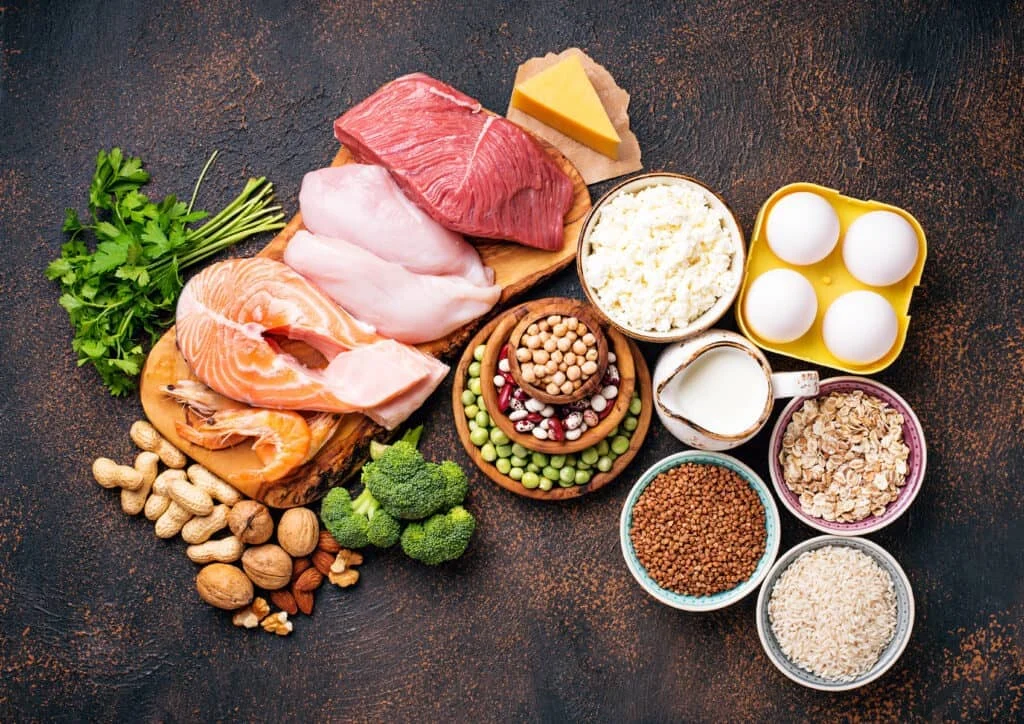
| Complete Proteins (High Biological Value) | Contains all 9 essential amino acids in optimal physiological ratios; DIAAS score > 1.0. | Pasture-raised eggs, Greek yogurt, paneer, wild fish, poultry, organic soybeans, edamame, quinoa. |
| Incomplete Plant Proteins | Typically low in one or two essential amino acids (e.g. grains lack lysine; legumes lack methionine). | Lentils, chickpeas, black beans, peanuts, almonds, chia seeds, brown rice, whole oats. |
| Complementary Protein Pairings | Combining two incomplete proteins to provide a complete, balanced amino acid spectrum. | Rice and dal (Khichdi), whole wheat roti with chickpea curry, hummus with whole grain pita. |
Modern nutritional science assesses protein quality using the Digestible Indispensable Amino Acid Score (DIAAS), which measures the ileal digestibility of individual amino acids rather than total fecal nitrogen. While animal proteins consistently score above 1.0 (indicating complete digestibility), raw legumes and grains often contain antinutritional compounds such as phytic acid, tannins, and trypsin inhibitors that bind digestive enzymes. Fortunately, traditional culinary practices, such as overnight soaking, sprouting, pressure cooking, and fermentation (as seen in traditional idli and dosa batters), deactivate these antinutritional factors, raising the DIAAS bioavailability of plant proteins to rival animal sources [4].
Muscle Protein Synthesis: The Leucine Trigger and mTOR Signaling
Skeletal muscle tissue exists in a continuous dynamic equilibrium between Muscle Protein Breakdown (MPB) and Muscle Protein Synthesis (MPS). To maintain muscle mass or stimulate hypertrophy, synthesis rates must exceed breakdown over a 24-hour cycle [2]. Modern molecular physiology reveals that muscle protein synthesis is regulated primarily through the mechanistic Target of Rapamycin Complex 1 (mTORC1) pathway.
The branched-chain amino acid (BCAA) leucine acts as the primary biochemical trigger that flips the mTORC1 switch into an active state. Clinical trials show that an individual must ingest approximately 2.5 to 3.0 grams of leucine in a single meal to surpass the “leucine trigger” threshold required to initiate maximal muscle protein synthesis [1]. Consuming smaller, sub-threshold protein amounts throughout the day fails to trigger this intracellular cascade, leaving the body in a net catabolic state.
Furthermore, molecular research reveals that muscle protein synthesis exhibits a distinct “muscle full” refractory period. Following a protein-rich meal that successfully triggers mTORC1, intracellular protein synthesis rates surge for roughly 90 to 120 minutes before returning to basal levels, even if circulating plasma amino acid concentrations remain elevated [2]. Consuming continuous protein snacks every hour does not sustain elevated synthesis; rather, spacing protein-rich meals three to five hours apart allows intracellular signaling pathways to reset, maximizing total daily muscle protein synthesis cycles.
Preventing Sarcopenia: Muscle Loss, Aging, and Functional Independence
Starting around the fourth decade of life, the human body loses between 3% and 8% of its skeletal muscle mass per decade, an age-related condition known clinically as sarcopenia. Sarcopenia is accompanied by anabolic resistance, meaning aging muscle cells become progressively less sensitive to amino acid stimulation and require higher per-meal protein doses to stimulate muscle protein synthesis [1].
Sarcopenia is not merely a cosmetic concern; it is directly correlated with increased frailty, loss of metabolic flexibility, insulin resistance, fall injuries, and premature mortality in older adults. Maintaining a robust dietary protein intake (1.2 to 1.5 grams per kilogram of body weight) combined with progressive resistance exercise effectively halts and reverses sarcopenic decline, preserving mobility, metabolic health, and cognitive independence well into advanced age [4].
Enzymatic, Hormonal, and Immunological Functions of Protein
While muscle tissue commands the bulk of athletic attention, protein’s vital systemic roles extend across every organ system:
1. Enzymatic Catalysis: Over 99% of biochemical enzymes in the human body are functional protein structures. Digestive enzymes like amylase, lipase, and pepsin break down nutrients, while metabolic enzymes like ATP synthase generate cellular energy within mitochondria.
2. Hormonal Communication: Peptide hormones, including insulin, glucagon, growth hormone, and thyroid-stimulating hormone, are manufactured from amino acid chains, coordinating glucose metabolism, tissue growth, and metabolic rates.
3. Immunological Defense: Circulating antibodies (immunoglobulins like IgG and IgA) are specialized Y-shaped proteins designed to recognize and neutralize invading bacterial antigens and viral particles. Severe protein malnutrition directly induces immunodeficiency, crippling leukocyte proliferation [3].
Determining Your Daily Protein Intake: Beyond Baseline Minimums
The conventional Recommended Dietary Allowance (RDA) for protein is 0.8 grams per kilogram of body weight per day (roughly 56 grams daily for a 70 kg sedentary adult). However, nutritional epidemiologists emphasize that the RDA represents the absolute minimum intake required to prevent clinical deficiency and muscle wasting, not the optimal intake required for thriving metabolic health [4].
For active adults, athletes, and older individuals, clinical evidence supports an optimal intake ranging between 1.2 and 1.6 grams per kilogram of body weight daily. For example, an active 65-kilogram individual thrives on approximately 80 to 100 grams of high-quality protein per day, evenly distributed across three to four meals containing at least 25 to 30 grams per serving to reliably achieve the leucine trigger.
The Thermic Effect of Food: Metabolic Advantage and Satiety Hormones
Beyond its cellular building functions, dietary protein exerts a unique regulatory influence on human energy balance and metabolic rate. Every macronutrient requires energy to digest, absorb, and metabolically process, a physiological cost known as the Thermic Effect of Food (TEF). While dietary fats require only 0% to 3% of their caloric value for digestion, and carbohydrates consume roughly 5% to 10%, dietary protein demands an astonishing 20% to 30% of its total caloric content simply to break peptide bonds and synthesize urea [3].
Furthermore, protein ingestion triggers potent neuroendocrine satiety signals within the gastrointestinal tract. Intraluminal amino acids stimulate enteroendocrine L-cells to release peptide YY (PYY) and glucagon-like peptide-1 (GLP-1) into the circulation, while simultaneously suppressing the hunger hormone ghrelin produced by the gastric fundus [1]. This biochemical cascade acts directly upon the hypothalamus to prolong feelings of fullness, curbing unnecessary calorie grazing and stabilizing blood glucose fluctuations across the day.
Nitrogen Balance and Whole-Body Protein Turnover Dynamics
Because nitrogen is a unique chemical constituent of amino acid amine groups (distinguishing protein from pure carbon-hydrogen-oxygen chains in fats and carbs), physiological protein status is quantified through nitrogen balance studies. In healthy equilibrium, dietary nitrogen intake precisely equals nitrogen excretion via urinary urea, fecal matter, and sweat [2].
A positive nitrogen balance signifies that the body is retaining amino acids to synthesize new tissues, a state essential during childhood growth, pregnancy, and muscular hypertrophy following athletic resistance training. Conversely, a negative nitrogen balance indicates that whole-body protein breakdown exceeds synthesis, leading to the mobilization of skeletal muscle to maintain vital liver and cardiac functions. Tracking biomarkers such as blood urea nitrogen (BUN) and serum albumin ensures that individuals maintain an anabolic buffer during caloric deficits or periods of illness.
To explore how targeted nutrition supports overall wellness, read our clinical guide on immune system nutrition and antibodies, discover how micronutrients prevent chronic illness in essential vitamins and deficiency syndromes, and review the benefits of daily activity in our analysis of post-meal walking and metabolic health.
Frequently Asked Questions
Does eating high protein damage healthy kidneys?
No. Extensive clinical research confirms that high protein intakes (up to 2.2g per kg) do not cause kidney dysfunction or impair renal filtration in healthy individuals. However, those with pre-existing chronic kidney disease must consult their nephrologist.
Can vegetarians get enough protein without meat?
Yes. By combining diverse plant sources, such as lentils, chickpeas, soybeans, paneer, Greek yogurt, seeds, and nuts, vegetarians can effortlessly achieve complete, optimal amino acid profiles.
Are protein powders necessary for everyday health?
No. Whole foods should always be your primary foundation. Protein powders like whey or pea protein isolate are simply convenient supplements when meeting daily protein targets through whole foods alone is challenging.
What happens to excess protein consumed in a single meal?
Contrary to the myth that the body can only absorb 30 grams at a time, the gut absorbs nearly all digested protein. Excess amino acids beyond immediate muscle synthesis are utilized for gut lining turnover, enzymatic production, or converted into energy.
Sources and Academic References
Role of Dietary Protein in the Sarcopenia of Aging
- Journal
- The American Journal of Clinical Nutrition
- Study Type
- Review Article
- Year
- 2008
DOI10.1093/ajcn/87.5.1562S
Dietary Protein and Muscle Mass: Translating Science to Application
- Journal
- Nutrients
- Study Type
- Journal Article
- Year
- 2018
DOI10.3390/nu10040412
Dietary Protein and Human Health: An In-Depth Nutritional Review
- Journal
- Food & Function
- Study Type
- Journal Article
- Year
- 2016
DOI10.1039/c5fo01530h
Protein Requirements Beyond the RDA: Implications for Optimizing Muscle Mass
- Journal
- Applied Physiology, Nutrition, and Metabolism
- Study Type
- Review Article
- Year
- 2016
DOI10.1139/apnm-2015-0550
No comments yet. Be the first to join the conversation.