


Key Findings
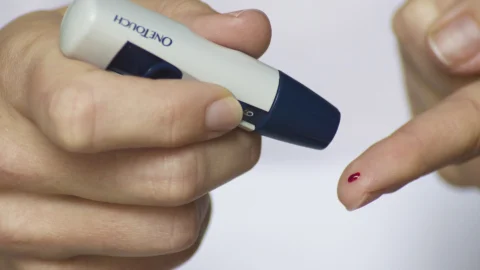
- Over 57% of Indian women suffer from anemia; measuring Serum Ferritin is essential to detect hidden iron store depletion before hemoglobin drops.
- Perimenopause begins in the mid-to-late 30s as progesterone drops, causing estrogen dominance, sleep disruption, and metabolic slowing.
- Annual co-testing (Pap smear + HPV DNA) and thyroid panels detect cervical dysplasia and subclinical hypothyroidism years before severe symptoms arise.
In South Asian society, a woman’s mid-thirties are frequently an intense, demanding balancing act. Between managing demanding professional careers, nurturing growing children, caring for elderly parents, and steering household responsibilities, a woman’s own health is almost universally pushed to the bottom of the priority list [1]. Minor symptoms—persistent morning exhaustion, unexplained hair shedding, stiff knees when climbing stairs, sudden afternoon brain fog, or unusually heavy menstrual cycles—are routinely dismissed with a sigh: “It is just stress, lack of sleep, or getting older” [1] [3].
However, modern clinical endocrinology and gynecology reveal a very different reality: the milestone of age 35 marks the commencement of subtle yet profound physiological transitions within the female body [1] [4]. Ovarian follicle reserves begin their gradual decline, luteal progesterone production tapers, thyroid hormone synthesis frequently slows, and bone resorption quietly outpaces bone deposition [3] [4]. According to India’s National Family Health Survey (NFHS-5), an astonishing 57.2% of Indian women suffer from chronic anemia, while one in eight women over 35 develops thyroid dysfunction [1] [4]. Transitioning from reactive sick-care to proactive medical screening is not an indulgence—it is a vital scientific investment that ensures vitality, cognitive sharpness, and disease prevention for decades to come [1] [3]. Let us examine the cellular biology of aging in women and explore the six essential medical tests every woman over 35 must prioritize [1] [4].
- 57.2%
- Indian Women with Anemia National Family Health Survey (NFHS-5) official epidemiological baseline
- 1 in 8
- Thyroid Prevalence After 35 Proportion of women developing subclinical or clinical hypothyroidism
- 1% to 2%
- Annual Bone Density Loss Rate of trabecular bone loss beginning in late 30s as estrogen levels fluctuate
- 6 Tests
- Annual Clinical Battery Essential preventative screenings recommended by gynecological associations
The Hormonal Revolution After 35: Understanding the Perimenopausal Shift
Many women assume that reproductive hormone changes occur suddenly at age 50 when menstruation ceases [1]. In biological reality, menopause is merely the final destination of a decade-long endocrine journey known as perimenopause [3] [4]. Around age 35, the number and genetic quality of ovarian primordial follicles drop below a critical threshold, leading to shorter luteal phases and diminished progesterone synthesis [4].
Because progesterone acts as nature’s calming neurotransmitter regulator—stimulating GABA receptors in the central nervous system—a drop in progesterone leaves estrogen unopposed [4]. This relative ‘estrogen dominance’ causes a constellation of frustrating physical symptoms: increased premenstrual water retention, breast tenderness, uncharacteristic irritability, and heightened night-waking [3] [4]. As the pituitary gland works harder to stimulate aging ovaries, erratic spikes in follicle-stimulating hormone (FSH) trigger the first signs of vasomotor instability, including transient hot flushes and daytime mental fatigue [3].
Ovarian follicle numbers decline, reducing post-ovulatory progesterone and creating relative estrogen dominance, which often causes breast tenderness and mood swings.
The brain’s pituitary gland secretes excess FSH to stimulate aging follicles, causing wild surges and drops in estrogen that trigger sleep fragmentation and brain fog.
Diminishing estrogen impairs cellular GLUT4 glucose uptake, slowing resting basal metabolic rate and predisposing women to abdominal fat gain and elevated HbA1c.
Reduced estrogen removes the natural brake on osteoclasts (bone-resorbing cells), causing bone resorption to outpace bone creation and driving silent osteopenia.
The Hidden Anemia Epidemic: Why Hemoglobin Alone Is Not Enough
When an Indian woman visits a clinical laboratory complaining of overwhelming fatigue, the standard procedure is running a basic Complete Blood Count (CBC) to check her hemoglobin [1]. If her hemoglobin returns at 12.1 g/dL—just above the clinical 12.0 cutoff—she is often reassured that she is not anemic [1] [5]. Yet she continues to struggle through every workday with heavy limbs and shortness of breath [1].
This widespread diagnostic oversight occurs because hemoglobin represents only the iron currently circulating inside mature red blood cells [5]. It tells doctors nothing about the body’s underground warehouse: Serum Ferritin [5]. Ferritin is the specialized intracellular protein that stores iron inside the liver, spleen, and bone marrow [5]. When dietary iron is low or menstrual blood loss is heavy, the body quietly drains its ferritin savings to keep blood hemoglobin levels artificially stable [5].
A woman can have an outwardly normal hemoglobin of 12.2 g/dL while her ferritin has collapsed to a dangerous 8 ng/mL (optimal range is 30 to 150 ng/mL) [5]. Because iron is an indispensable cofactor for cytochrome c oxidase—the enzyme driving mitochondrial ATP production—depleted ferritin starves brain and muscle cells of energy, causing chronic fatigue, hair shedding (telogen effluvium), restless leg syndrome, and brittle nails [3] [5]. Every woman over 35 must insist on testing Serum Ferritin alongside her CBC [1] [5]. This micronutrient vigilance mirrors insights detailed in our clinical guide on essential vitamins and clinical deficiency syndromes.
| Feature | Standard Hemoglobin (CBC Routine Test) | Clinical Gold StandardSerum Ferritin (Deep Iron Storage Pool) |
|---|---|---|
| Biological Parameter Measured | Only measures iron currently actively bound in circulating red blood cells | Measures the total reserve of iron stored inside liver and bone marrow tissues |
| Detection of Early Iron Deficiency | Misses early deficiency entirely; only flags when reserves are already empty | Detects latent iron deficiency months before anemia appears in the blood |
| Response to Chronic Inflammation | Generally stable during minor localized inflammation | Can act as an acute-phase reactant; must be interpreted alongside CRP |
| Sensitivity for Chronic Fatigue | Poor; many severely fatigued women display ‘normal’ 12.0 g/dL hemoglobin | Outstanding; ferritin under 30 ng/mL strongly correlates with cellular fatigue |
| Clinical Value for Heavy Menstrual Bleeding | Shows acute blood loss only after significant volume depletion | Immediately tracks steady progressive depletion of bodily iron reserves |
Sources: World Health Organization (WHO Anemia Guidelines); The Lancet Global Health.
Thyroid Dysfunction: The Silent Brake on Female Metabolism
Located in the base of the neck, the butterfly-shaped thyroid gland is the master throttle of human cellular metabolism [4]. Thyroid hormones (T3 and T4) govern how rapidly cells convert nutrients into energy, maintain body temperature, and synthesize proteins [4]. After age 35, the female immune system is particularly vulnerable to autoimmune thyroiditis (Hashimoto’s disease), where antibodies mistakenly attack the thyroid tissue [4].
According to the Endocrine Society, subclinical hypothyroidism affects up to 12% of women over 35 [4]. In this condition, the pituitary gland elevates Thyroid-Stimulating Hormone (TSH) above 4.5 mIU/L to force an underperforming thyroid to keep pace [4]. Symptoms develop insidiously: unexplained weight gain despite eating clean, stubborn constipation, dry scaly skin, cold hands and feet, memory fog, and high morning cholesterol [3] [4]. A comprehensive thyroid panel—including TSH, Free T4, and anti-thyroid peroxidase (anti-TPO) antibodies—is crucial to catch thyroid decline before it causes permanent metabolic slowing [4]. This metabolic balance directly intersects with principles outlined in our clinical guide on reversing insulin resistance and metabolic dysfunction.
| Diagnostic Screening Test | Recommended Frequency | Optimal Clinical Target Range | Primary Disease Prevention Target |
|---|---|---|---|
| Complete Blood Count (CBC & Hb) | Once every 12 months | Hemoglobin: 12.0 – 15.5 g/dL | Microcytic anemia, immune health & infection |
| Serum Ferritin (Iron Pool) | Once every 12 months | 30 – 150 ng/mL | Latent iron deficiency & chronic fatigue syndrome |
| Comprehensive Thyroid Profile | Annual (or immediately if symptomatic) | TSH: 0.5 – 4.5 mIU/L, Free T4: 0.8 – 1.8 ng/dL | Subclinical hypothyroidism & metabolic slowdown |
| Fasting Blood Glucose & HbA1c | Once every 12 months | Fasting < 100 mg/dL, HbA1c < 5.7% | Insulin resistance & pre-diabetes detection |
| Complete Lipid Profile | Once every 12 months | LDL 50 mg/dL | Atherosclerosis & cardiovascular risk stratification |
| Cervical Screening (Pap + HPV DNA) | Once every 3 to 5 years | Negative for intraepithelial lesion & High-Risk HPV | Cervical dysplasia & cervical cancer prevention |
| Vitamin D3 (25-OH) & B12 | Once every 12 months | Vit D3: 30 – 100 ng/mL, Vit B12 > 300 pg/mL | Osteomalacia, bone health & peripheral neuropathy |
Synthesized from Indian Council of Medical Research (ICMR) and American College of Obstetricians and Gynecologists (ACOG) guidelines.
Uterine Fibroids and Menorrhagia: Guarding Gynecological Health
Between ages 35 and 50, up to 70% of women develop uterine fibroids (leiomyomas)—benign smooth muscle tumors that grow within the uterine muscular wall [2] [3]. While many fibroids remain tiny and asymptomatic, fluctuating perimenopausal estrogen can stimulate them to grow rapidly [2].
Submucosal and intramural fibroids distort the endometrial lining, preventing normal uterine contraction during menstruation [2]. The result is menorrhagia (severe, prolonged menstrual bleeding), passing large blood clots, and debilitating pelvic pressure [2]. Heavy monthly blood loss rapidly depletes iron reserves, locking women into a vicious cycle of profound anemia and lethargy [1] [2]. A non-invasive pelvic ultrasound (USG Pelvis) provides crystal-clear visualization of the uterine cavity, allowing gynecologists to detect fibroids, adenomyosis, or endometrial thickening early [2].
- A normal hemoglobin test can miss iron deficiency; Serum Ferritin must be measured to detect depleted bone marrow and liver iron stores.
- Perimenopause typically begins in the mid-to-late 30s, marked by declining progesterone levels and subtle sleep disruptions.
- Subclinical hypothyroidism is frequently misdiagnosed as routine aging or stress; a comprehensive TSH, Free T3, and Free T4 panel is required.
- Starting regular weight-bearing resistance exercise after 35 stimulates osteoblastic bone formation, counteracting estrogen-related bone density loss.
Silent Bone Loss and Osteopenia: Why Resistance Training Is Mandatory
Throughout a woman’s twenties and early thirties, healthy estrogen levels act as a potent biological guardian for bones, inhibiting osteoclasts (the cells that break down bone tissue) [3]. However, as estrogen levels begin their perimenopausal dip in the mid-to-late 30s, bone resorption begins to outpace bone formation [3].
Women lose approximately 1% to 2% of their trabecular bone mass each year after age 35, a process that accelerates dramatically during the immediate postmenopausal years [3]. Because bone thinning (osteopenia) causes zero pain, it is an entirely silent disease until a minor stumble results in a painful wrist or hip fracture [3].
Protecting bone density requires a dual strategy [3]:
1. Nutritional Mineral Synergy: Ensuring serum 25-hydroxy Vitamin D3 levels remain above 30 ng/mL, coupled with dietary calcium from dark leafy greens, sesame seeds, and dairy [3].
2. Progressive Resistance Training: Cardio exercises like walking provide cardiovascular conditioning, but bones require mechanical piezoelectric stimulation [3]. Lifting weights, performing bodyweight squats, and engaging in resistance-band exercises apply compressive forces that command osteoblasts to lay down dense, new calcium matrices [3]. Adopting structured movement protocols, such as post-meal walking to optimize metabolic hormones, provides a strong daily foundation.
Cervical and Breast Cancer Screening: The Power of Early Detection
No preventative health evaluation is complete without cancer screening [2]. Cervical cancer remains one of the leading causes of cancer mortality among women in developing nations, yet it is almost 100% preventable when caught in its precancerous stage [2].
Under updated guidelines from the American College of Obstetricians and Gynecologists (ACOG) and the World Health Organization, women aged 30 to 65 should undergo co-testing every five years: a Pap smear (cytology to check for abnormal cervical cell changes) combined with high-risk HPV DNA testing [2]. Because high-risk strains of Human Papillomavirus (HPV 16 and 18) take over a decade to transform cervical cells, routine co-testing detects abnormalities years before invasive cancer can develop [2].
Similarly, women over 35 should practice monthly breast self-awareness, undergo annual clinical breast examinations by a physician, and discuss their personalized risk profile for baseline mammography starting at age 40 (or earlier if there is a strong family history of breast or ovarian malignancies) [2]. Maintaining arterial flexibility is equally critical, reflecting evidence in our guide on managing blood pressure and cardiovascular health.
Clinical Red Flags: When to Consult a Gynecologist Immediately
While annual screening catches silent disease, certain acute warning signs demand prompt medical evaluation [2] [3]:
• Abnormal Uterine Bleeding: Bleeding between regular menstrual cycles, post-coital bleeding after intercourse, or periods lasting longer than 7 days with large clots [2].
• Palpable Breast Changes: Any new, painless, firm breast lump, localized nipple inversion, or spontaneous clear/bloody nipple discharge [2].
• Extreme Fatigue with Breathlessness: Struggling to walk short distances or climbing a single flight of stairs without severe heart palpitations, signaling severe microcytic anemia [1] [5].
• Sudden Postmenopausal Bleeding: Any vaginal bleeding or spotting occurring after menopause has established (12 months without a period) requires immediate endometrial sampling to rule out hyperplasia or malignancy [2].
Prioritizing your health is not selfish; it is the cornerstone that sustains your entire family and future [1]. By scheduling these six foundational screenings annually, every woman can navigate her thirties, forties, and beyond with radiant energy, hormonal balance, and deep peace of mind [1] [4]. Readers looking to deepen their grasp of clinical biology can also explore our essential scientific terminology handbook.
Frequently Asked Questions About Women's Health After 35
Why does my hemoglobin test show normal, but I still feel exhausted every day?
Your circulating hemoglobin is the last metric to fall. If your body’s iron stores (Serum Ferritin) are depleted below 30 ng/mL, your cells cannot produce sufficient cellular energy (ATP) in their mitochondria, causing chronic exhaustion, hair thinning, and brain fog—even though your routine hemoglobin appears in the ‘normal’ range.
What is the difference between perimenopause and menopause?
Menopause is officially reached when a woman has gone 12 consecutive months without a menstrual period, typically occurring around age 50 to 52. Perimenopause is the transitional phase that begins 4 to 8 years earlier—often around age 35 to 40—characterized by fluctuating estrogen, declining progesterone, heavier or irregular periods, and night sweats.
Should I take calcium and iron supplements over the counter without a prescription?
No. Self-supplementation carries serious health risks. Taking excessive iron without proven deficiency can cause iron overload (hemochromatosis), damaging the liver and heart. Similarly, taking high doses of calcium without adequate Vitamin D3, Vitamin K2, or medical guidance can lead to arterial calcification and kidney stones.
How often should women over 35 get a Pap smear and HPV test?
Under updated ACOG and WHO guidelines, women aged 30 to 65 should undergo co-testing (a Pap smear combined with high-risk HPV DNA testing) every 5 years, or a Pap smear alone every 3 years, provided previous screening results were normal and no immunocompromising conditions are present.
Why is strength training more important than cardio for women over 35?
While walking and cardio support heart health, progressive resistance exercise puts mechanical tension on bones, stimulating osteoblasts to deposit new bone mineral and combating age-related bone density loss. Additionally, strength training preserves lean skeletal muscle mass, keeping basal metabolic rate high and preventing insulin resistance.
Key Clinical & Endocrinology Terms (Glossary)
Scientific terms used in this article
- Perimenopause
- The natural biological transition preceding menopause, during which ovarian hormone production (estrogen and progesterone) fluctuates unpredictably.
- Serum Ferritin
- A universal intracellular protein complex that stores iron in a non-toxic form and releases it in a controlled fashion to meet systemic metabolic demands.
- Subclinical Hypothyroidism
- An early endocrine condition defined by elevated thyroid-stimulating hormone (TSH) with normal circulating levels of free thyroxine (Free T4).
- Osteopenia
- A clinical condition characterized by lower than normal bone mineral density, serving as the precursor stage to osteoporosis.
- Leiomyoma (Fibroid)
- A benign (non-cancerous) monoclonal smooth muscle tumor originating from the myometrium of the uterus, common in reproductive-aged women.
National Family Health Survey (NFHS-5), 2019-21: India Fact Sheet & Anemia Burden
- Journal
- The Lancet Global Health
- Study Type
- Report
- Year
- 2021
DOI10.1016/S2214-109X(21)00346-6
References
- ↩ National Family Health Survey (NFHS-5), 2019-21: India. The Lancet Global Health
- ↩ ACOG Practice Bulletin No. 168: Cervical Cancer Screening and Prevention
- ↩ Global Burden of 369 Diseases and Injuries in 204 Countries. The Lancet. 2020
- ↩ Management of Thyroid Dysfunction in Adult Women. Journal of Clinical Endocrinology & Metabolism
- ↩ WHO Guideline on Hemoglobin Cutoffs to Define Anemia in Individuals and Populations
No comments yet. Be the first to join the conversation.